Component 4

Mozambican water authorities complete final phase of dike management training

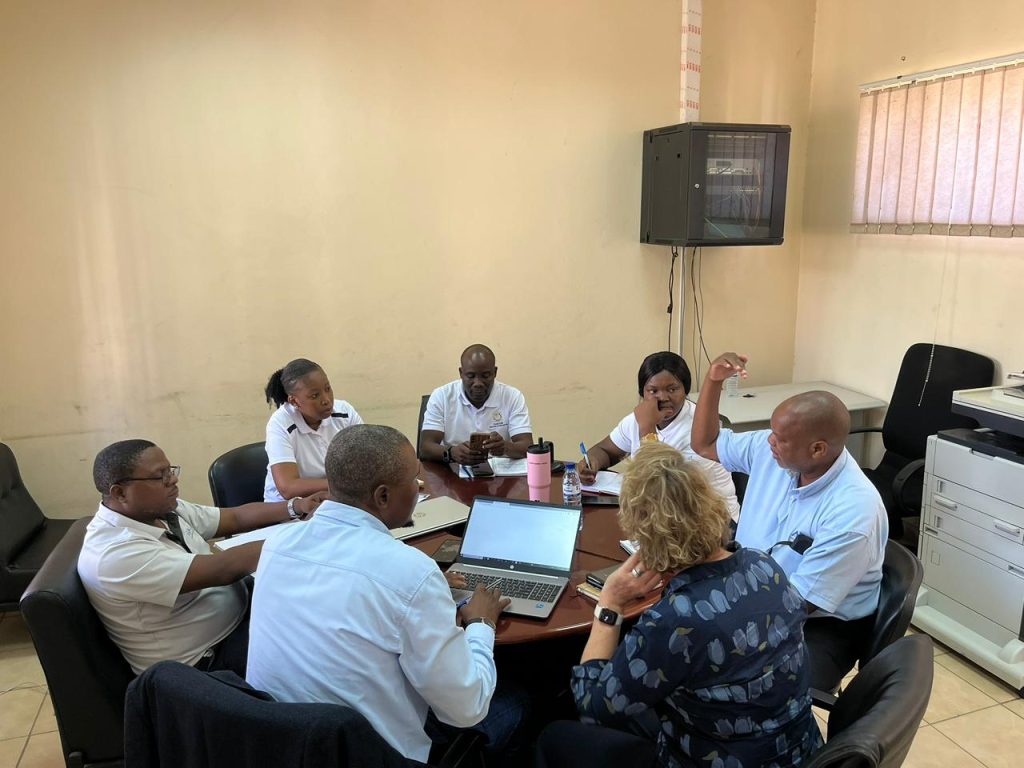
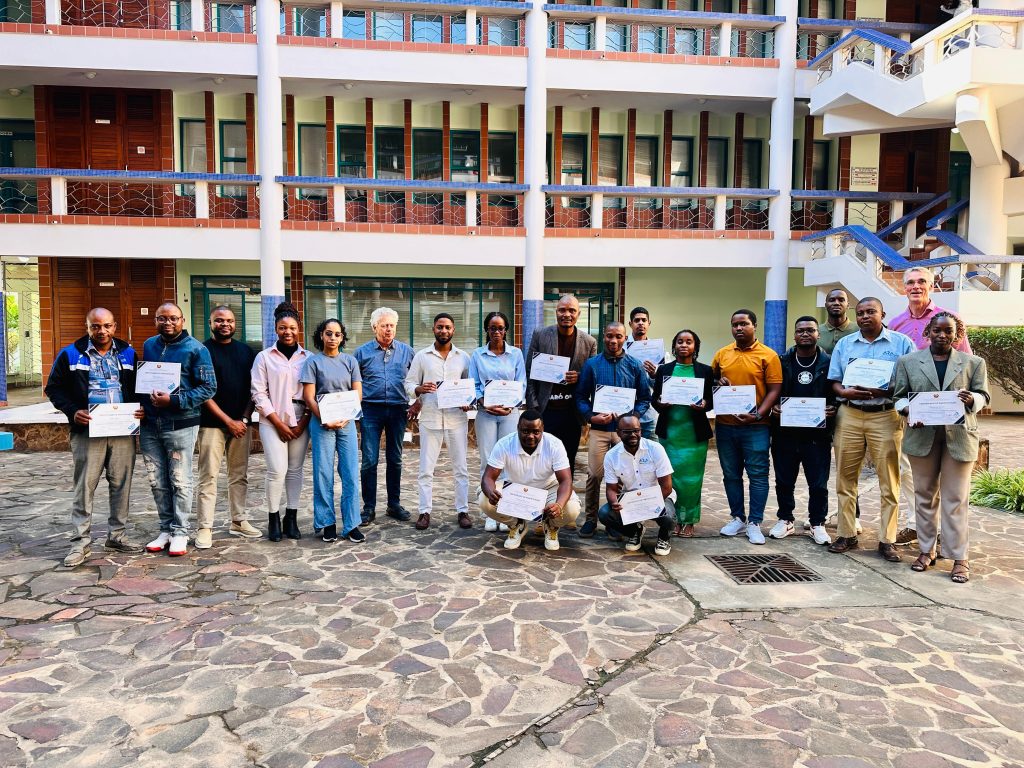
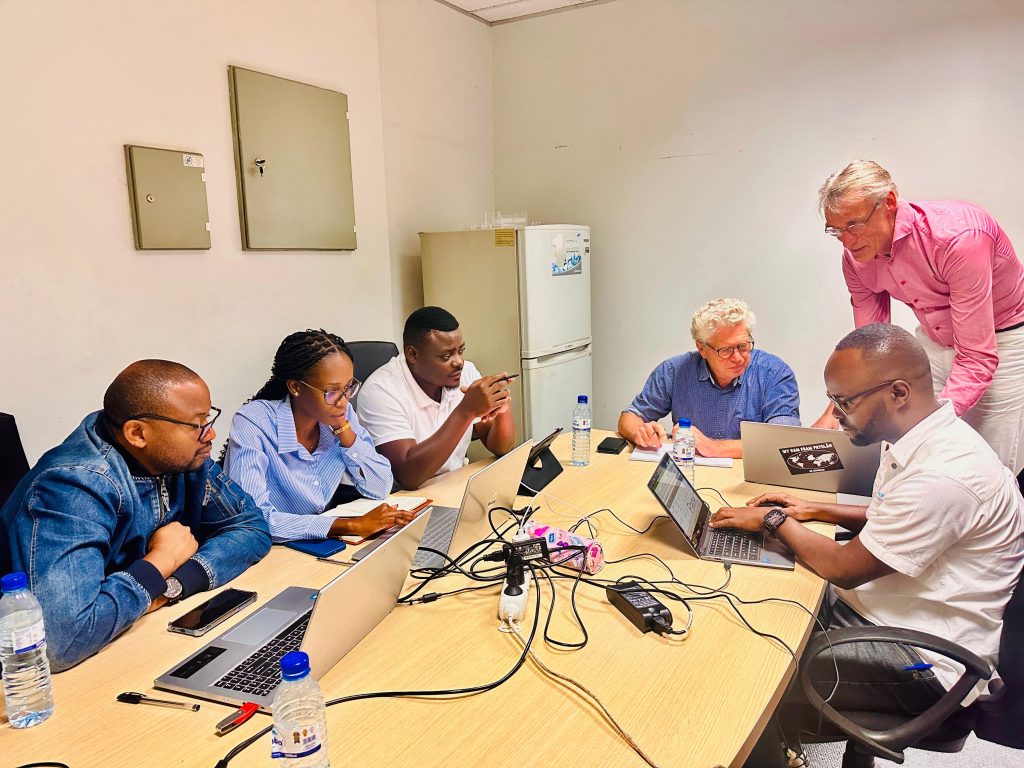
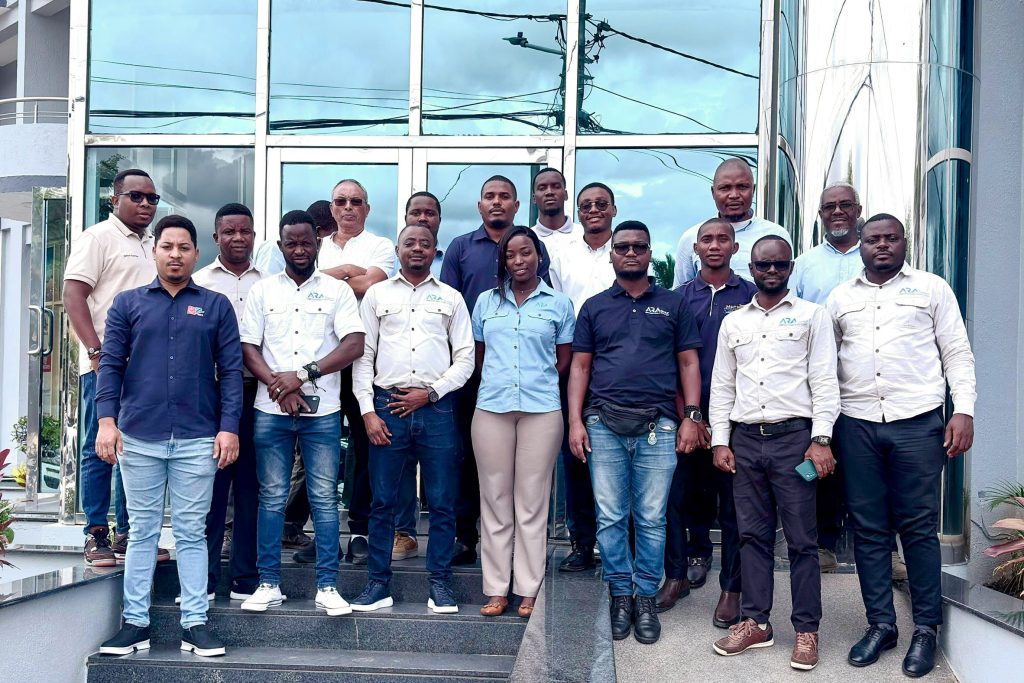
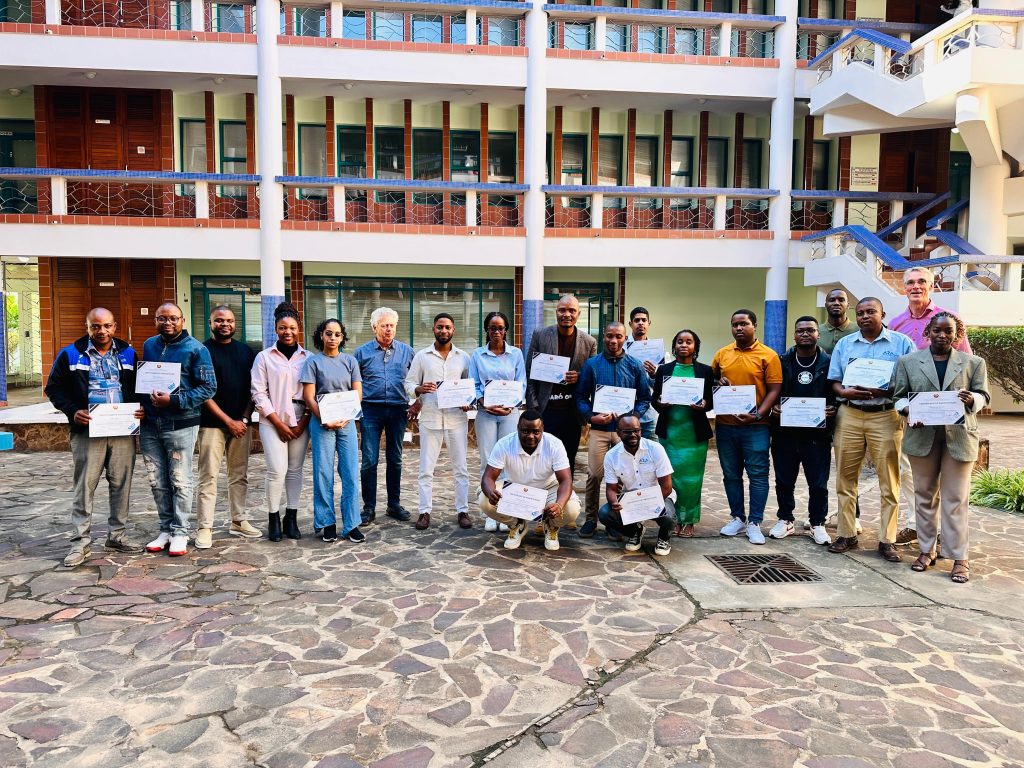
In November, the Mozambican regional water authorities (ARAs) successfully completed the third and final phase of a training programme on dike management, alongside representatives from the National Directorate of Water Resources Management (DNGRH) and the Higher Polytechnic Institute of Songo (ISPS). This training initiative forms part of a long-term collaboration that began with ARA-Sul in 2021 and has since expanded to include other partner organisations under the Blue Deal programme.

Understanding administrative and legal frameworks

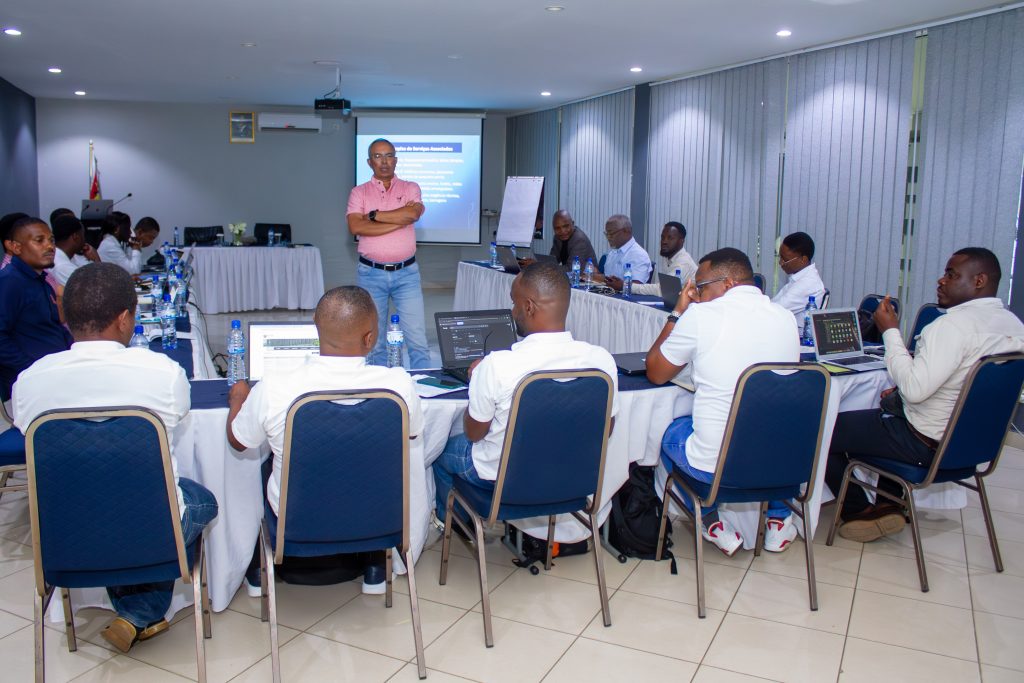
While the previous two phases focused on developing hard engineering skills, this concluding phase focused on the administrative and legal frameworks necessary for project execution.

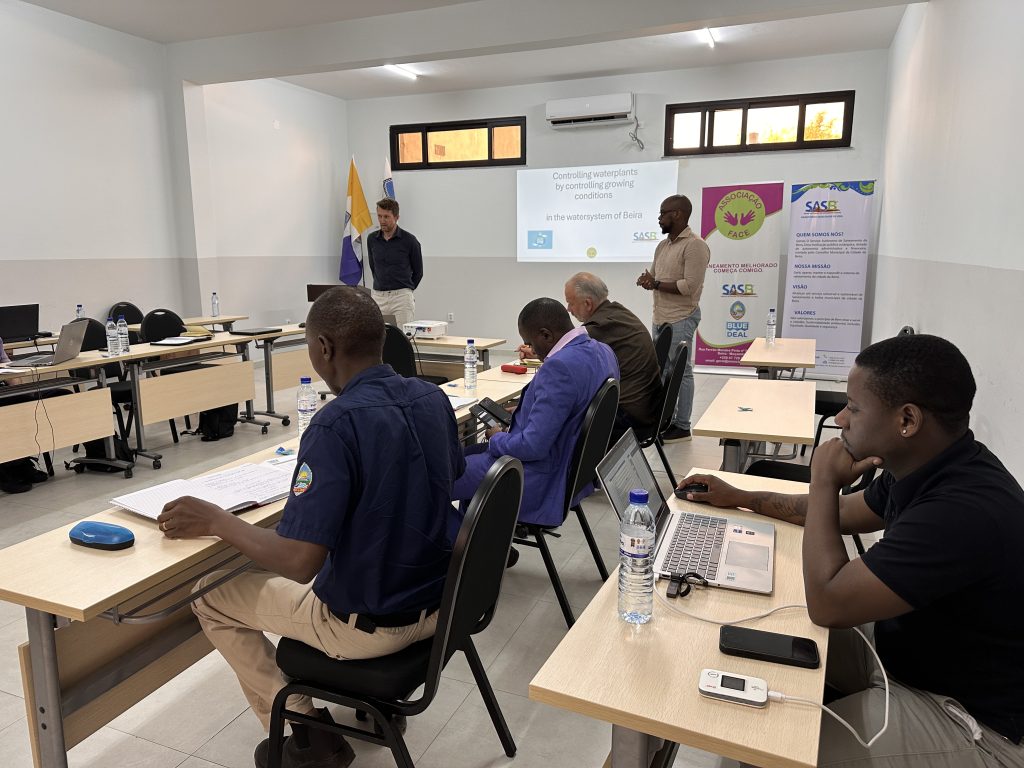
This training course covered the key concepts of the national legislation related to service contracting, cost estimates, and the drafting of terms of reference. This approach ensures that Mozambican technicians are able to design dikes and also manage the procurement processes required for their construction.

Building on practical skills

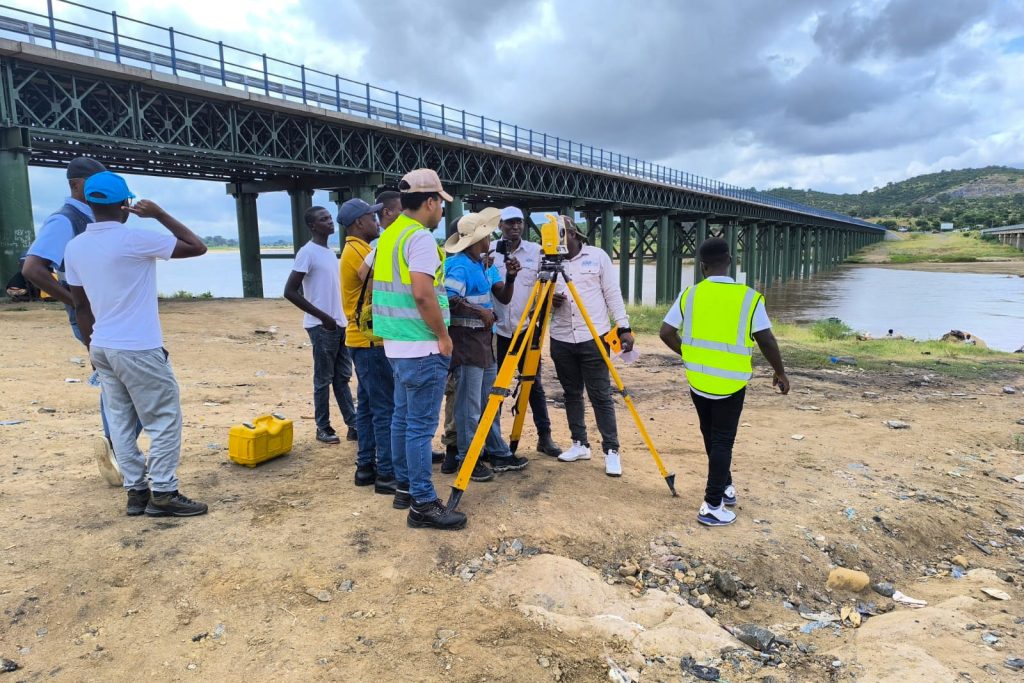
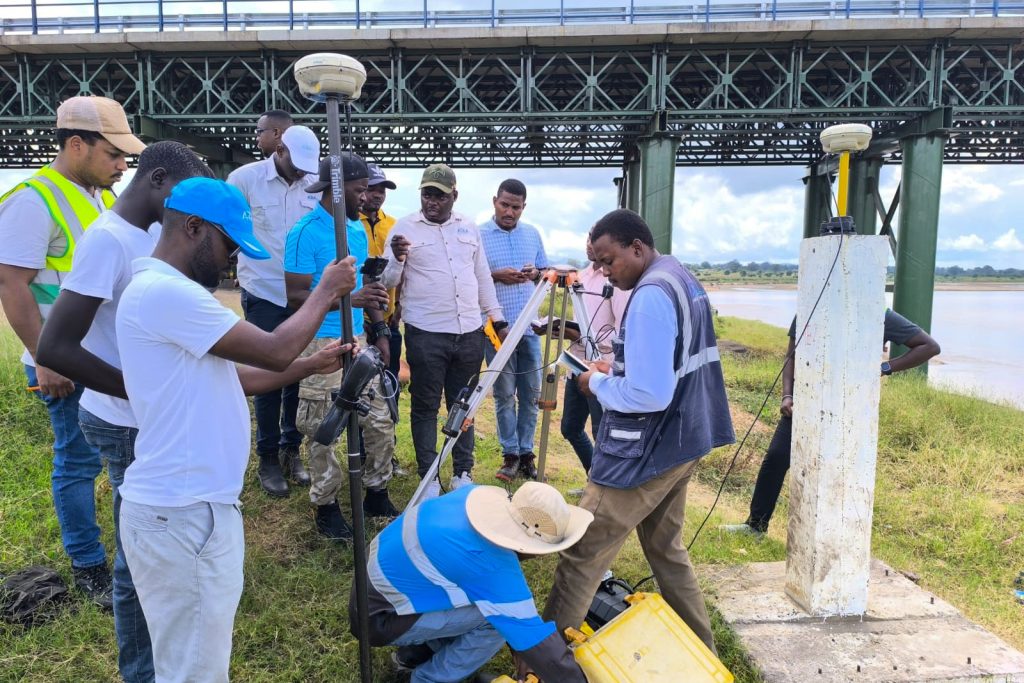
The training in Nampula followed the technical foundation that was established earlier this year. In April, the second phase of the training took place in Tete, with a focus on geotechnical and topographic skills.

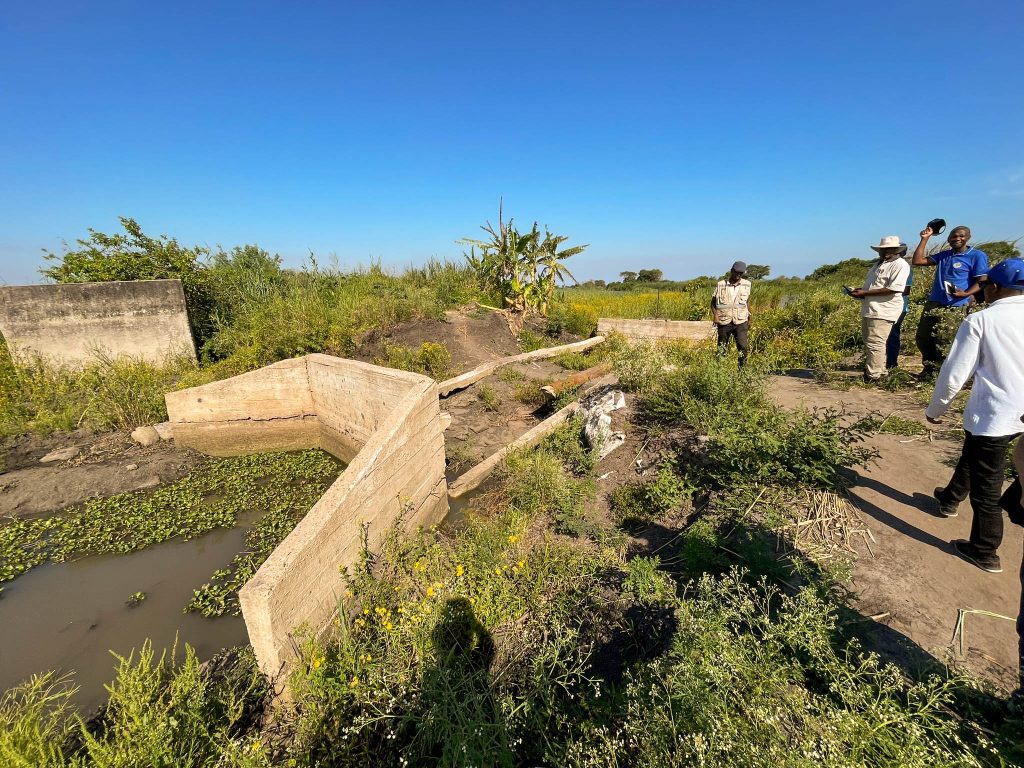
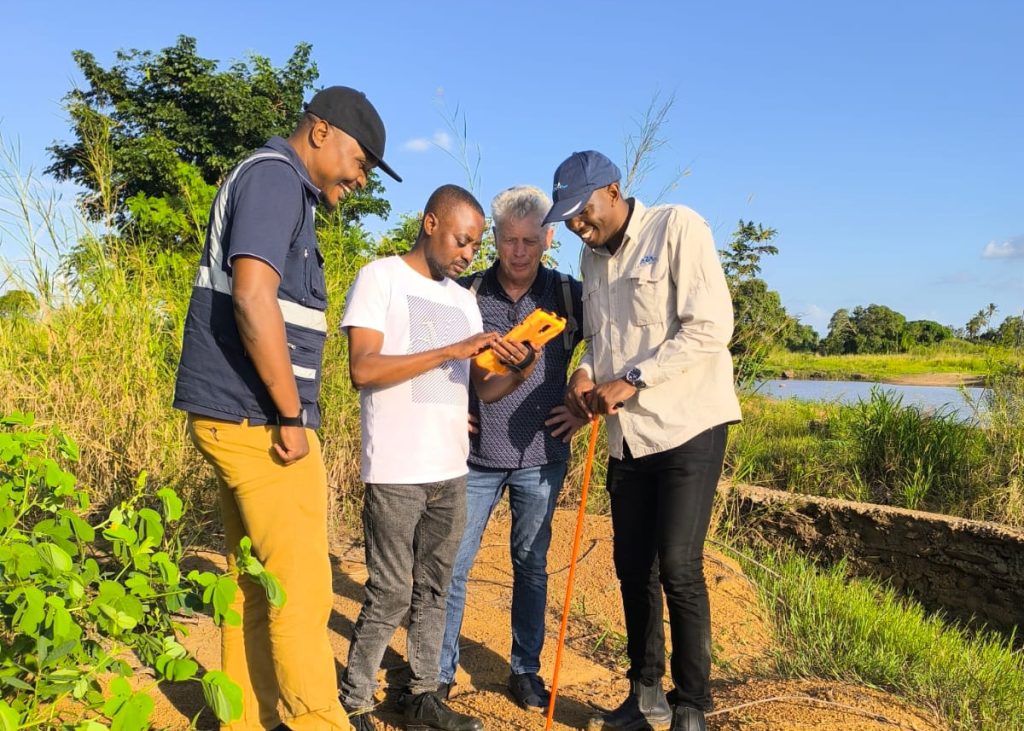
During that phase, participants engaged in fieldwork, including topographic surveying, volumetric processing, among other tasks. These field activities were complemented by laboratory demonstrations of essential soil testing methods, providing the technicians with the practical data analysis skills necessary for diagnosing dike stability.

From training to implementation

With the training cycle now complete, the focus has now shifted to practical application. With support from the Blue Deal, the three ARAs have already conducted visual inspections of some dike systems to identify critical vulnerabilities.

Currently, the ARAs are implementing a World Bank-funded programme dedicated to repairing major dike systems across the country. As part of this effort, ARA-Sul is collaborating closely with the Dutch Water Authorities (DWA) experts. Together, they are revising the rehabilitation projects to ensure that the proposed engineering solutions comply with safety standards and offer long-term protection against flooding.

Share this article

Blue Deal Partnership in Mozambique meets in Maputo to plan its future direction

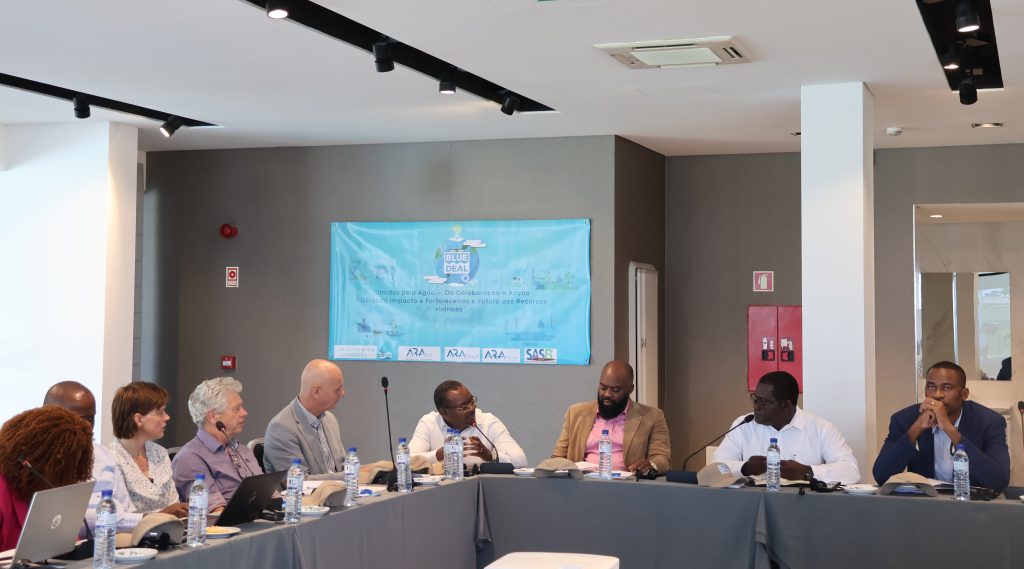
In November of this year, the Blue Deal Partnership held a strategic meeting in Maputo to analyse the programme's new organisational structure and discuss the 2026 annual plan. This meeting was a continuation of the consultation process that began in the middle of the year regarding the programme's restructuring and improvement of its efficiency.

A new organisational setup

During the meeting, the partnership reviewed a new organisational structure designed to work on specific “tracks”. The aim of this reorganisation is to make the focus clearer, improve the alignment between all partners, and optimise how activities are coordinated in the future.

The 2026 annual plan

A preliminary version of the 2026 plan was presented and discussed. Under the new "tracks" framework, most of the activities proposed for the upcoming year are direct continuations of initiatives started by the partnership in previous years.

Partnership introspection and cooperation

The partnership meeting served as a moment of reflection on the program's results. It was agreed that the component leaders ( DWA representatives) will continue to work closely with the Mozambican water management entities to identify areas of success and areas for improvement within the programme.

The meeting also provided an opportunity to strengthen the ties between the Blue Deal and other Dutch interventions in water resources management in Mozambique.

Mr Ivo Van Haren, the representative from the Embassy of the Netherlands, attended the meeting and provided an update on the planned actions of the Dutch Commission for Environmental Assessment (NCEA) in Mozambique. This was an important announcement for the water sector, as some of the Commission's actions aim to improve environmental impact assessments and reduce pollution at the Chicamba dam caused by gold mining — an issue that the Blue Deal partnership has been addressing for a few years.

Ensuring Regular Dialogue

The partnership meeting in November reinforced the need for constant consultation with local partners in order to assess progress, gather suggestions for improvement, and ensure better implementation of the programme.

The Blue Deal programme organises these partnership meetings regularly to ensure transparency and consistent progress. The event in November follows one held in June of this year. Further strategic meetings are planned for the upcoming year to monitor the implementation of activities scheduled for 2026.

Share this article

Blue Deal Programme Office visits Beira and Maputo to collaborate with SASB and participate in the 8th REMCO conference

A delegation from the Blue Deal Program Office in The Hague and Dutch Water Authorities (DWA) visited Mozambique last November. The team, comprising Marieke van Nood (Blue Deal Programme Director), Martin Bos (Blue Deal Mozambique Partnership Director), Jan den Besten (Hunze en Aas), and Ytzen Faber (Wetterskip Fryslan), went to Beira to see how working with the Autonomous Sanitation Service of Beira (SASB) was going and to take part in the REMCO Conference, where important discussions about transboundary water management took place.

Partnering with SASB for financial sustainability

A part of the mission in Beira focused on discussing the financial future of the SASB. The discussion covered a wide array of topics in this regard, such as the increase in operational costs as new infrastructure becomes operational, the strong push towards professionalisation through good governance and the establishment of a new regulatory framework. These are just a few of the actions that would lead SASB in becoming a sustainable company.

Decentralizing the sanitation chain

The Blue Deal, DWA, and SASB teams also looked at the really important issue of decentralised sanitation in Beira.

A survey done in May 2025 showed that 65% of sludge lacks proper treatment.

To combat this environmental and health hazard, the partnership is launching a subsidy pilot project (by the FACE Association). The plan is to improve the sanitation chain by giving the city residents a reason to properly empty latrine pits and make sure the sludge is put in the right places, which are run by SASB.

Canal cleaning and infrastructure expansion

Flood prevention remains a top priority for the city of Beira, and currently 20-metre-wide canals are being constructed to improve the city's drainage.

At the SASB premises, the delegation planned the yearly drainage canal cleaning operation. The Blue Deal has been providing support to SASB (and FACE) on this matter for a few years and will continue to do so.

During the visit in November, the team explored alternative solutions to combat the rapid regrowth of vegetation, including the possibilities of using a mowing boat for the maintenance of the (new) retention basins and possibly also for the wider canals.

REMCO 2025

The mission concluded in Maputo with the REMCO 2025 conference, held from November 3 to 7.

As is customary, this year's conference – hosted by ARA Sul,IP and supported by three Blue Deal partnerships (Mozambique, South Africa and Eswatini) – focused on transboundary water management cooperation between these three countries.

Approximately 200 attendees were present, including representatives from the Blue Deal Office at Hague and Blue Deal delegations from Ethiopia, Mozambique, Eswatini, South Africa, Germany and partner organisations in the field of water management.

The Mozambican partnership was represented at the event by the aforementioned DWA representatives and Marijke Jaarsma (Waterschap Vallei en Veluwe), who moderated two sessions: one on digital cooperation among riparian states and one on the Blue Deal programme and African partnerships.

The conference concluded with a field visit, during which participants had the opportunity to learn more about the efforts of REPENSAR, an organisation developing several environmental conservation actions in the Maputo Basin.

***

The mission effectively connected operational improvements on the ground in Beira with high-level strategic discussions in Maputo.

The visit to Beira and Maputo provided a valuable opportunity for key personnel to meet in person and share their wide-ranging experiences. From the programme director to representatives from the Blue Deal partnerships and other entities, both cities were viewed as places offering valuable and memorable experience.

Share this article

Integrating local voices in land use planning and flood risks management in the Licungo river basin

The Licungo river basin in Zambézia Province is a region of concern due to its high flood risk. To address this issue, the Blue Deal programme — a long-term partnership between the Dutch and Mozambican water authorities — organised a meeting with stakeholders in the village of Maganja da Costa in October. This meeting aimed to reduce the region's vulnerability to flooding by aligning technical expertise with local requirements and encouraging participatory land use planning.

Shared responsibility as key to combatting flood risks

The meeting in Maganja da Costa was an important step forward in discussing water and land use management in the region. Led by the General Director of ARA-Norte and the District Administrator of Maganja da Costa, the primary goal of the meeting was to sensitize the four key actors - central and local government authorities, private sector users, civil society, and local communities - about their shared responsibility in this matter.

During the meeting, Jan Den Besten, a representative of the Dutch Water Authorities ( DWA), shared the Netherlands' experience in managing land use and flood risks. Despite the differences in climate, geomorphology and other factors between these two countries, this insight will allow ARA Norte and its key stakeholders to develop an effective strategy for planning and coordinating activities in this flood-prone area.

This occasion equally presented an opportunity to start shifting from a reactive disaster response to a proactive approach based on current and future scenarios.

Incorporating data into decision-making

A key moment from the Maganja da Costa meeting was the presentation of new flood risk maps for the Licungo river basin. These critical tools are the direct result of technical capacity building within the Blue Deal programme in Mozambique.

The maps were developed following a specialised training course that ARA-Norte technicians received from their ARA-Centro,IP. This knowledge transfer enabled ARA-Norte professionals to start using advanced platforms to model flood risks more precisely.

These maps are essential instruments for land use planning, as they provide data that, when combined with land use plans, will allow stakeholders to identify “no-build” zones and safe areas for agricultural activities in the Licungo river basin.

The development of these technical capacities directly supports the implementation of Mozambique’s land law, ensuring that land use and benefit rights (DUATs) are granted in accordance with hydrological conditions and preventing the establishment of settlements in areas at high risk of flooding.

Reactivation of the Nante Dike Committee

During the same meeting at Maganja da Costa, the proposal to reactivate the Management Committee for the Nante Dike was also discussed. This infrastructure is vital for protecting the local communities and plantations in Nante Village from the floodwaters of the Licungo river. However, maintaining it requires social mobilisation.

Based on a participatory management model, the new committee structure has been designed to ensure representation from each of the four distinct stakeholder groups. This ensures that the maintenance of the dike is seen as a collective responsibility, not just a government burden.

By engaging the private sector and residents, the committee aims to ensure regular monitoring of the dike's structural integrity and to coordinate rapid mobilisation during the rainy season, ensuring that the flood defences are maintained by a vigilant and organized community.

***

Through the combination of flood risks mapping and social endorsement from local stakeholder committees, ARA-Norte has been working to establish a robust flood risk reduction system. The Blue Deal will continue to work closely with ARA-Norte and the other ARAs on these initiatives.

Share this article

ARAs and DNGRH introduce new tools for floods mapping and forecasting

As part of the ongoing Blue Deal partnership, water authorities in Mozambique are gaining access to advanced tools and developing a strong network of expertise on flood risk management. This commitment has been demonstrated through two significant activities this year: a training session on flood risk mapping and the implementation of a new forecasting system.

Development of flood risk maps for flood-prone basins across the country

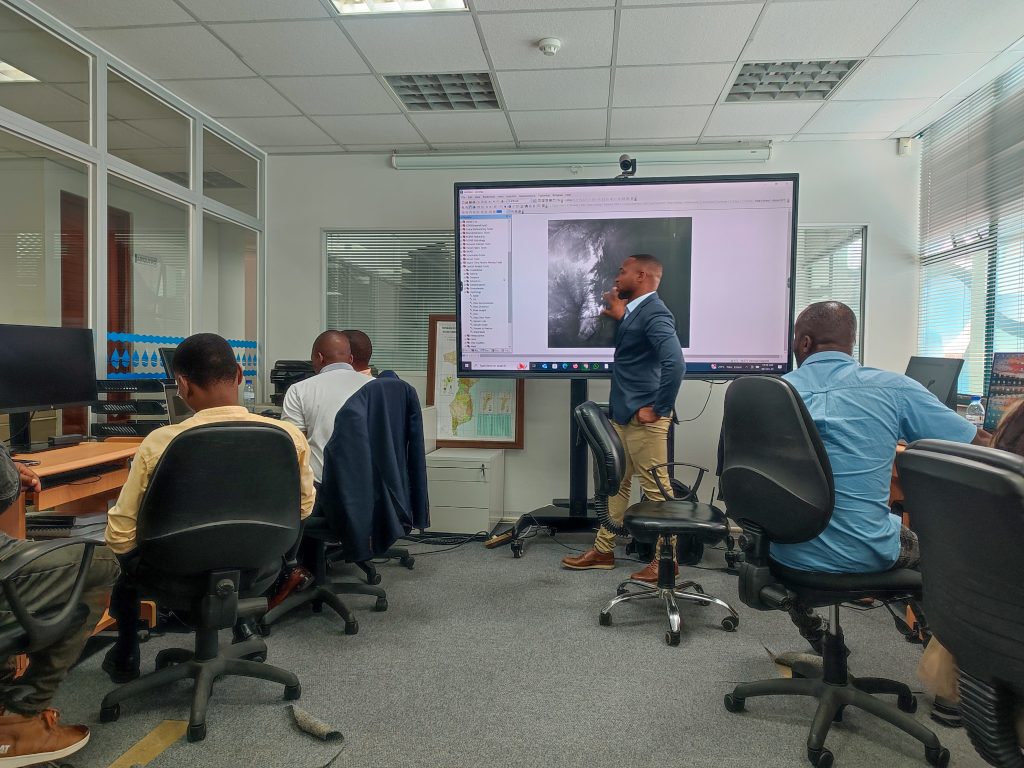
In October, a training session in Maputo marked a significant milestone for the "Train the Trainer" initiative within the Blue Deal. Celso Muima and António Melembe, experts from ARA-Centro,IP (Pungue division), led a two-day training course about the development of flood risk maps using satellite images for professionals from the National Directorate of Water Resources Management (DNGRH ) and ARA-Sul.

This action reinforces the continuous cycle of knowledge sharing between the Mozambican water authorities. Having previously trained colleagues from ARA-Centro in 2023 and ARA-Norte in 2024, the same facilitators have passed on this vital expertise to colleagues in southern Mozambique.

The four entities responsible for water management in Mozambique can now work together to develop flood risk maps and make data-driven decisions across the catchments they manage. ARA-Centro began this work in 2023, developing flood maps for the Buzi and Pungue river basins with support from the BUPUSA project. In 2024, ARA-Norte began developing flood maps for the Licungo river basin. ARA-Sul will start developing flood maps for the Umbeluzi river basin.

Supporting the implementation of the BUPUSA-FEWS system

As part of the partnership's training initiatives, the Blue Deal and the BUPUSA Commission also organised a technical workshop at the DNGRH in April of this year. The primary goal was the installation, commissioning, and user training for the BUPUSA-FEWS – an Early Warning System for Floods based on the Delft-FEWS platform for the Buzi, Pungue and Save (BUPUSA) river basins. The workshop was attended by technicians from Mozambique and Zimbabwe.

The ability to run live simulations and manage real-time data significantly improves the BUPUSA-FEWS system's capacity to predict floods and mitigate flood-related risks for communities in both countries. This further strengthens regional efforts to improve transboundary cooperation.

Looking Ahead

The progress in knowledge sharing activities and the operational integration of the BUPUSA-FEWS system underscore an ongoing commitment to strengthening Mozambique's water management network. The Blue Deal will continue to follow these developments closely as all ARAs develop their flood maps and standardised forecasting models are further refined under the BUPUSA project.

Share this article

Mozambican and Dutch water experts work together to improve dikes management and water conservation

Effective water management is a global challenge that requires a combination of local expertise and international cooperation. In Mozambique, a country that is vulnerable to both floods and droughts, strengthening the technical capacity of water boards and communities is key to finding a solution to these issues.

As part of the Blue Deal programme in Mozambique, two vital Communities of Practice (CoPs) have been meeting regularly to exchange knowledge and develop skills in water conservation and dike management. This year, the two CoPs, comprising professionals from ARA-Sul,IP, ARA-Centro,IP, ARA-Norte,IP, DNGRH and ISPS , came together for two important occasions: a collaborative meeting in Tete and a working visit to the Netherlands.

From online meetings to gaining on-the-ground knowledge

Early in April, the combined CoPs held a three-day working session in Tete, focusing mostly on the practical realities of water conservation infrastructure in Mozambique.

The sessions were dominated by the experiences of ISPS in building sand dams and the “10,000 Small Dams” initiative of the Mozambican government, which is being implemented by the three ARAs.

The CoPs brainstormed strategies to standardise the development of these small dams and reservoirs, emphasising that these structures cannot be built in isolation. Previous construction projects have shown that strong local community involvement, particularly from women, is important at every stage - from site selection to maintenance. This ensures that these structures meet real needs and have a long lifespan.

Tasks such as creating a centralised database of small dams, developing construction manuals, and organizing training programmes for the local committees responsible for maintaining these structures, among other things, were established as priorities by the CoPs at the end of this meeting.

This collaborative work, alongside previous dike management and water conservation actions under the Blue Deal partnership in Mozambique, culminated in members of the CoPs visiting the Netherlands in June to learn more about water management in practical terms.

Learning from Dutch Water Experts

In June, a delegation of Mozambican water professionals visited the Netherlands. The aim of the visit was to learn how a country that is known for laying below sea level manages its flood defences and water retention.

The visit was an eye-opener regarding dike management. The Mozambican team was particularly impressed by the Dutch institutional model. They found out that, unlike in Mozambique, where maintenance is sometimes outsourced or non-existent, the Dutch Water Authorities  often have dedicated in-house units with their own equipment and personnel. Furthermore, the concept of “beneficiary contribution”, whereby all residents pay a tax specifically for dike maintenance, sparked discussions on how similar financial mechanisms could be adapted in Mozambique.

From a technical perspective, the delegation visited the renowned Dutch sea dikes, where the use of specific vegetation and sheep grazing as a cost-effective, nature-based solution for maintaining grass cover on the slopes, was particularly impressive. The team also received training in using drones for cross-sectional profiling and volume calculations. This is an essential skill for modernising the way Mozambique monitors its dikes.

In terms of water conservation, the group explored techniques to increase groundwater infiltration and reduce surface runoff. The programme also included visits to pumping stations, ecological restoration projects and the “Baakse Beek”, with the aim of finding out how the Netherlands manages water availability during periods of drought, which is an increasingly important issue even in its humid climate.

Looking Ahead

The combination of the Tete meeting and the interchange in the Netherlands outlined a clear path for the coming years.

All Mozambican partners returned with concrete action plans, including establishing dike maintenance units, mapping beneficiaries for potential co-funding, developing annual bulletins about dike conditions, creating a national database of dikes and small dams, and fostering scientific research on these structures, among other things.

The Blue Deal partnership in Mozambique will continue to collaborate closely with these organisations as these actions are carried out through the coming years.

Share this article

Mozambican water authorities move from training to field inspections of critical dike systems

Through the Blue Deal partnership, the Dutch Water Authorities have actively supported Mozambique's regional water authorities in improving dike management practices. This cooperation has included technical training on dike design, construction and repair, and the introduction of tools for visual dike inspection and monitoring. Based on this work, the partnership has moved on to field inspections of selected dike systems. This work started with ARA-Sul,IP and was recently extended to ARA-Centro,IP and ARA-Norte,IP, marking an important step in strengthening Mozambique's flood protection infrastructure.

Visual inspection of two major flood protection systems

In October 2024, ARA Norte,IP conducted a visual inspection of the dike of Nante, while ARA Centro,IP carried out a similar work on the dike of Luabo in March this year. Both assessments confirmed a significant deterioration in the structural condition of these flood defence systems, which requires urgent intervention.

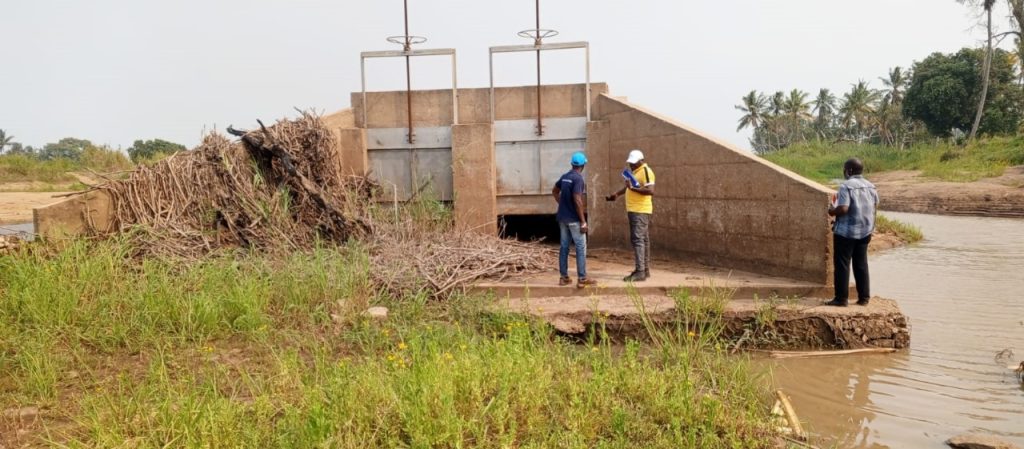
ARA Norte’s inspection revealed widespread issues in the 19-kilometre dike of Nante, including severe erosion, deep cracks, collapsed sections, and malfunctioning hydraulic structures. On the other hand, ARA Centro’s inspection of the 64-kilometre dike of Luabo also revealed serious structural weaknesses, including cracks and gullies, excessive vegetation and large trees on the dike, buildings on top of the dike and the presence of other risky human activities.

Repeated failures due to lack of maintenance

The latest findings confirm that inadequate maintenance has left these structures vulnerable. Despite previous rehabilitation attempts, key segments of Nante’s dike continue to fail during major weather events, leaving surrounding communities and agricultural lands at risk, as past floods in 2015, 2019, and 2022 have shown.

The dike of Luabo is in an even worse state. This dike was originally built to protect the village of Luabo and the sugarcane fields nearby. However, it has not undergone any maintenance since the local sugar factory closed more than 15 years ago.

Moving forward to address the structural issues

Following these inspections, both ARAs will develop maintenance plans for these dike systems, with support from DWA dike experts. The reconstruction of the dike of Nante will begin in the near future. The financial support for this work has been secured by ARA Norte,IP as part of a programme funded by the World Bank. On the other hand, ARA Centro,IP has no clear preparations for the reconstruction of the Luabo dike.

Next steps and strategic Importance

Dike systems play a vital role in safeguarding livelihoods and reducing flood risks. These inspections are part of a coordinated strategy to increase Mozambique’s resilience to climate change by strengthening key infrastructure. The Blue Deal partnership will continue working with the ARAs and the National Directorate of Water Resources in developing practical solutions for inspecting and monitoring dike systems, developing maintenance plans, and providing advice, as needed, in large-scale interventions from other initiatives.

More about component 4

Dike training and visual inspections are an essential part of the Blue Deal's flood risk management component in Mozambique. This component is also working on other issues such as the involvement of communities in the operation and maintenance of dikes, the development of flood risk maps, the development and use of hydrological models, land use planning and flood risks, among others. 

Share this article

Dutch Water Authorities Train Mozambican ARAs in Flood Prevention

One of the critical areas addressed by the Blue Deal Partnership in Mozambique is flood protection.

With an increase in severe weather events, dike systems are essential in Mozambique's battle against flood damage. Through training, technology, and collaborative effort, Mozambique's Water Management Agencies (ARAs) are gradually improving their ability to manage dike systems and protect communities against flooding.

Building Capacity and Introducing New Tools

Since Phase 1, the Blue Deal partnership has been addressing flood prevention topics in Mozambique. By the end of Phase 1 (2019 - 2022), there was a growing interest within Mozambique's Regional Water Authorities (ARAs) and the National Directorate for Water Resources Management (DNGRH) to improve the capacity of these organisations to design and manage dike systems.

In Phase 1, Dutch Water Authorities DWA dike experts conducted a dike management training for ARA-Sul and introduced a GIS-based dike inspection software(QField).Armed with new knowledge and technology, ARA-Sul inspected the dikes along the Limpopo and Incomati rivers. These inspections revealed many issues, including erosion, unauthorised construction, overgrown vegetation, and structural wear. These findings underlined the need for meticulous rehabilitation and maintenance plans to ensure the continued safety of these dikes.

Using QGIS, ARA Sul processed the dike inspection data collected and created detailed maps that were later used to develop a management plan for these dike systems.

Expanding Training Across Regions

The work developed with ARA Sul proved to be important for the other ARAs. As the need for robust dike management became apparent, the Blue Deal initiative extended its training programmes to ARA-Centro,IP and ARA-Norte,IP.

Last year, the three ARAs and the DNGRH started discussing collectively strategies for dike maintenance, best practices for dike design, and dike regulations.

In May 2024, two training in dike management were organized for ARA Centro and ARA Norte. The first training consisted of a one-week introduction to dike design and rehabilitation, led by Tecnica Engenheiros Consultores,Lda - a Mozambican consultancy firm. The second training consisted of practical training in dike inspection and data processing, conducted by DWA dike experts.

A call for urgent actions

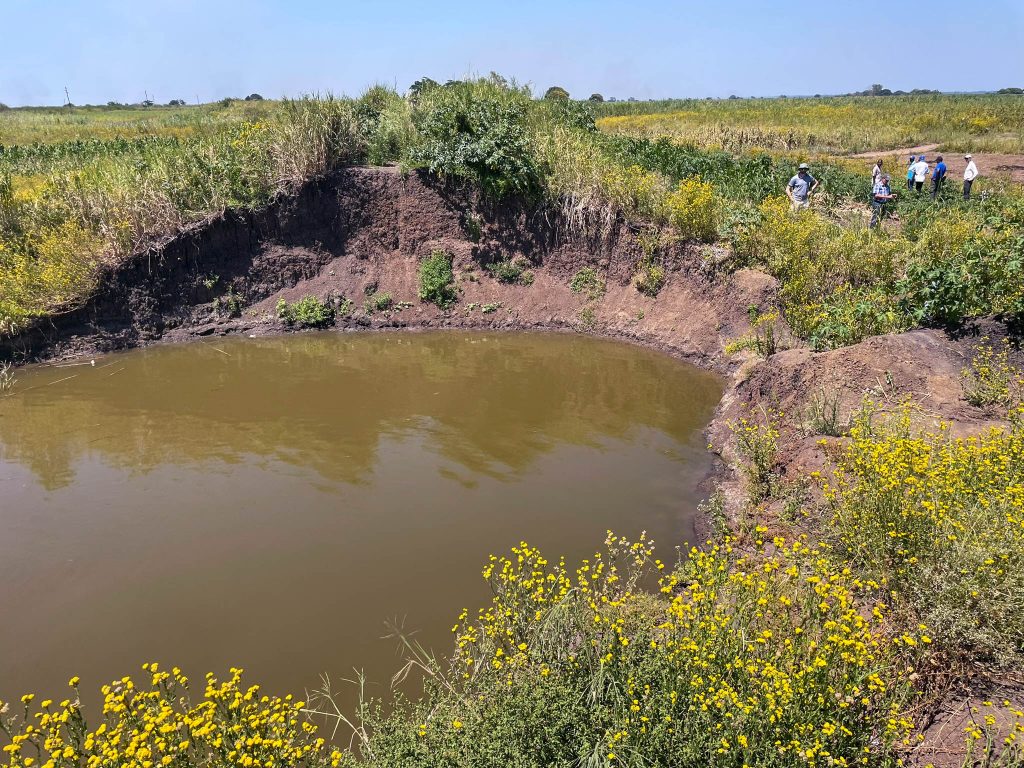
The two training organized this year were a blend of theory and practical field visits. The team visited the Nante dike system along the Licungo River to practice dike inspection in the field. They also visited a dike breach near an irrigation pumping station (Muziva). The breaches in this last dike and other dike systems in Mozambique highlight that good dike maintenance is urgently needed in the country.

Collaborative Efforts and Knowledge Sharing

The training and inspection processes were not only about acquiring new skills but also about sharing experiences and best practices. During this year's training for ARA Norte and ARA Centro, an expert from ARA Sul shared their findings from the 2022 dike inspections along the Limpopo and Incomati rivers. This knowledge transfer is essential as ARA Norte and ARA Centro prepare to inspect their dike systems and develop their management plans.

Share this article

Training on emergency repair of fluvial dikes (component 4)

A training on emergency repair of fluvial dikes took place in Bilene, Gaza Province between 14 and 21 of June 2021.

A consultant from Técnica Engenheiros Consultores prepared and facilitated the training sessions and a topographer, and two lab technicians joined the group for the last 3 days of the training. 13 staff from ARA Sul main office and staff from all basin management units attended the training.

Not all participants were familiar with dike repairs or were involved with hydraulic work on a daily basis. For future activities, it was agreed that a smaller group will be targeted to allow those working daily with dikes and hydraulic works will have a more tailored knowledge transfer.

Share this article

Flood risk map for land use planning

After the cyclone Idai in March 2019, ARA Centro was able to measure the maximum flood levels in the Buzi valley. Resulting in a flood risk map, that shows which areas of the river valley are at risk for such an extreme flood. This map enables necessary discussions about land use planning.

Flood risk management

Flood risk management is part of the Blue Deal project. Proper land use planning in river valleys is a must, to avoid damage by floods. Flood risk maps are crucial for discussions about land use planning.

Measure flood levels

After the extreme flood that was caused by the cyclone Idai in March 2019, flood levels were visible in the landscape of the Buzi valley. With the support of the Blue Deal project, ARA Centro measured these flood levels. A flood risk map emerged. This map shows which areas of the river valley are at risk when such an extreme flood occurs.

Initiate discussions

New discussions about land use in the Buzi Valley will be initiated. All the organizations that are responsible for land use planning, will be involved. The discussions will be based on the flood risk map that is now available.

Share this article