
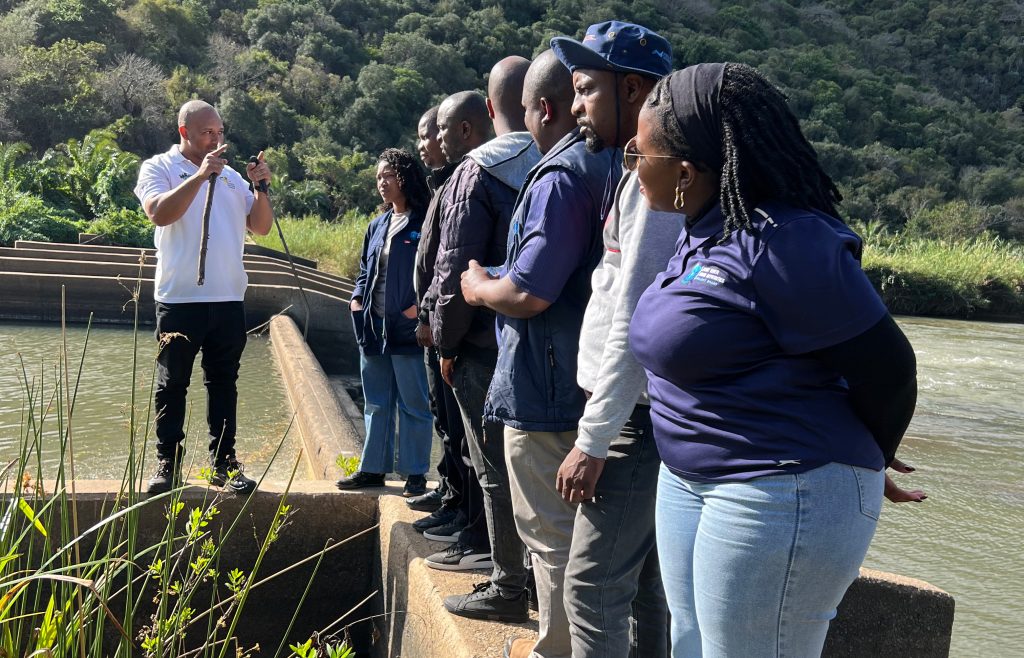
As heavy rainfall in Eswatini can reach Mozambique within hours, the two countries need to exchange data quickly. In July 2026, the second session of the Blue Deal's Community of Practice on Data and Information Management was held at the Lubovane Dam in Eswatini. The aim was to move from identifying problems to implementing a shared roadmap.
Towards real-time flood early warning
In April of this year, the first bilateral session identified several key obstacles between the two countries. These included limited cross-border sharing of hydrological data, incompatible monitoring platforms, different modelling approaches and the state of the hydrometric network in the Umbeluzi/Mbuluzi basin.
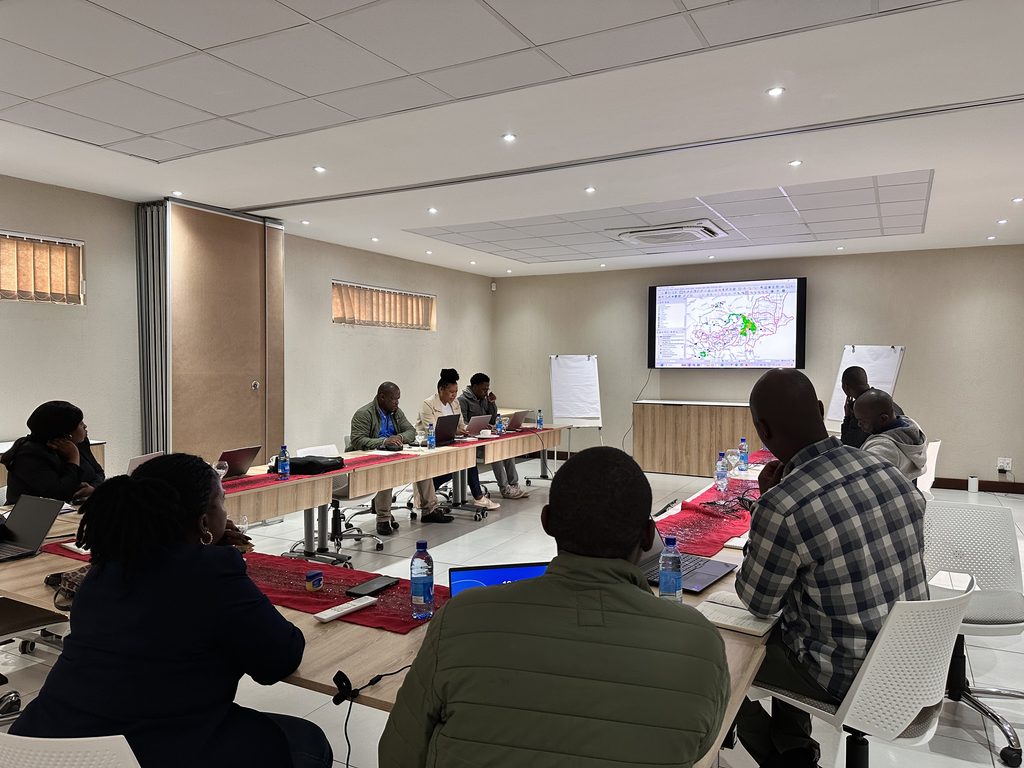
In July, a second session was held in Eswatini with one key objective: the development of a near-real-time flood early warning system with hourly data transmission during alert periods. The Blue Deal facilitated the session again, bringing together specialists from the Joint River Basin Authorities Project Board (JRBA-PB), Eswatini's Department of Water Affairs, ARA-Sul, IP, and the National Directorate of Water Resources Management (DNGRH).
Terms of Reference for cooperation in Phase 2B
The meeting finalised the terms of reference for the Mozambican and Eswatini Blue Deal partnerships' cooperation during Blue Deal Phase 2B (2027–2030), which will guide their joint work. This cooperation will encompass data management, modelling and early warning systems, the rehabilitation of gauging stations in the Mbuluzi basin, standardised data-sharing procedures in both normal and emergency conditions, the utilisation of HydroNET, and the provision of training to technical staff. The delegations also called for joint financing to ensure that activities are not solely dependent on annual institutional budgets.
Tools and field assessment
JRBA-PB presented the WEAP model it is developing for the Umbeluzi basin, and participants validated data on water demand, abstractions and return flows. ARA-Sul presented its HydroMoz dashboards and WE-HARP – tools for data management and water permitting. The partners agreed that ARA-Sul will share its water demand data with JRBA-PB, that the HydroMoz and Eswatini HydroNET dashboards will be aligned, and that a follow-up session on hydrological modelling and WE-HARP training for JRBA-PB staff will be organised.
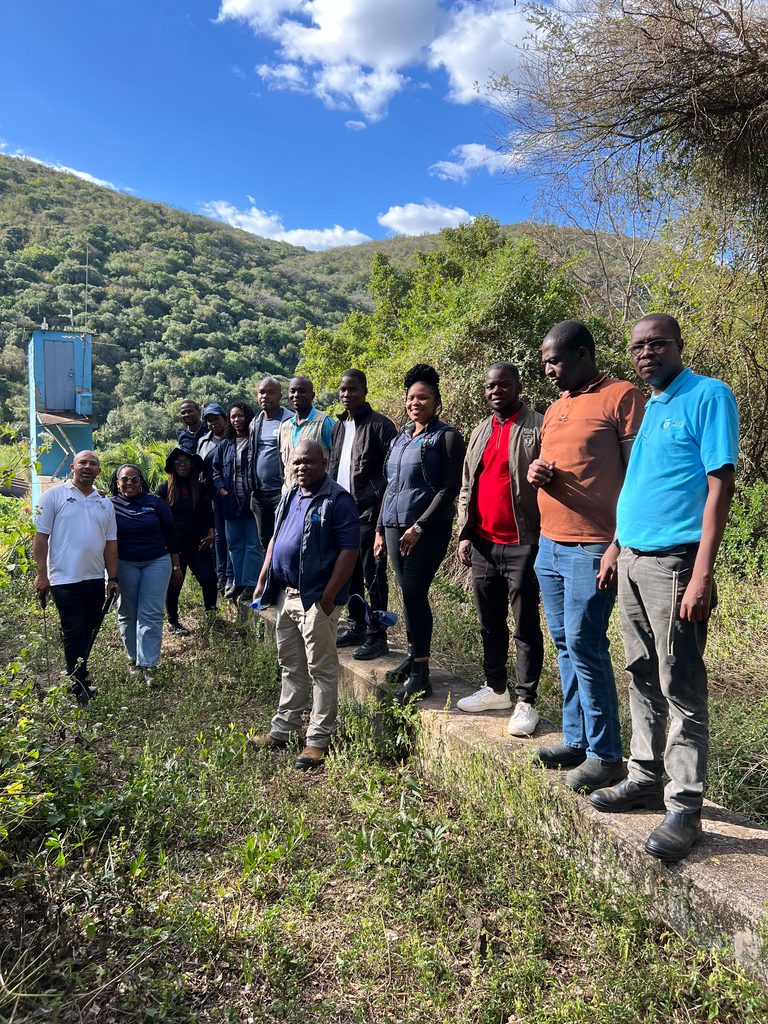
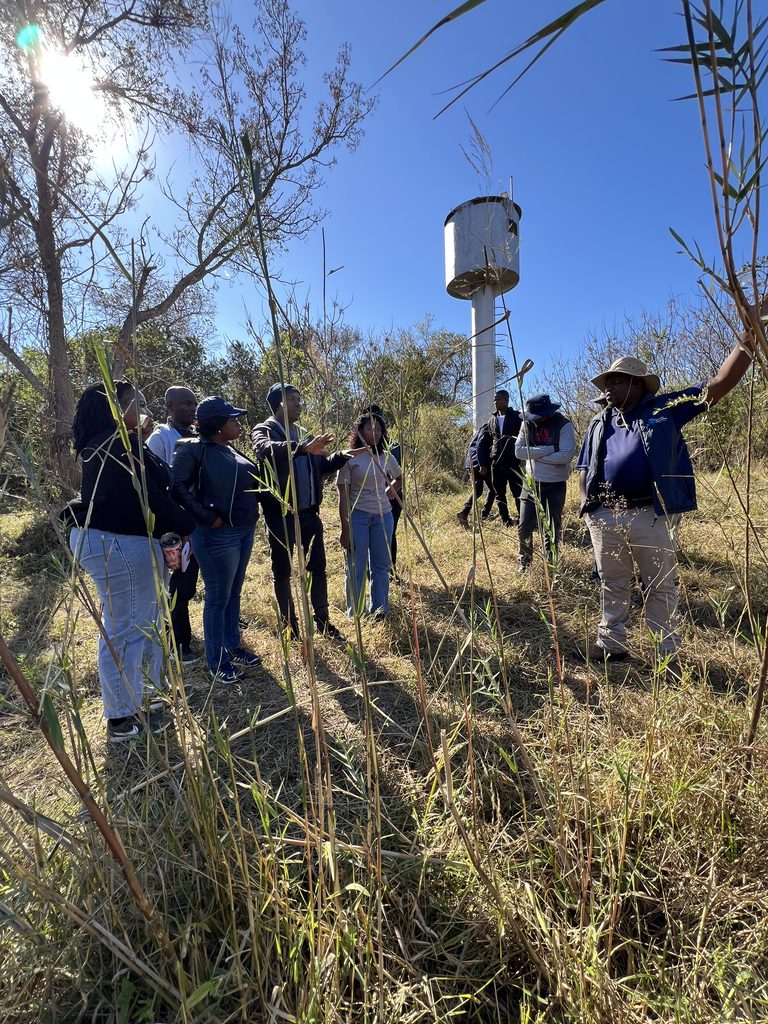
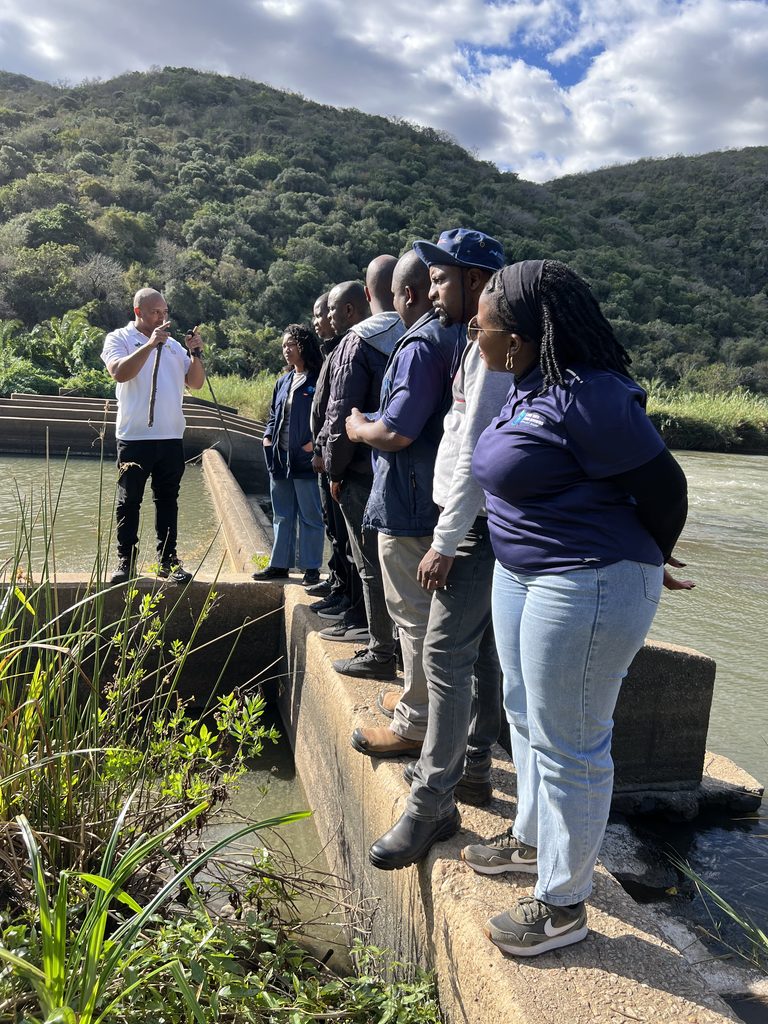
On the last day, the delegation visited priority hydrometric stations in the Mbuluzi basin and the Mijoli Dam. The visits highlighted problems with sedimentation, damaged staff gauges, telemetry that is not operational and difficult access. They also confirmed the priority stations for rehabilitation in both countries. The partners discussed possible funding for this work through the different cooperation programs.
Next steps
The two countries now have a joint roadmap. The Terms of Reference will be submitted to the Community of Practice for validation, and a consolidated workplan for rehabilitating the gauging stations is being prepared.
The Blue Deal will continue to facilitate the process so that, when the next floods come, both countries are working from the same information.


