Component 5

Blue Deal Partnership in Mozambique meets in Maputo to plan its future direction

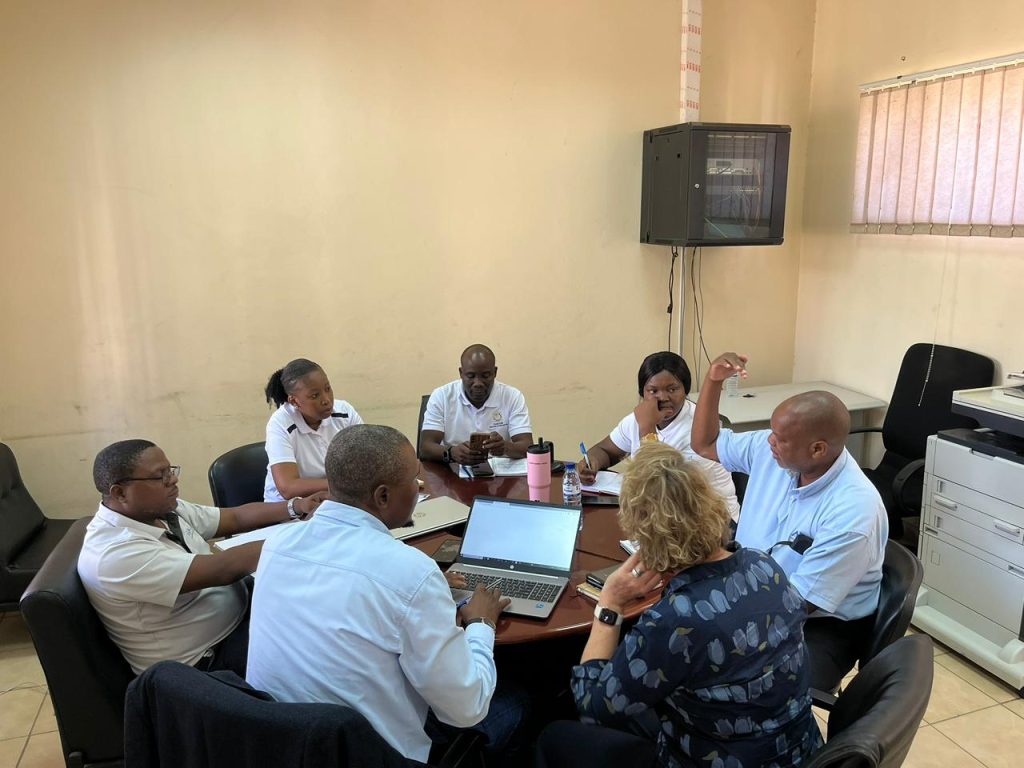
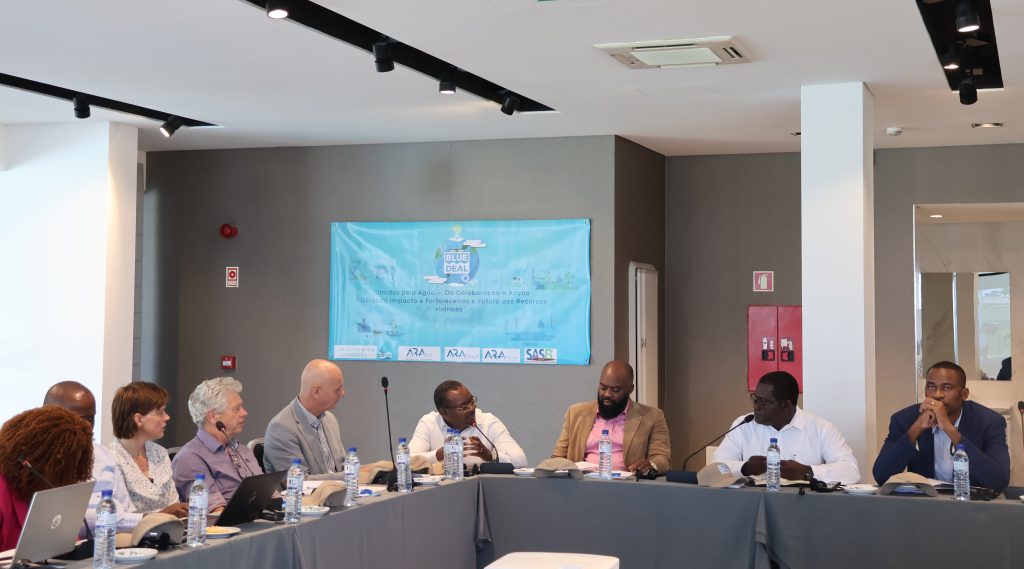
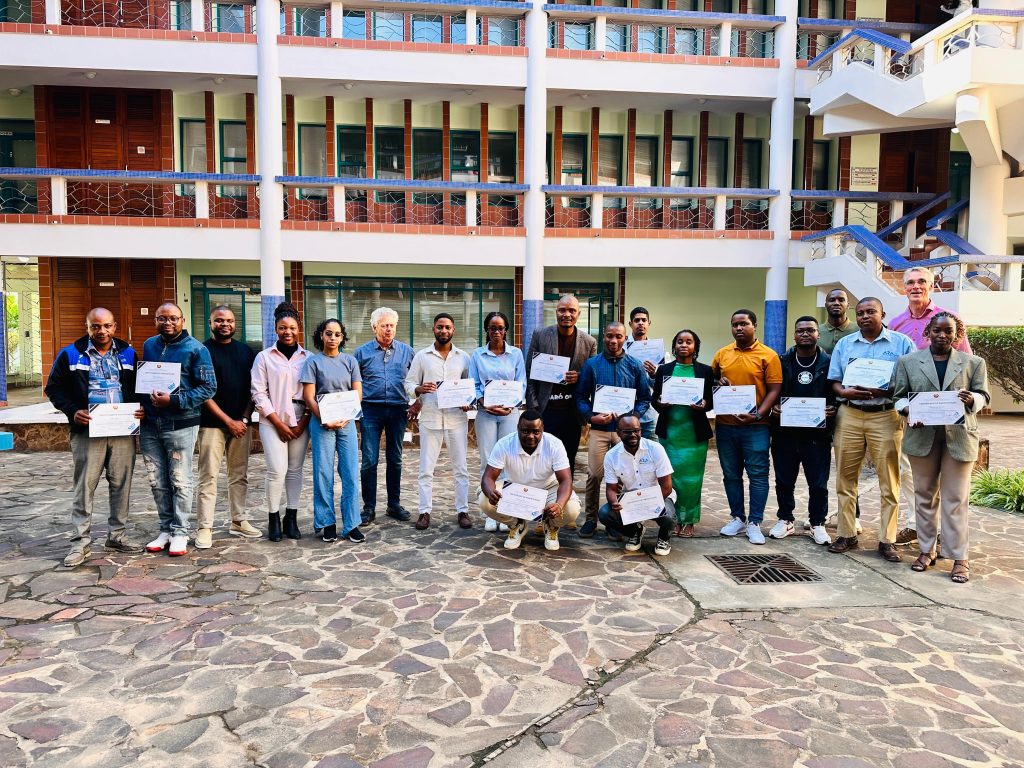
In November of this year, the Blue Deal Partnership held a strategic meeting in Maputo to analyse the programme's new organisational structure and discuss the 2026 annual plan. This meeting was a continuation of the consultation process that began in the middle of the year regarding the programme's restructuring and improvement of its efficiency.

A new organisational setup

During the meeting, the partnership reviewed a new organisational structure designed to work on specific “tracks”. The aim of this reorganisation is to make the focus clearer, improve the alignment between all partners, and optimise how activities are coordinated in the future.

The 2026 annual plan

A preliminary version of the 2026 plan was presented and discussed. Under the new "tracks" framework, most of the activities proposed for the upcoming year are direct continuations of initiatives started by the partnership in previous years.

Partnership introspection and cooperation

The partnership meeting served as a moment of reflection on the program's results. It was agreed that the component leaders ( DWA representatives) will continue to work closely with the Mozambican water management entities to identify areas of success and areas for improvement within the programme.

The meeting also provided an opportunity to strengthen the ties between the Blue Deal and other Dutch interventions in water resources management in Mozambique.

Mr Ivo Van Haren, the representative from the Embassy of the Netherlands, attended the meeting and provided an update on the planned actions of the Dutch Commission for Environmental Assessment (NCEA) in Mozambique. This was an important announcement for the water sector, as some of the Commission's actions aim to improve environmental impact assessments and reduce pollution at the Chicamba dam caused by gold mining — an issue that the Blue Deal partnership has been addressing for a few years.

Ensuring Regular Dialogue

The partnership meeting in November reinforced the need for constant consultation with local partners in order to assess progress, gather suggestions for improvement, and ensure better implementation of the programme.

The Blue Deal programme organises these partnership meetings regularly to ensure transparency and consistent progress. The event in November follows one held in June of this year. Further strategic meetings are planned for the upcoming year to monitor the implementation of activities scheduled for 2026.

Share this article

Blue Deal Programme Office visits Beira and Maputo to collaborate with SASB and participate in the 8th REMCO conference

A delegation from the Blue Deal Program Office in The Hague and Dutch Water Authorities (DWA) visited Mozambique last November. The team, comprising Marieke van Nood (Blue Deal Programme Director), Martin Bos (Blue Deal Mozambique Partnership Director), Jan den Besten (Hunze en Aas), and Ytzen Faber (Wetterskip Fryslan), went to Beira to see how working with the Autonomous Sanitation Service of Beira (SASB) was going and to take part in the REMCO Conference, where important discussions about transboundary water management took place.

Partnering with SASB for financial sustainability

A part of the mission in Beira focused on discussing the financial future of the SASB. The discussion covered a wide array of topics in this regard, such as the increase in operational costs as new infrastructure becomes operational, the strong push towards professionalisation through good governance and the establishment of a new regulatory framework. These are just a few of the actions that would lead SASB in becoming a sustainable company.

Decentralizing the sanitation chain

The Blue Deal, DWA, and SASB teams also looked at the really important issue of decentralised sanitation in Beira.

A survey done in May 2025 showed that 65% of sludge lacks proper treatment.

To combat this environmental and health hazard, the partnership is launching a subsidy pilot project (by the FACE Association). The plan is to improve the sanitation chain by giving the city residents a reason to properly empty latrine pits and make sure the sludge is put in the right places, which are run by SASB.

Canal cleaning and infrastructure expansion

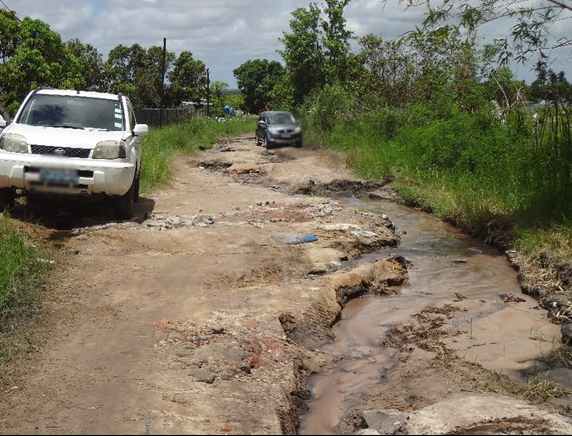
Flood prevention remains a top priority for the city of Beira, and currently 20-metre-wide canals are being constructed to improve the city's drainage.

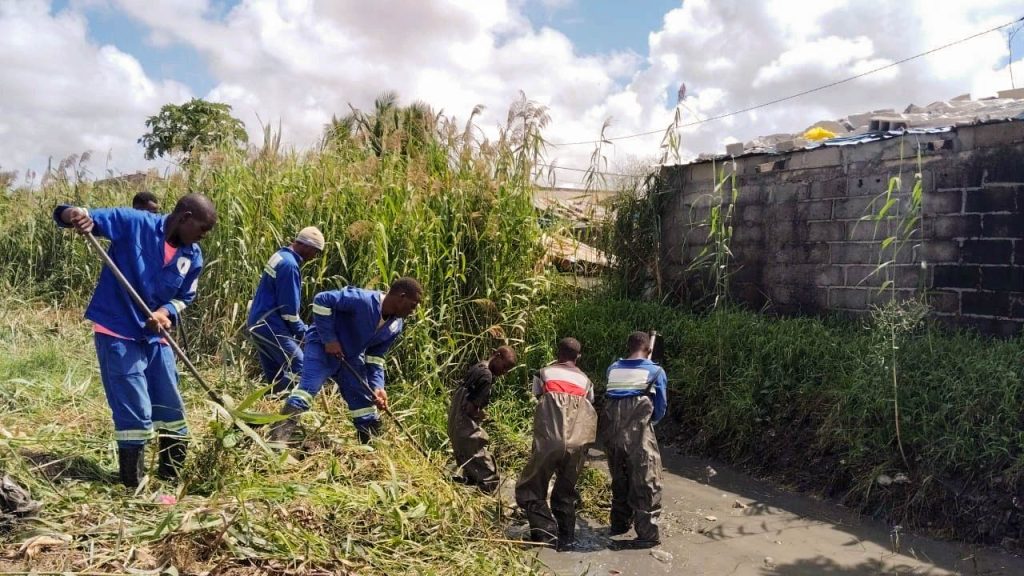
At the SASB premises, the delegation planned the yearly drainage canal cleaning operation. The Blue Deal has been providing support to SASB (and FACE) on this matter for a few years and will continue to do so.

During the visit in November, the team explored alternative solutions to combat the rapid regrowth of vegetation, including the possibilities of using a mowing boat for the maintenance of the (new) retention basins and possibly also for the wider canals.

REMCO 2025

The mission concluded in Maputo with the REMCO 2025 conference, held from November 3 to 7.

As is customary, this year's conference – hosted by ARA Sul,IP and supported by three Blue Deal partnerships (Mozambique, South Africa and Eswatini) – focused on transboundary water management cooperation between these three countries.

Approximately 200 attendees were present, including representatives from the Blue Deal Office at Hague and Blue Deal delegations from Ethiopia, Mozambique, Eswatini, South Africa, Germany and partner organisations in the field of water management.

The Mozambican partnership was represented at the event by the aforementioned DWA representatives and Marijke Jaarsma (Waterschap Vallei en Veluwe), who moderated two sessions: one on digital cooperation among riparian states and one on the Blue Deal programme and African partnerships.

The conference concluded with a field visit, during which participants had the opportunity to learn more about the efforts of REPENSAR, an organisation developing several environmental conservation actions in the Maputo Basin.

***

The mission effectively connected operational improvements on the ground in Beira with high-level strategic discussions in Maputo.

The visit to Beira and Maputo provided a valuable opportunity for key personnel to meet in person and share their wide-ranging experiences. From the programme director to representatives from the Blue Deal partnerships and other entities, both cities were viewed as places offering valuable and memorable experience.

Share this article

Improved preparedness for rainy seasons in the city of Beira

Under the partnership with SASB, FACE Association carried out a manual drainage and canal cleaning campaign to strengthen flood prevention measures in the city of Beira. This proactive effort aimed to minimise the risk of flooding ahead of the 2024/2025 rainy season.

Improving Urban Resilience

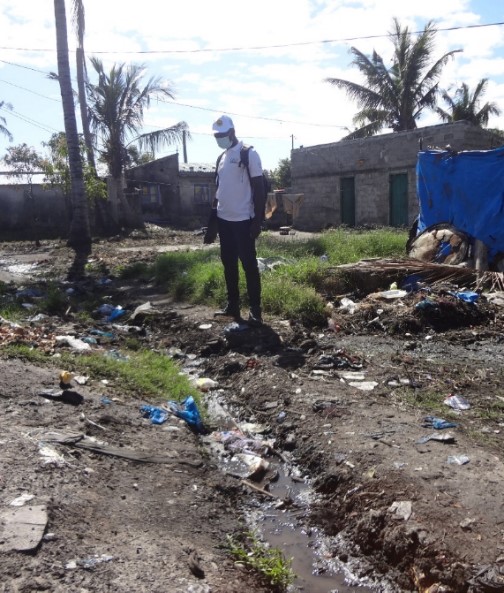
Between September 2024 and January 2025, over 19 kilometres of drainage ditches were cleaned, and 26 critical drainage points were unblocked. These efforts have significantly improved water flow in flood-prone neighbourhoods across the city. In direct support of Beira's commitment to urban resilience and climate adaptation, this activity helped improve the drainage system and reduce the risk of flooding, protecting infrastructure and improving the living conditions of citizens.

Social Inclusion and improved quality of life

In addition to infrastructure improvements, the campaign created temporary job opportunities and encouraged community participation in urban water management and sanitation. Residents from critical neighbourhoods participated in the cleaning campaigns and awareness-raising sessions on waste management.

These efforts also support the local commitment to public health by reducing wastewater accumulation and associated health hazards.

Looking Ahead

The FACE Association's efforts help to achieve the partnership's long-term goals. Under the Blue Deal programme and other initiatives, FACE will continue with routine maintenance and awareness campaigns with support from local authorities. These efforts will encourage people to dispose of their waste properly and help to prevent urban flooding, as the city of Beira is frequently affected by heavy rains. 

Share this article

Transforming drainage in Beira by cleaning canals

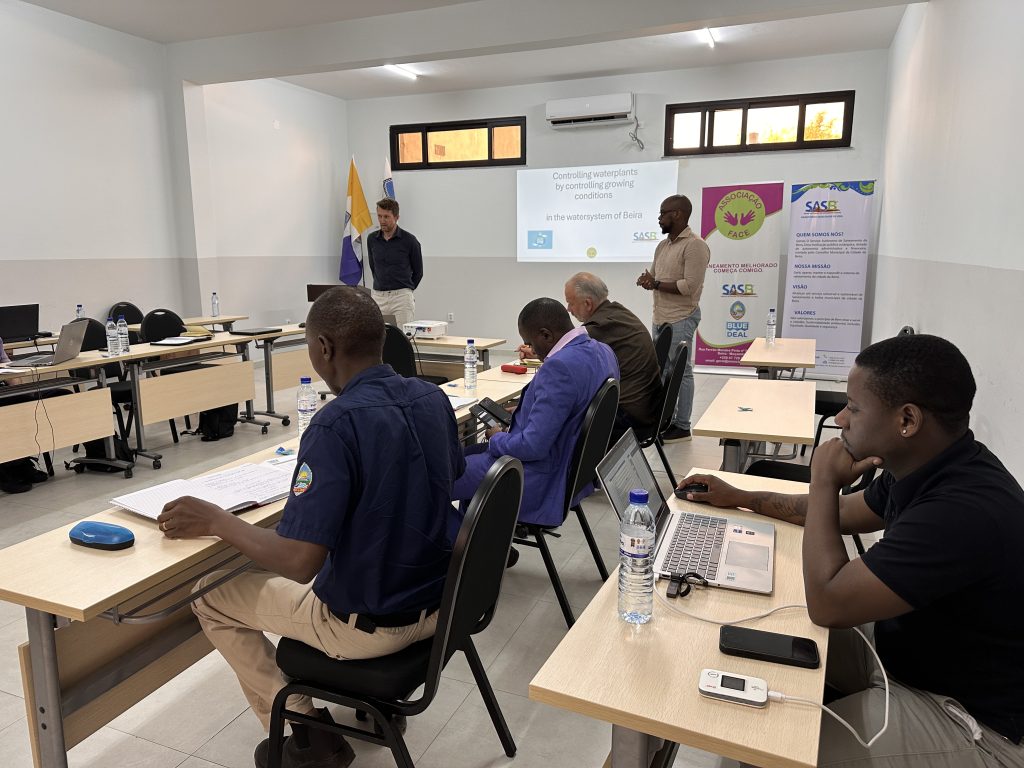
The city of Beira in Mozambique is frequently affected by floods. In recent years, climate change has put additional pressure on the city's drainage system due to more frequent severe storms and rising sea levels. To help the city deal with these two issues, the Blue Deal partnership is working with the Beira Autonomous Sanitation Unit (SASB) and FACE Association to improve the management of the city’s drainage system.

Cleaning of canals and storm drains

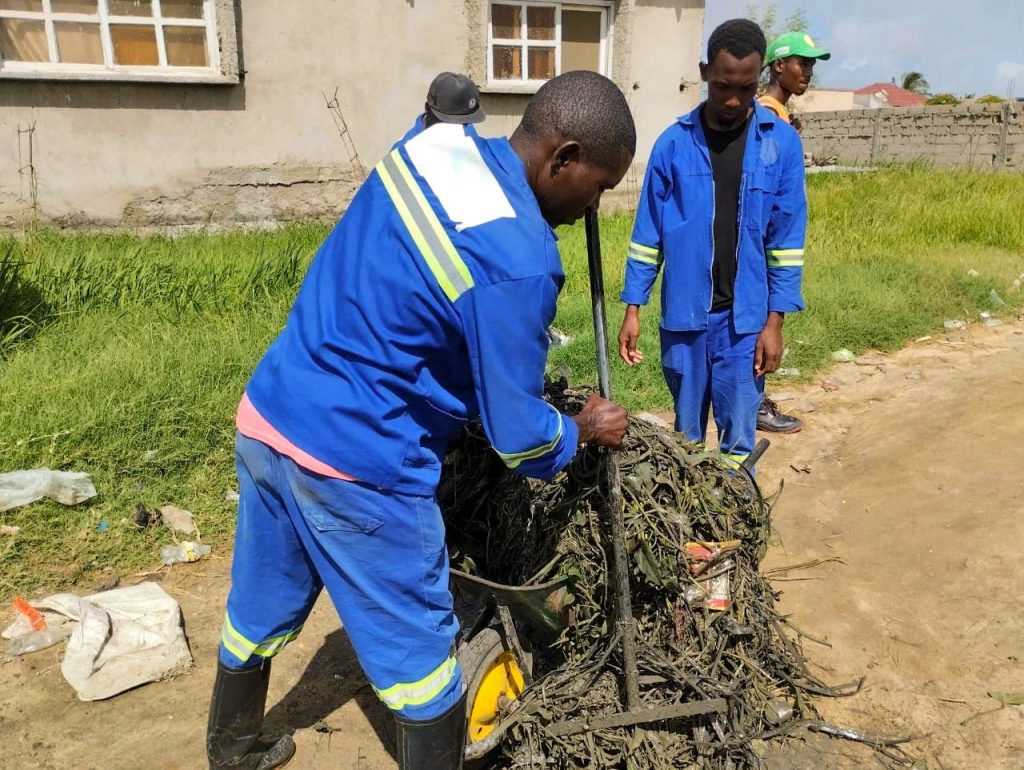
Under the Blue Deal partnership, SASB and FACE are working together on the cleaning of canals in urban and peri-urban areas in Beira. Between Q3/2023 and Q1/2024, FACE worked on the manual cleaning of canals with the support of labour from the communities living next to the canals. On the other hand, SASB has been working on the mechanical cleaning of canals in this city.

From February to April 2024, FACE carried out storm drain cleaning activities in Beira. A team of 30 workers per month, totalling 90 people over the three months, cleaned 3,208 storm drains and 250 outlet boxes, and removed 3 containers of 6m³ of solid waste from the Maraza water retention basin.

The most common waste items obstructing the drainage system were PET bottles, HDP, PP, product packaging, and disposable nappies.

Similar to canal cleaning, storm drain cleaning activities promoted social inclusion and community participation by allowing different individuals to get involved and earn a small income. It is important to continue raising awareness in the communities of Beira about proper waste disposal and ongoing flood resilience practices.

Vegetation regrowth assessment

Vegetation is widespread in the drainage canals in the city of Beira and that leads to water management problems. To address this, the Blue Deal, in collaboration with SASB and FACE, is assessing the regrowth of vegetation in the drainage canals in this city.

The general information gathered about the canals' size and vegetation (thickness, length, and growth patterns) will allow SASB to define the most suitable strategy for the cleaning of canals (manual or mechanical) and properly plan and budget its activities.

Land-use Planning and Stakeholders engagement

The cleaning campaigns are raising important issues in the cooperation between the organisations involved in urban planning and development. The SASB plays an important, albeit limited, role in reducing Beira's flooding problems.

In the Muave district – an area within the municipality of Beira that is growing - SASB is getting involved earlier in the planning process. It's becoming increasingly clear to everyone that it’s important to coordinate water and urban planning from the start - the municipality is becoming more aware of this.

Every week, a consultation meeting is organised between the SASB and the municipal department for urban expansion to ensure that water management helps guide urban planning. This will help to stop construction in parts that are too low, create sufficient retention facilities, protect against storm surges from the Indian Ocean, and develop a good layout of the drainage canals.

Next to the activities in the Muave district, a “water opportunity map” for the whole city of Beira was developed. This interactive map can be used as a tool to enhance water as a co-arranging principle in urban planning.

Share this article

Asset management for improved flood management in Beira

Under the Blue Deal Partnership, the Beira Autonomous Sanitation Unit (SASB) is ambitiously working on introducing Asset Management principles in the operation of Beira’s drainage and sanitation systems. This initiative aims to enhance the efficiency, reliability, and sustainability of these essential systems, ultimately improving the quality of life for Beira's residents.

The Fundamentals of Asset Management

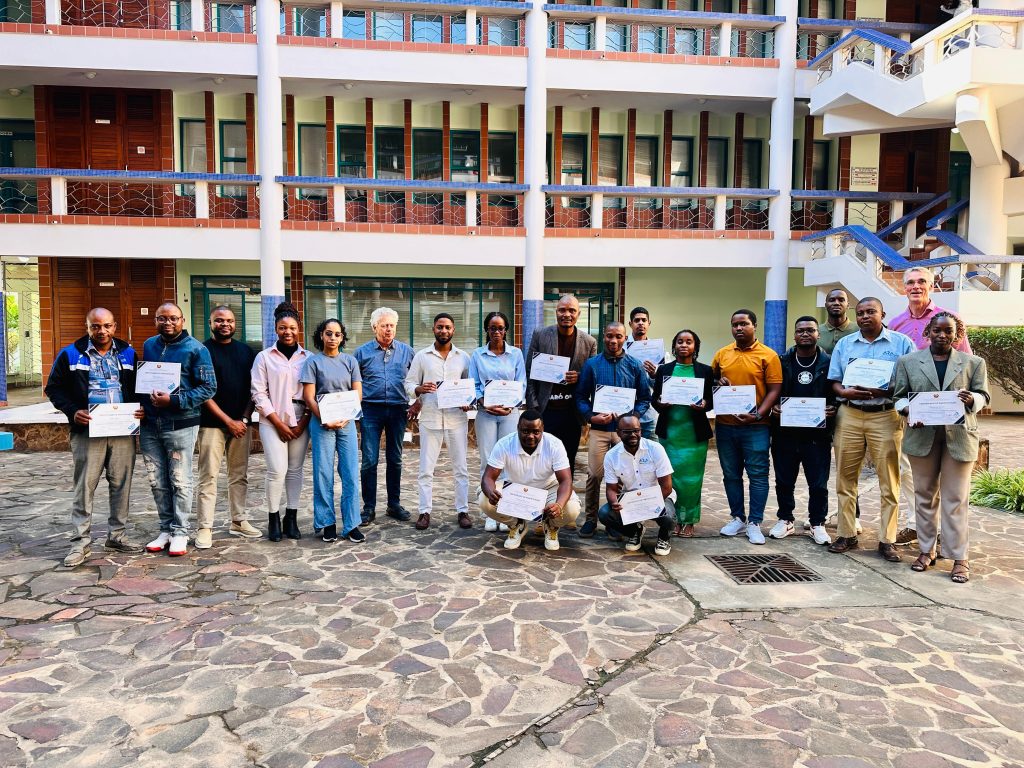
In March and November of 2023, the Blue Deal partnership in Mozambique ran training on Asset Management for the SASB team (and FACE Association). The training introduced the principles of asset management and established the basis for the operation and maintenance of SASB assets.

Inventory of Assets and Development of an Operation and Maintenance Plan

Since March 2023, SASB has been working on the inventory and coding of its assets. This process began with the main machinery and infrastructure, including canals, trucks, and pumps. Over the following years, the inventory and coding of assets will be expanded to include other SASB infrastructures, materials, and equipment.

In alignment with the SASB-PRO Programme (a combined programme from the Dutch Ministry of Foreign Affairs, EKN, RVO, VNG , and the Blue Deal for the improvement of SASB operational capacity), these activities will allow the establishment of a clear vision for the maintenance and operation of SASB assets, reducing the unforeseen costs associated with reactive maintenance.

Activities progress

In March of this year (2024), a working visit to Mozambique was organised, during which the team from our Component 5 and the VNG International team discussed the progress of the activities undertaken by SASB in this matter.

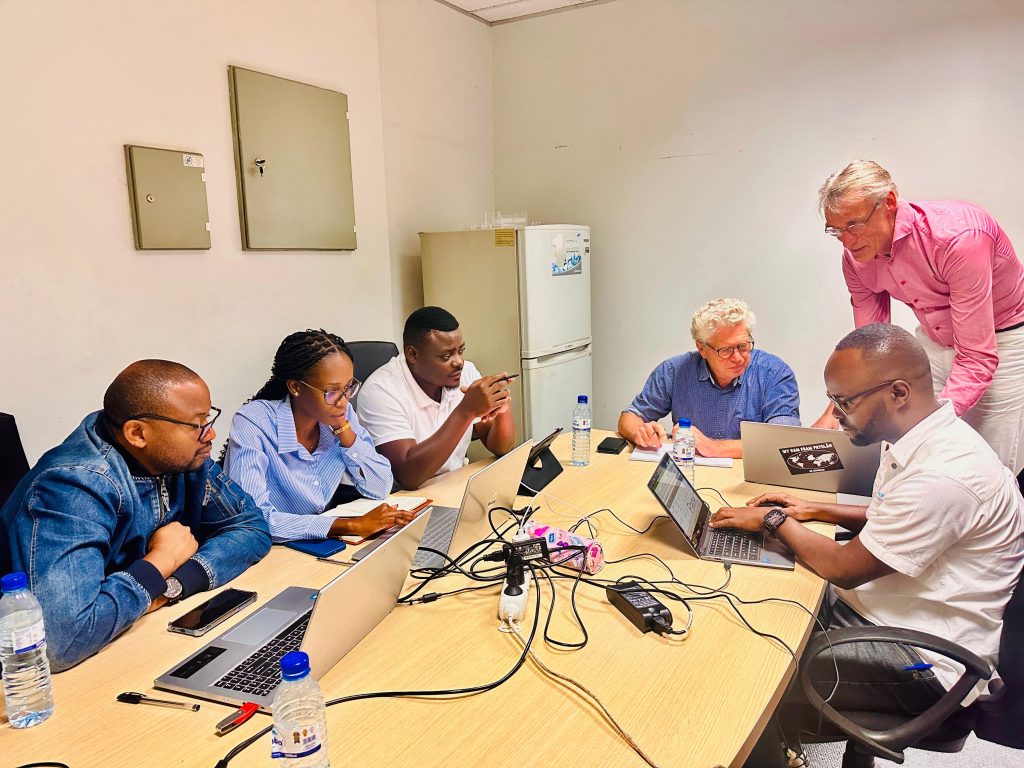
In June, the Blue Deal organised a workshop to develop a maintenance plan for Beira's drainage canals. Staff from different departments of the SASB participated. During the workshop, the theory of asset management was used to write the maintenance plan. In one week of training, discussion, and active writing, a 90% version of the maintenance plan was ready. The plan will be implemented in the second half of 2024. In the following years, the plan will be updated annually.

Further working visits and training are expected to be organised this year.

Share this article

SASB and FACE work on improving faecal sludge management in Beira

An important element in the combined Dutch program (Dutch Ministry of Foreign Affairs, EKN, RVO, VNG, and Blue Deal) is the implementation of several activities in the city of Beira. These activities include social and technical interventions, intending to improve the services provided by the Beira Autonomous Sanitation Unit (SASB) to the community and facilitating its institutional strengthening.

During phase 1, the Blue Deal partnership collaborated with the SASB and the Municipality of Beira to identify a pilot area for the installation of a second Faecal Sludge Transfer Station. Further discussions and evaluations in 2023 highlighted the need to focus on improving the management and operation of the existing station built under the Frisian Urban Sanitation Programme in Beira (2014–2018) rather than building a second Faecal Sludge Transfer Station (FSTS). in Beira (2014-2018) - instead of building a second Faecal Sludge Transfer Station (ETLF).

Monitoring and operation of the faecal sludge transfer station

SASB and FACE Association have been monitoring the operation of the existing FSTS. The activities carried out by these two organisations are focused on establishing an efficient operation of the FSTS by optimising the management of the facilities and increasing the uptake by service providers. Additionally, the activities aim to support and strengthen small and medium-sized pit suction companies encouraging good practices and quality standards that meet the sanitation needs of the community. Lastly, SASB and FACE Implement awareness-raising activities to promote the importance of sanitation and proper feacal sludge management, while also highlighting the services provided by the private companies.

Challenges and Changes in the FSTS Operations

In 2023 changes in the operations of the pit suction companies and seasonal variations were significant, directly affecting the volumes delivered to the FSTS. The FSTS operation was also impacted by other factors such as the ceased operation of 3 private companies – which reduced the quantity of sludge received, a negative cost perception, and the adoption of alternative septic tank emptying practices.

Inadequate emptying practices by private companies, failure to follow standard operating procedures, lack of knowledge about available services on the part of the population, as well as inadequate solid waste management and lack of organizational structure by manual emptying practitioners also constitute challenges in the operation of the FSTS.

Community Awareness

The evaluation of the FSTS operation revealed the importance of community awareness as one of the solutions for its effective functioning. These awareness campaigns will contribute to the abandonment of inappropriate practices from private companies as well as the population and improve the relationship between these two parties.

Through the BD partnership, FACE was able to recruit and train activists to promote good practices when managing faecal sludge and also promote the services provided by the FSTS at the community level. It’s becoming increasingly clear that effective communication about the services provided by the FSTS is crucial for gaining community acceptance and encouraging active participation of the community and private companies.


The activities related to the operation of the FSTS will continue this year as SASB and FACE play a significant role in improving water management and sanitation in Beira.

Share this article

Feacal Sludge Transfer Station (ETLF) in Beira (component 5)

The feacal sludge transfer station (ETLF) became active in June 2020, with a supporting team present in the field. The team consists of a manager and two technicians of SASB. NGO FACE's technical team was involved in the opening process of ETLF providing assistance, after the opening of the station the team was connected in the day-to-day operational work.

During the rainy season, specifically the second season, January to March 2021, the station was closed and unable to offer its services to suction companies. During this period Beira was hit by the severe tropical storm Chalane, which passed through the city on December 19, 2020 causing heavy rainfall reaching about 100mm in 24-hour period. In the following month, on January 14, 2021, another tropical cyclone, Eloise, struck the city with high rainfall of 200 to 300 mm in 24 hours, 500 mm in 48 hours, causing flooding and other destruction to roads and infrastructures. The access road to the station was affected, which made it impossible for cars and motorcycles to get to the station. Due to the circumstances, the ETLF station had to be closed.

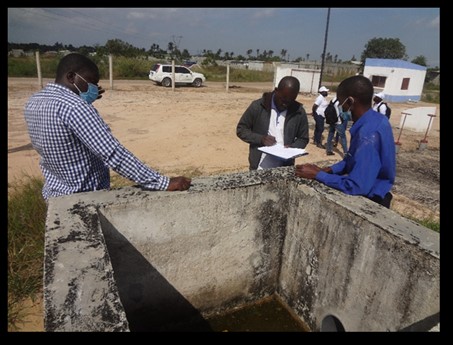
Early June 2021 the current situation of the ETLF was assessed by FACE. The main findings were: There is a need for a piped water supply for personal hygiene (bathroom) and cleaning materials. There is also a need for an electrical connection for more safety at night and for guarding purposes to prevent sabotage and theft of stored materials. It became also clear that the intake boxes of the septic tank need to be slightly reconstructed in order to improve the disposal process of collected sludge from the cars. It should also prevent the solid waste in the sludge from entering the septic tank. And at last, there is a need for paving the truck manoeuvring circuit to minimize erosion.

In the Inhamizua district, the assistance team is executing door-to-door visits disseminating the ETFL activities and promoting the work of suction companies.

In May 2021, 231 households were visited and in July about 1,792 door-to-door household visits were made: from the total number of visits made in the two months, 11% of households sought the services of septic tanks’ suction.

Share this article

Improvement of the operation and management of Beira’s drainage system

The Blue Deal is supporting the city of Beira with the improvement of the operation and management conditions of the drainage canal system through capacity building of the urban services managing entity SASB. This is partly implemented via community awareness campaigns for people living in the direct neighbourhood of the canals: awareness of solid waste management (posture, supervision, control committees, sanitation-hygiene-covid-19) and the correct use of solid waste containers.

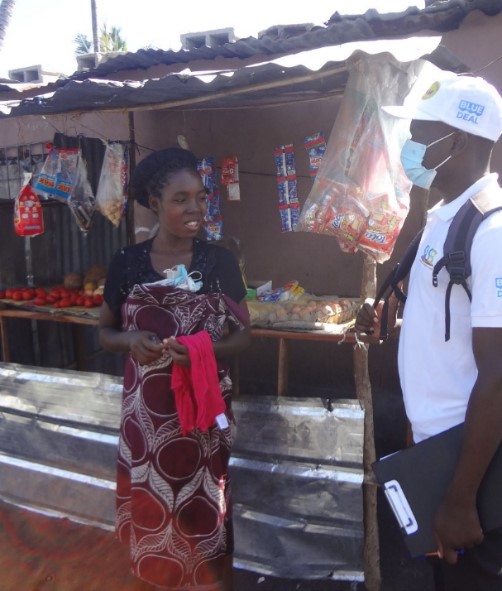
During May 2021 1242 families were visited. It was observed that 24% of them are living within 100 meters of where garbage container is placed.

Within component 5 field teams are implementing activities. In partnership with SASB, training and education of field teams took place at the SASB offices. The training aimed at making the field teams aware of the fieldwork procedures, the challenges and objectives of conducting door-to-door visits and campaigning in general. The training in which the staff of SASB was also present was received very positively. The field teams received working equipment from FACE.

Special attention was paid to the Covid-19 aspects. The importance of personal protection for each field team member was emphasised, as well as care within the community and advice to address to people at home such as hand washing and social distancing.

Share this article

Sustainable water reservoirs

Small water reservoirs in local communities need proper functioning - in a sustainable way. This can be achieved with the active involvement of the local community.

Successful intervention by ARA Zambeze not only depends on the technical inputs and outputs but probably much more on its ability to connect with local people. They can provide support to the ARA with knowledge of types of water uses, site selection and hydrological and geological information. Or as Tiago Vilanculo from CCM – who successfully built 60 sand dams - stated: "Without the involvement of local people, we would not have been successful.”

Water reservoirs and dams

ARA Zambeze focuses on the construction of open-water reservoirs. In the same region, the non-governmental organisation Christian Council Mozambique (CCM) is active in constructing sand dams. Here part of the river discharge during the rainy season is stored in the sediments which are deposited upstream of the dam. The realization of new infrastructure is delayed due to time-consuming and bureaucratic contracting procedures, which may take up to 6 months while the suitable construction period is from August to November.

Represas

Carlos Fenhane is a specialist in represas (small water reservoirs constructed by a dam in the river) and within ARA Zambeze, he is the one and only expert in this field. Represas provide capacity for water storage in dry periods. In November 2019, Carlos and Martin Bos of DWA visited a selected number of represas in the region near Tete.

Guideline

Carlos expressed his need for more exchange of knowledge and experiences in other countries; in particular on the sustainability of dam construction. As Carlos stated: “I will perform better when I can use experiences and knowledge from colleagues elsewhere.” Now Carlos and Martin have drawn up a guideline and a manual for the design and construction of small dams.

During the joint field work it became obvious that the involvement of local communities in site selection, operation, and maintenance is a key factor for the sustainability of small water reservoirs.

Share this article

Awareness building in Beira

One of the partners in the Blue Deal activities in Beira is FACE Association, where Helder Domingos is in charge of our activities. Helder Domingos:“Our association was founded by colleagues who had been working within the Frisian Urban Sanitation Project (FUSP 2010-2018). Our activities have always been turned to the sanitation chain with a focus on raising awareness and building sanitation infrastructures such as improved latrines, public sanitation facilities and school sanitation. In 2018 in Beira, we were involved in the construction of a pilot faecal sludge transfer station (component 5) and in training small private companies for emptying of latrine pits. We very much welcome the opportunity provided by the Blue Deal initiative to continue with these kinds of activities which have important added value for the sustainability of infrastructures and behaviour change”.“.

At the start, FACE was involved in the various preparatory meetings with the local partners in the city of Beira, field visits, conversations with the partners and the communication meeting for the launch of the Blue Deal. The interconnection between the main actors (Municipal Council, SASB, ARA Centro, universities, private sector) with an informed community will enhance the desire to improve the individual situation for sanitation in families.

The Blue Deal effect: According to Helder: for us, to be part of this project is inspiring and as a team, we have a positive feeling as we are contributing to the sustainability of the existing sanitation environment that was created in the previous projects. We think that community education by means of awareness is important and should be constant and continuous.

The road to positive outcomes: The Blue Deal offers opportunities for improvement of behaviour about the correct management of solid waste and proper management of the drainage system at the city level impacting positively in public health.

Share this article