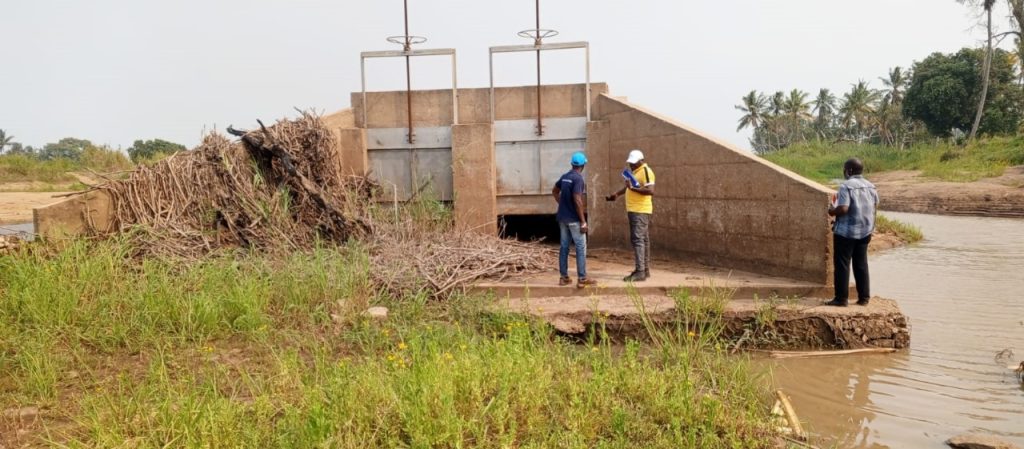
The city of Beira in Mozambique is frequently affected by floods. In recent years, climate change has put additional pressure on the city's drainage system due to more frequent severe storms and rising sea levels. To help the city deal with these two issues, the Blue Deal partnership is working with the Beira Autonomous Sanitation Unit (SASB) and FACE Association to improve the management of the city’s drainage system.
Cleaning of canals and storm drains
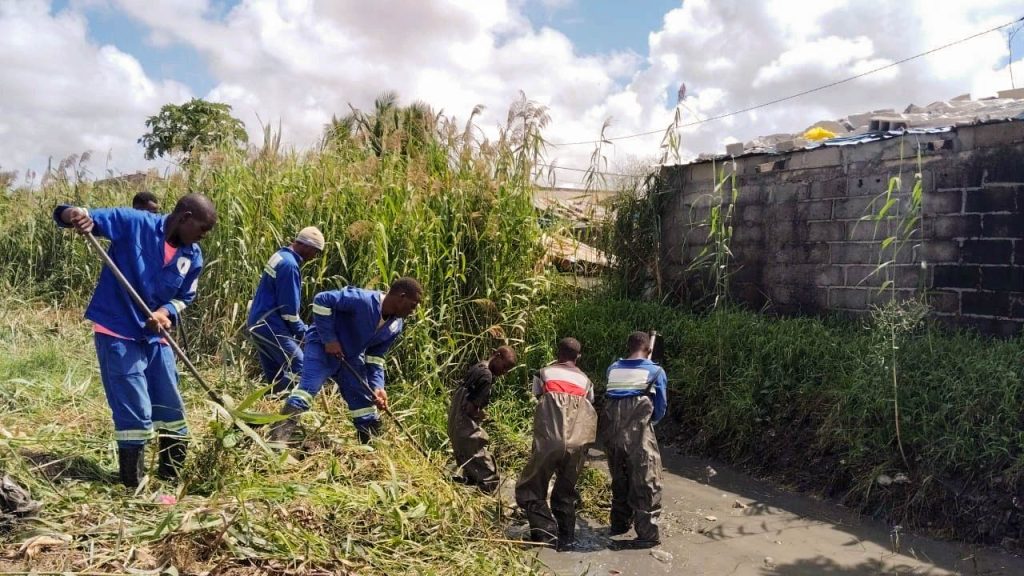
Under the Blue Deal partnership, SASB and FACE are working together on the cleaning of canals in urban and peri-urban areas in Beira. Between Q3/2023 and Q1/2024, FACE worked on the manual cleaning of canals with the support of labour from the communities living next to the canals. On the other hand, SASB has been working on the mechanical cleaning of canals in this city.
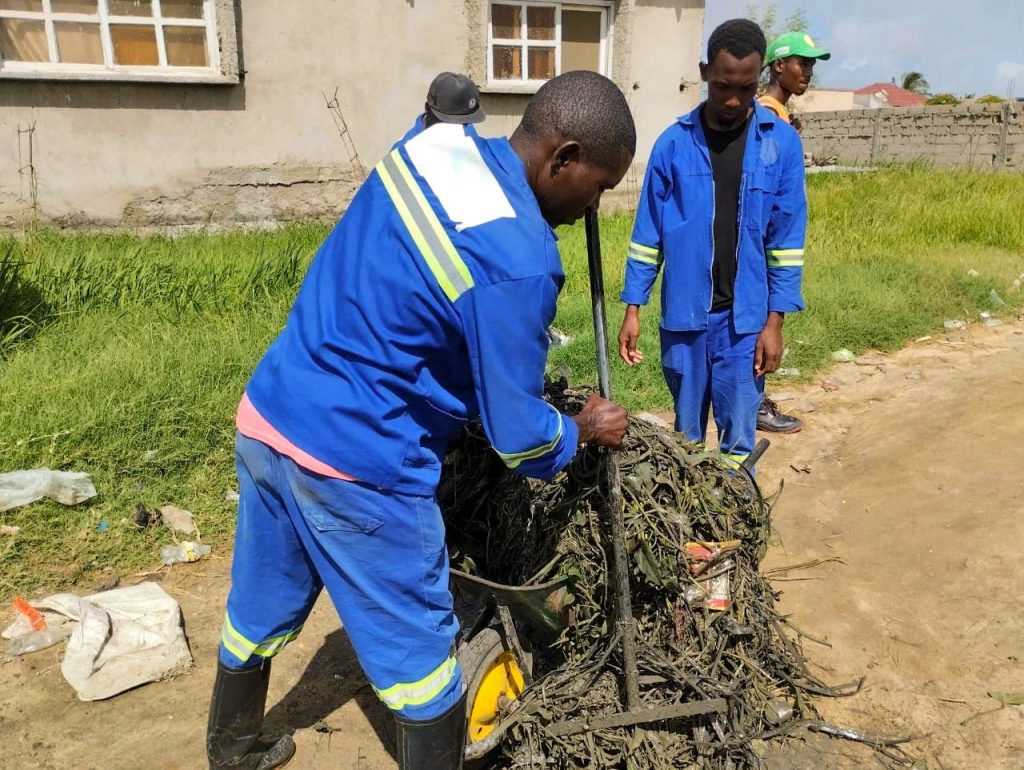
From February to April 2024, FACE carried out storm drain cleaning activities in Beira. A team of 30 workers per month, totalling 90 people over the three months, cleaned 3,208 storm drains and 250 outlet boxes, and removed 3 containers of 6m³ of solid waste from the Maraza water retention basin.
The most common waste items obstructing the drainage system were PET bottles, HDP, PP, product packaging, and disposable nappies.
Similar to canal cleaning, storm drain cleaning activities promoted social inclusion and community participation by allowing different individuals to get involved and earn a small income. It is important to continue raising awareness in the communities of Beira about proper waste disposal and ongoing flood resilience practices.
Vegetation regrowth assessment
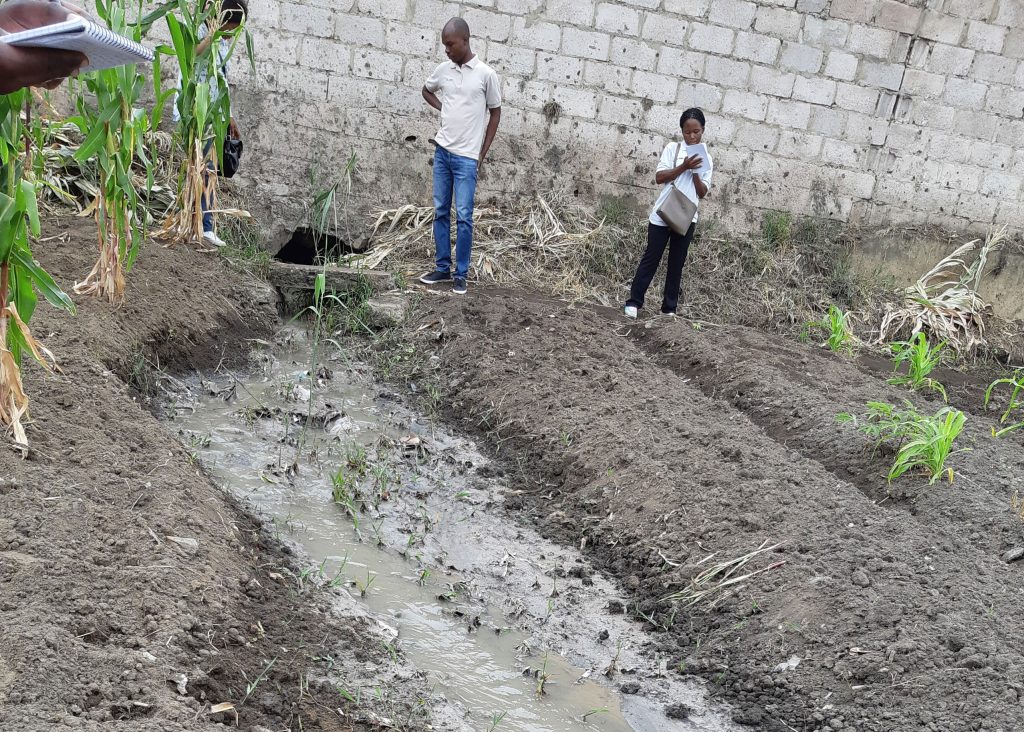
Vegetation is widespread in the drainage canals in the city of Beira and that leads to water management problems. To address this, the Blue Deal, in collaboration with SASB and FACE, is assessing the regrowth of vegetation in the drainage canals in this city.
The general information gathered about the canals' size and vegetation (thickness, length, and growth patterns) will allow SASB to define the most suitable strategy for the cleaning of canals (manual or mechanical) and properly plan and budget its activities.
Land-use Planning and Stakeholders engagement
The cleaning campaigns are raising important issues in the cooperation between the organisations involved in urban planning and development. The SASB plays an important, albeit limited, role in reducing Beira's flooding problems.
In the Muave district – an area within the municipality of Beira that is growing - SASB is getting involved earlier in the planning process. It's becoming increasingly clear to everyone that it’s important to coordinate water and urban planning from the start - the municipality is becoming more aware of this.
Every week, a consultation meeting is organised between the SASB and the municipal department for urban expansion to ensure that water management helps guide urban planning. This will help to stop construction in parts that are too low, create sufficient retention facilities, protect against storm surges from the Indian Ocean, and develop a good layout of the drainage canals.
Next to the activities in the Muave district, a “water opportunity map” for the whole city of Beira was developed. This interactive map can be used as a tool to enhance water as a co-arranging principle in urban planning.