Component 3

Blue Deal Partnership in Mozambique meets in Maputo to plan its future direction

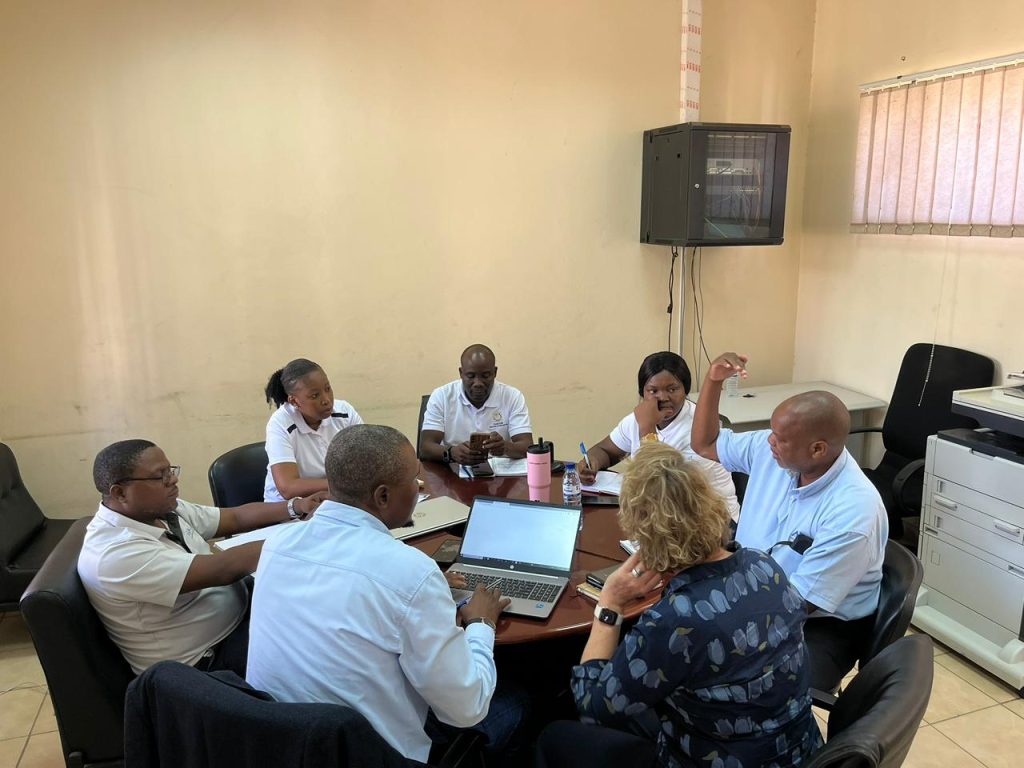
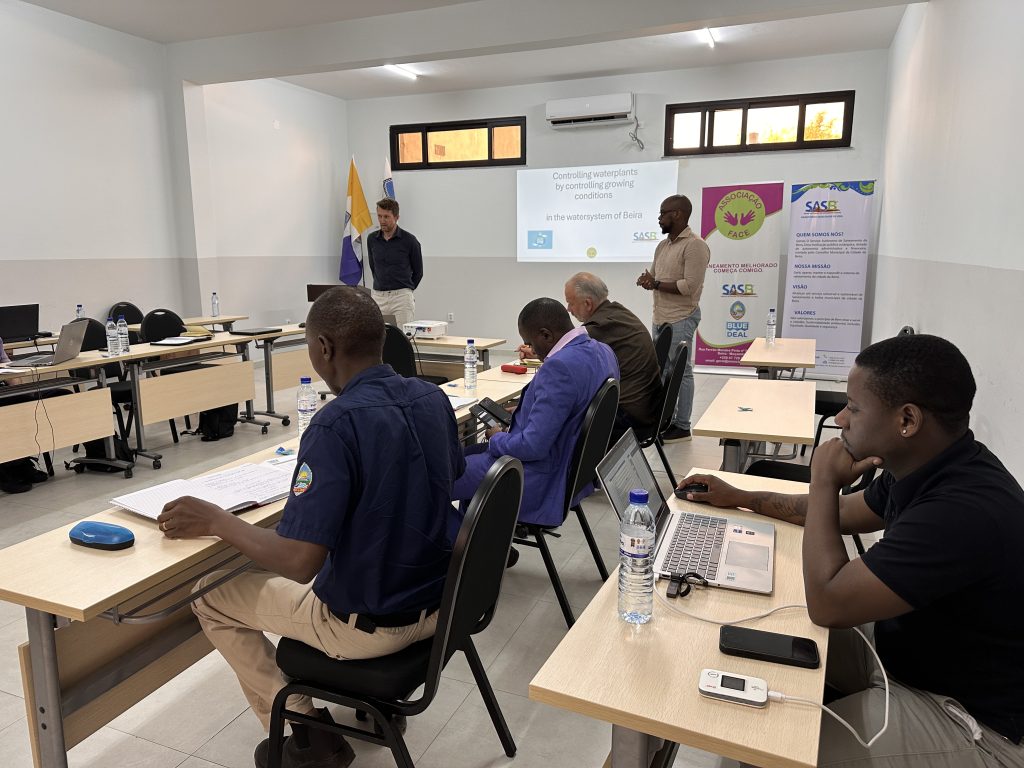
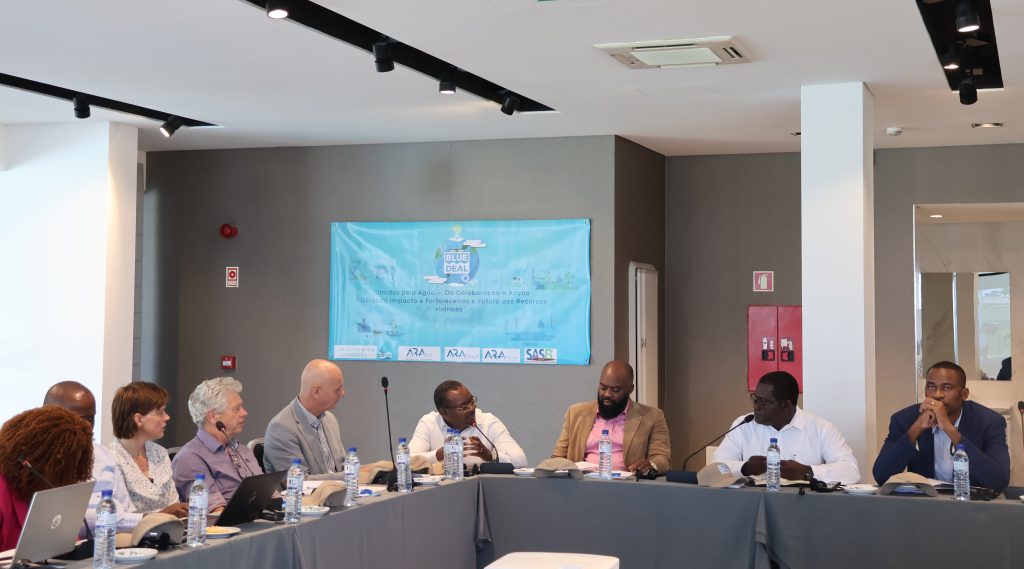
In November of this year, the Blue Deal Partnership held a strategic meeting in Maputo to analyse the programme's new organisational structure and discuss the 2026 annual plan. This meeting was a continuation of the consultation process that began in the middle of the year regarding the programme's restructuring and improvement of its efficiency.

A new organisational setup

During the meeting, the partnership reviewed a new organisational structure designed to work on specific “tracks”. The aim of this reorganisation is to make the focus clearer, improve the alignment between all partners, and optimise how activities are coordinated in the future.

The 2026 annual plan

A preliminary version of the 2026 plan was presented and discussed. Under the new "tracks" framework, most of the activities proposed for the upcoming year are direct continuations of initiatives started by the partnership in previous years.

Partnership introspection and cooperation

The partnership meeting served as a moment of reflection on the program's results. It was agreed that the component leaders ( DWA representatives) will continue to work closely with the Mozambican water management entities to identify areas of success and areas for improvement within the programme.

The meeting also provided an opportunity to strengthen the ties between the Blue Deal and other Dutch interventions in water resources management in Mozambique.

Mr Ivo Van Haren, the representative from the Embassy of the Netherlands, attended the meeting and provided an update on the planned actions of the Dutch Commission for Environmental Assessment (NCEA) in Mozambique. This was an important announcement for the water sector, as some of the Commission's actions aim to improve environmental impact assessments and reduce pollution at the Chicamba dam caused by gold mining — an issue that the Blue Deal partnership has been addressing for a few years.

Ensuring Regular Dialogue

The partnership meeting in November reinforced the need for constant consultation with local partners in order to assess progress, gather suggestions for improvement, and ensure better implementation of the programme.

The Blue Deal programme organises these partnership meetings regularly to ensure transparency and consistent progress. The event in November follows one held in June of this year. Further strategic meetings are planned for the upcoming year to monitor the implementation of activities scheduled for 2026.

Share this article

Blue Deal Programme Office visits Beira and Maputo to collaborate with SASB and participate in the 8th REMCO conference

A delegation from the Blue Deal Program Office in The Hague and Dutch Water Authorities (DWA) visited Mozambique last November. The team, comprising Marieke van Nood (Blue Deal Programme Director), Martin Bos (Blue Deal Mozambique Partnership Director), Jan den Besten (Hunze en Aas), and Ytzen Faber (Wetterskip Fryslan), went to Beira to see how working with the Autonomous Sanitation Service of Beira (SASB) was going and to take part in the REMCO Conference, where important discussions about transboundary water management took place.

Partnering with SASB for financial sustainability

A part of the mission in Beira focused on discussing the financial future of the SASB. The discussion covered a wide array of topics in this regard, such as the increase in operational costs as new infrastructure becomes operational, the strong push towards professionalisation through good governance and the establishment of a new regulatory framework. These are just a few of the actions that would lead SASB in becoming a sustainable company.

Decentralizing the sanitation chain

The Blue Deal, DWA, and SASB teams also looked at the really important issue of decentralised sanitation in Beira.

A survey done in May 2025 showed that 65% of sludge lacks proper treatment.

To combat this environmental and health hazard, the partnership is launching a subsidy pilot project (by the FACE Association). The plan is to improve the sanitation chain by giving the city residents a reason to properly empty latrine pits and make sure the sludge is put in the right places, which are run by SASB.

Canal cleaning and infrastructure expansion

Flood prevention remains a top priority for the city of Beira, and currently 20-metre-wide canals are being constructed to improve the city's drainage.

At the SASB premises, the delegation planned the yearly drainage canal cleaning operation. The Blue Deal has been providing support to SASB (and FACE) on this matter for a few years and will continue to do so.

During the visit in November, the team explored alternative solutions to combat the rapid regrowth of vegetation, including the possibilities of using a mowing boat for the maintenance of the (new) retention basins and possibly also for the wider canals.

REMCO 2025

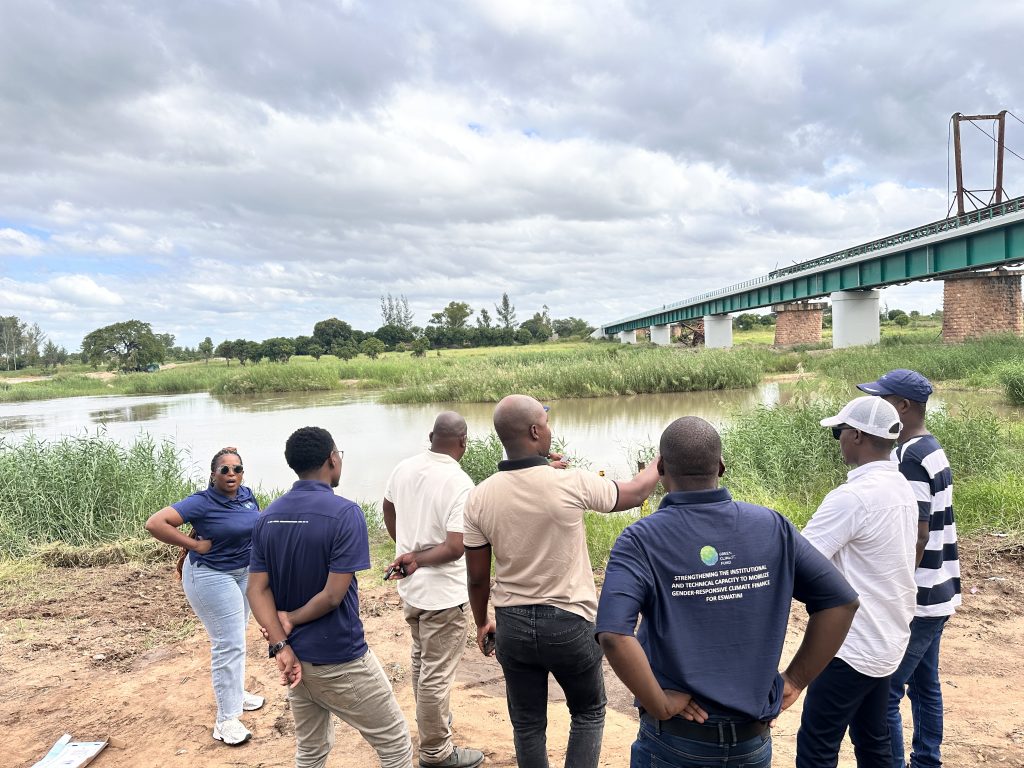
The mission concluded in Maputo with the REMCO 2025 conference, held from November 3 to 7.

As is customary, this year's conference – hosted by ARA Sul,IP and supported by three Blue Deal partnerships (Mozambique, South Africa and Eswatini) – focused on transboundary water management cooperation between these three countries.

Approximately 200 attendees were present, including representatives from the Blue Deal Office at Hague and Blue Deal delegations from Ethiopia, Mozambique, Eswatini, South Africa, Germany and partner organisations in the field of water management.

The Mozambican partnership was represented at the event by the aforementioned DWA representatives and Marijke Jaarsma (Waterschap Vallei en Veluwe), who moderated two sessions: one on digital cooperation among riparian states and one on the Blue Deal programme and African partnerships.

The conference concluded with a field visit, during which participants had the opportunity to learn more about the efforts of REPENSAR, an organisation developing several environmental conservation actions in the Maputo Basin.

***

The mission effectively connected operational improvements on the ground in Beira with high-level strategic discussions in Maputo.

The visit to Beira and Maputo provided a valuable opportunity for key personnel to meet in person and share their wide-ranging experiences. From the programme director to representatives from the Blue Deal partnerships and other entities, both cities were viewed as places offering valuable and memorable experience.

Share this article

ARAs, DNGRH, and DWA meet to enhance communication strategies and skills

Effective water resource management encompasses more than just infrastructure management. Transparency, sensitization, and building trust with the people who rely on these vital resources are equally important. As part of their ongoing commitment to fostering stronger relationships with water users, the Regional Water Authorities (ARAs) of Mozambique have been carrying out a wide range of communication activities.

These activities, supported by the Blue Deal Mozambique, aim to transform the way the ARAs present themselves to the public, ensuring their image accurately reflects the critical work being carried out.

Continuously learning together

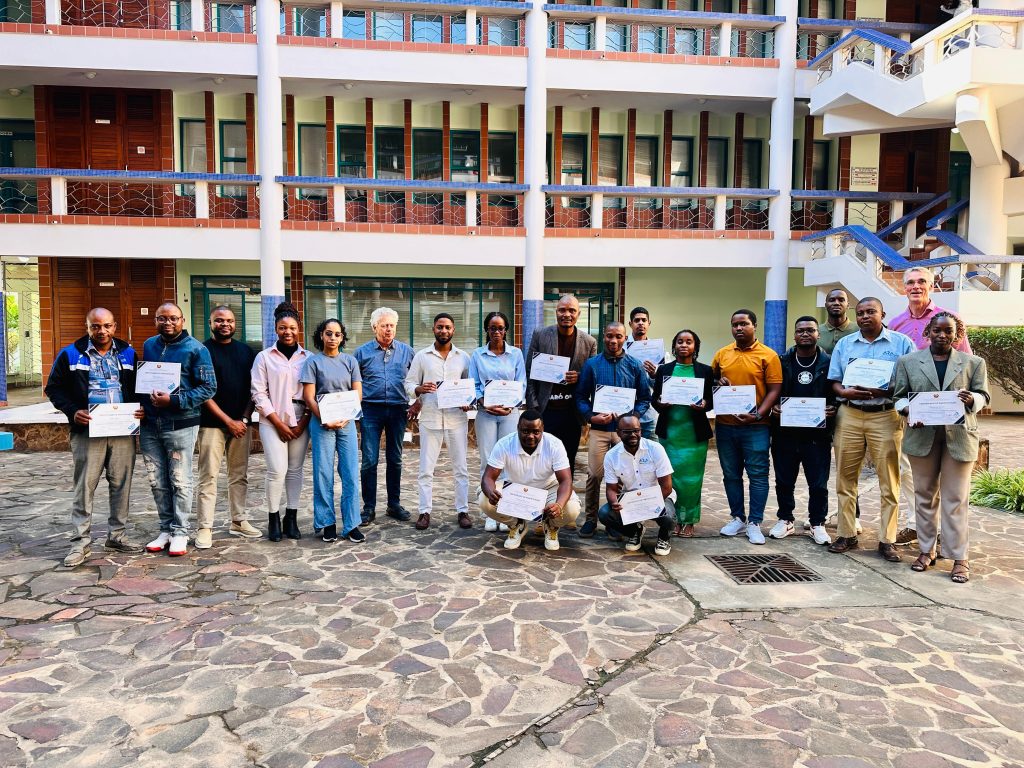
At the heart of the Blue Deal's communication efforts is an active Community of Practice (CoP), which brings together communication professionals from the three ARAs (and now also the DNGRH) for regular online meetings to share insights about their ongoing and planned activities. In July of this year, the group met in person, in Maputo, to continue sharing experiences and developing their skills.

The live meeting addressed the theoretical and practical challenges of communication in Mozambique's public sector. This prompted the CoP to discuss the role of communication in mergers and crises, how bureaucracy can affect creativity, and to explore strategies for carrying out communication activities on a low budget.

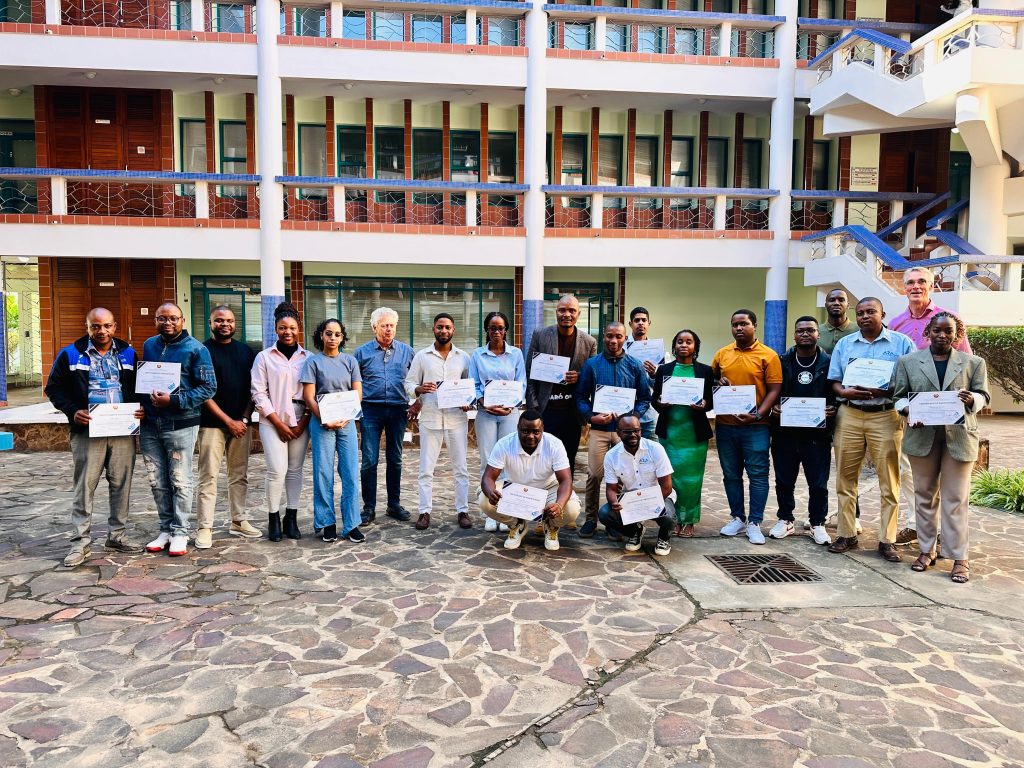
The gathering also served as a practical workshop, in which CoP members participated in a short media training session focusing on interview techniques. They also engaged in practical sessions covering foundational photography techniques and the use of artificial intelligence for content generation.

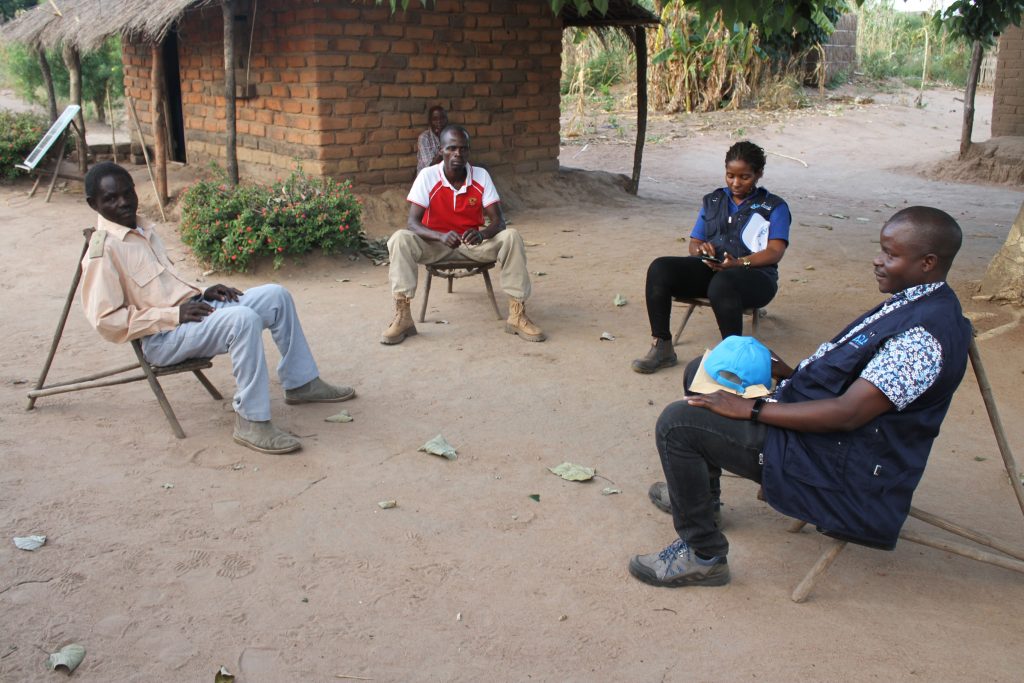
On the final day of the CoP gathering in July, the CoP visited one of the major water users to discuss groundwater usage and the polluter pays principle.

Building skills in multimedia content creation

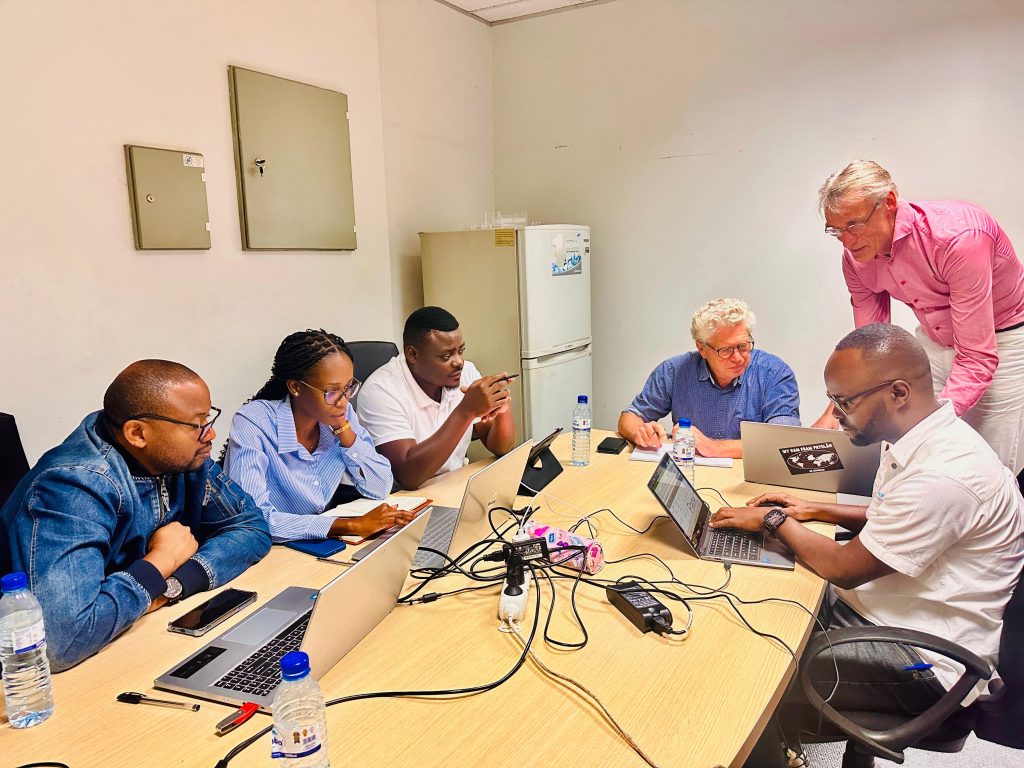
In October, following the July meeting in Maputo, one of ARA-Sul's communications experts led an in-depth multimedia training session for  ARA-Norte,IP and  ARA-Centro,IP. Equipped with new skills in graphic design, video editing and photography, these two ARAs are now better able to create content explaining licensing procedures, providing real-time flood warnings and educating the public on water conservation.

Looking Ahead

The ARAs are fostering a culture of transparency and openness, whether by engaging in face-to-face dialogue with major water users or launching communication campaigns for the wider community. The Blue Deal partnership in Mozambique will continue these critical actions, building and maintaining strong and active relations between water managers and water users.

Share this article

ARA-Sul and ARA Norte adopt the WE-HARP tool

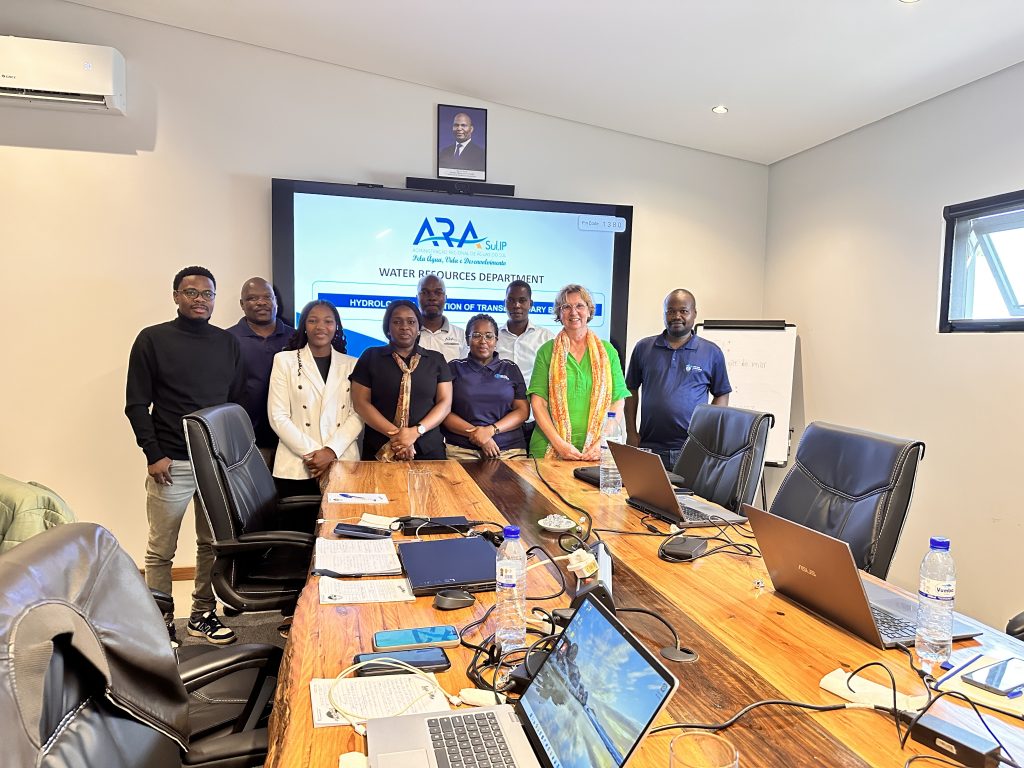
In June, technical staff from the Southern Regional Water Authority (ARA-Sul, IP) and the Northern Regional Water Authority (ARA-Norte, IP) gathered for specialised training sessions focusing on the WE-HARP tool. These sessions, supported by the Blue Deal and facilitated by FutureWater, marked a significant step forward in how water abstraction licenses are currently evaluated in these regions.

Integrating data and modelling

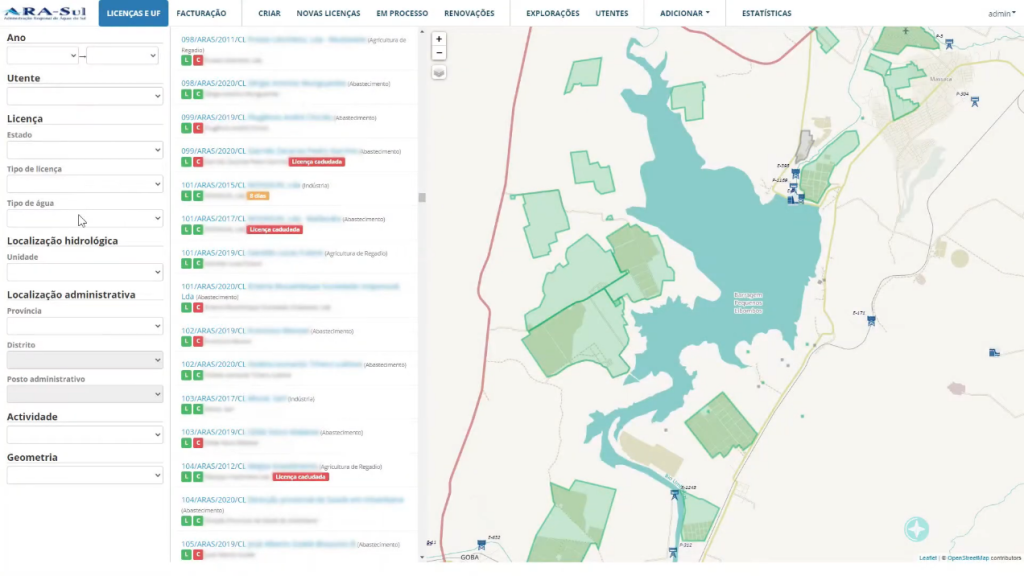
The WE-HARP tool is a custom-built application designed to bridge the gap between administrative data and complex hydrological modelling.

During the training sessions, participants learnt how to use this tool to link the existing Water Resources Information System (SIRHA) with the Water Evaluation and Planning (WEAP) models. They were also shown how this tool can simulate the impact of new water licence requests for agricultural, industrial or domestic use on the water balance of an entire river basin.

Water governance through data-Driven permitting

Adopting WE-HARP enables ARA-Sul and ARA-Norte to transition to a data-driven approach to water management in Southern and Northern Mozambique. This tool enables staff to calculate precise impacts of new abstractions on reservoir levels and existing users, while simulating drought scenarios to protect environmental flows and water supply.

By automating complex processes, this tool allows even non-experts at the two ARAs to carry out in-depth assessments and clearly communicate their decisions to stakeholders.

Securing water for tomorrow

The WE-HARP training in June 2025 marks a significant step towards modernising water licensing by ARA-Sul and ARA Norte. By incorporating the WE-HARP tool into their daily operations, the Water Resources Departments of both ARAs are now better positioned to balance increasing water demands with environmental sustainability, thus ensuring a secure water supply in the future.

Share this article

Mozambican and Dutch water experts work together to improve dikes management and water conservation

Effective water management is a global challenge that requires a combination of local expertise and international cooperation. In Mozambique, a country that is vulnerable to both floods and droughts, strengthening the technical capacity of water boards and communities is key to finding a solution to these issues.

As part of the Blue Deal programme in Mozambique, two vital Communities of Practice (CoPs) have been meeting regularly to exchange knowledge and develop skills in water conservation and dike management. This year, the two CoPs, comprising professionals from ARA-Sul,IP, ARA-Centro,IP, ARA-Norte,IP, DNGRH and ISPS , came together for two important occasions: a collaborative meeting in Tete and a working visit to the Netherlands.

From online meetings to gaining on-the-ground knowledge

Early in April, the combined CoPs held a three-day working session in Tete, focusing mostly on the practical realities of water conservation infrastructure in Mozambique.

The sessions were dominated by the experiences of ISPS in building sand dams and the “10,000 Small Dams” initiative of the Mozambican government, which is being implemented by the three ARAs.

The CoPs brainstormed strategies to standardise the development of these small dams and reservoirs, emphasising that these structures cannot be built in isolation. Previous construction projects have shown that strong local community involvement, particularly from women, is important at every stage - from site selection to maintenance. This ensures that these structures meet real needs and have a long lifespan.

Tasks such as creating a centralised database of small dams, developing construction manuals, and organizing training programmes for the local committees responsible for maintaining these structures, among other things, were established as priorities by the CoPs at the end of this meeting.

This collaborative work, alongside previous dike management and water conservation actions under the Blue Deal partnership in Mozambique, culminated in members of the CoPs visiting the Netherlands in June to learn more about water management in practical terms.

Learning from Dutch Water Experts

In June, a delegation of Mozambican water professionals visited the Netherlands. The aim of the visit was to learn how a country that is known for laying below sea level manages its flood defences and water retention.

The visit was an eye-opener regarding dike management. The Mozambican team was particularly impressed by the Dutch institutional model. They found out that, unlike in Mozambique, where maintenance is sometimes outsourced or non-existent, the Dutch Water Authorities  often have dedicated in-house units with their own equipment and personnel. Furthermore, the concept of “beneficiary contribution”, whereby all residents pay a tax specifically for dike maintenance, sparked discussions on how similar financial mechanisms could be adapted in Mozambique.

From a technical perspective, the delegation visited the renowned Dutch sea dikes, where the use of specific vegetation and sheep grazing as a cost-effective, nature-based solution for maintaining grass cover on the slopes, was particularly impressive. The team also received training in using drones for cross-sectional profiling and volume calculations. This is an essential skill for modernising the way Mozambique monitors its dikes.

In terms of water conservation, the group explored techniques to increase groundwater infiltration and reduce surface runoff. The programme also included visits to pumping stations, ecological restoration projects and the “Baakse Beek”, with the aim of finding out how the Netherlands manages water availability during periods of drought, which is an increasingly important issue even in its humid climate.

Looking Ahead

The combination of the Tete meeting and the interchange in the Netherlands outlined a clear path for the coming years.

All Mozambican partners returned with concrete action plans, including establishing dike maintenance units, mapping beneficiaries for potential co-funding, developing annual bulletins about dike conditions, creating a national database of dikes and small dams, and fostering scientific research on these structures, among other things.

The Blue Deal partnership in Mozambique will continue to collaborate closely with these organisations as these actions are carried out through the coming years.

Share this article

Bridging the gap between water users and water managers in Mozambique

In Mozambique, the regional water authorities (ARAs) are undertaking impactful water licensing campaigns with support from the Blue Deal program. These campaigns aim to promote sustainable water use, regulatory compliance, fair access across key river basins, and improve ARAs financial sustainability.

In the footsteps of ARA-Sul, IP, ARA-Norte, IP and ARA-Centro,IP started launching targeted communication campaigns designed not just to inform about their duties and responsibilities but to inspire water users to get licensed and pay for the exploitation of water.

Direct engagement with water users and the development of trust

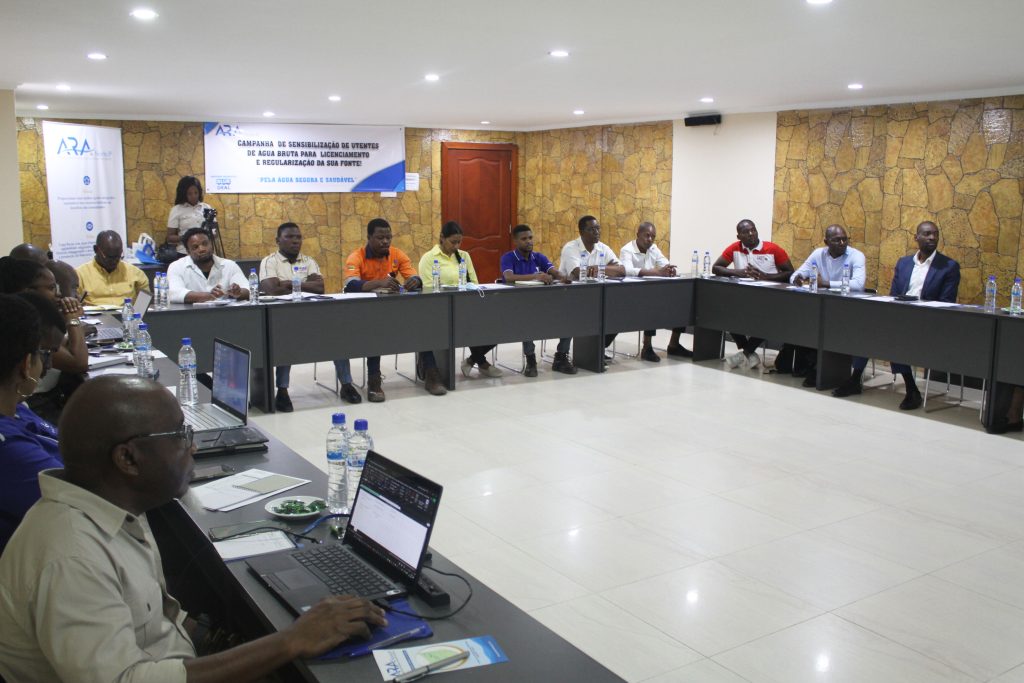
Focused on promoting “Safe and Healthy Water”, ARA Norte’s campaign focused on visiting farmers, industrial users, and private water providers to answer their questions, explain their legal obligations, and help them register on the spot. Supported by radio, TV, and community meetings, this hands-on approach built trust and led to a significant increase in licensing applications and compliance.

On the other hand, also aiming at behavioural change, ARA Centro,IP turned to radio campaigns to call for the licensing of water users in the three river basins under its authority and promote a better understanding of the ARAs' role.

Inclusive water management

It is estimated that the ARA Norte,IP and ARA Centro,IP campaigns reached well over 500,000 people across the river basins under their management. These campaigns broke down language barriers and social exclusion, with messages delivered through face-to-face interactions, radio and TV, in both the official language (Portuguese) and local dialects.

Expanded understanding of water governance and the road ahead

These campaigns prompted the need for increased engagement with communities and led to the application of new water users, who started to see the water licensing process not as bureaucracy, but as a necessary action to ensure its sustainable exploitation. Developing deeper community partnerships to support inclusive water governance and further identification of water users are key activities for ARAs Customer Service Departments. The Blue Deal partnership will continue working on these subjects with the ARAs, as they plan to carry on their communication activities and direct outreach for this year. 

Share this article

SIRHAs - a solution for registering and billing water users

The introduction of SIRHA, a digital water users information system developed by iCarto with support from Blue Deal and Galician Cooperation, has transformed the way Mozambican water authorities track water consumption, issue licences, and effectively engage with water users.

In this video, Teodomiro Cabral explains how ARA-Sul,IPis using the tool to automate processes across their different departments. 

Share this article

Sharing of knowledge between Mozambique and The Netherlands on the use of HydroNET and WEAP

As part of the Blue Deal partnership, Mozambican water authorities (ARAs) were trained in WEAP and HydroNET. Integrated into the GLOW project, these tools support real-time forecasting, scenario planning and improved responses to drought and flood risks.

In the video, Ernesto Tivane and David Mucambe, from ARA-Sul,IP, explain how these critical tools for data-driven water management are enabling local water authorities to anticipate and respond to droughts, floods and growing water demands.

Share this article

Enhancing climate resilience and water availability through sand dams in Mozambique

In certain areas of Mozambique’s central region, the climate is characterised by high temperatures and a lack of significant rainfall. These arid and semi-arid areas often face severe water scarcity that impacts drinking water supply, farming, and community health.

To address water shortages in the central region of Mozambique, the Central Regional Water Administration (ARA Centro,IP), in partnership with Songo Polytechnic Institute (ISPS) with the support of the Embassy of the Kingdom of the Netherlands in Mozambique, started the construction of sand dams. This type of dam was first introduced in Mozambique in 2007 by the Christian Council of Mozambique (CCM) and has proven to be an effective solution for improving water storage and water availability in the dry areas of Tete and Manica Provinces.

What are sand dams?

Sand dams are small structures designed to retain water and sand, built in a watercourse with a high capacity for transporting sandy soils. In this type of dam, the water is stored underground, in the spaces between the sand grains. This reduces water loss due to evaporation.

The underground water is usually extracted through a scoop hole or a hand pump. The first method is more common in Tete, but the water can be polluted by animals.

Other great benefits are associated with sand dams: they help to improve access to clean water (as the sand acts as a natural filter), reduce the risk of water contamination, and also help to reduce the mosquito population.

The costs of constructing a sand dam are typically low because of the use of locally available materials and the involvement of the local community.

Community engagement in water storage

Engaging communities in the development of water storage solutions is crucial for sustainable water management in areas facing water scarcity. ARA Centro,IP and ISPS have been working with members of the communities that benefit from sand dams in all stages of the planning, construction, and maintenance process. This approach increases community ownership and improves the relationship between local communities and the public and private entities.

Promoting the construction of sand dams

ARA Centro,IP has been building sand dams as part of the activities of the Dutch Embassy’s IWRM programme in Mozambique. The Blue Deal partnership is working with ARA Centro,IP and ISPS to share knowledge and experience in the construction of this type of infrastructure with the other ARAs.

In a Community of Practice of Water Storage set up by our partnership, representatives from each ARA and DNGRH meet regularly to discuss planning, construction, and maintenance of sand dams among other subjects in the field of water storage.

The partnership is also helping to set up a Centre of Excellence (CoE) for Water Storage in ARA Centro,IP (Tete). This CoE will share knowledge and spread the word about this topic to professionals in the water sector, students, and the general public.

Share this article

Active and more visible: ARAs exchange knowledge in the field of communication in Mozambique

In 2021, a network was set up to share knowledge in the field of communication. The network is part of Component 3 of the Blue Deal Mozambique partnership and involves the communication teams of the three ARAs (ARA-Centro,IP, ARA-Norte,IP and ARA-Sul,IP) and experts from DWA. Since 2021, there has been a continuous exchange of knowledge in the field of communication, with two live meetings and training sessions on various topics. The ARAs have developed various communication activities, including awareness campaigns for water users licensing. The results are promising.

Communication activities

The activities carried out by the ARAs include: licensing campaigns; the renewal of the ARA Sul website, which now allows requesting permits online; the production of radio programmes and TV spots; participation in FACIM; sponsored posts on social networks and text messages by phone (in the event of a flood alert). There was also the acquisition of a drone and a training course on its use for the technical and communication departments of ARA Sul,IP.

Licensing campaigns

ARA Sul,IP and ARA Norte,IP carried out licensing campaigns for groundwater users and were able to increase the number of new permits (and thus increase the financial return). In addition to Facebook, radio, and bulk SMS campaigns, field visits were carried out to survey unregulated users and identify and license new raw water users. ARA Centro,IP produced an institutional video and shared its experience of using a 5-step debt negotiation plan with the other ARAs.

Knowledge-sharing

In addition to the online meetings to coordinate and discuss communication strategies and activities, two live meetings were organised to maximise knowledge sharing. The first meeting was held in Nampula (at ARA Norte, IP) in 2022 and another in Tete (at ARA Centro, IP) in 2023. At each meeting, experts from the ARAs and DWA made presentations on various topics, including water management and communication in the Netherlands, communication planning and strategy, key messages, target group analysis, press relations, social media strategies, user relations, and internal communication and its importance for the development of the ARAs. A field trip was included in the programme of each meeting.

Media training

A media training session was held in October 2023 for the ARA Sul,IP General Director, Head of Divisions, and the communication team. The participants underwent test interviews with a television camera crew led by journalist Jeremias Langa.

The interviews were then viewed and critiqued by the participants from ARA Sul,IP. The theoretical part of the course covered topics such as the media landscape in Mozambique, tips for preparing interviews, and crisis management. The practical part also included a simulation of a press conference in which the General Director of ARA Sul,IP announced a flood.


The ARAs are already working on communication activities for 2024. The next live meeting is planned for early 2025.

Share this article