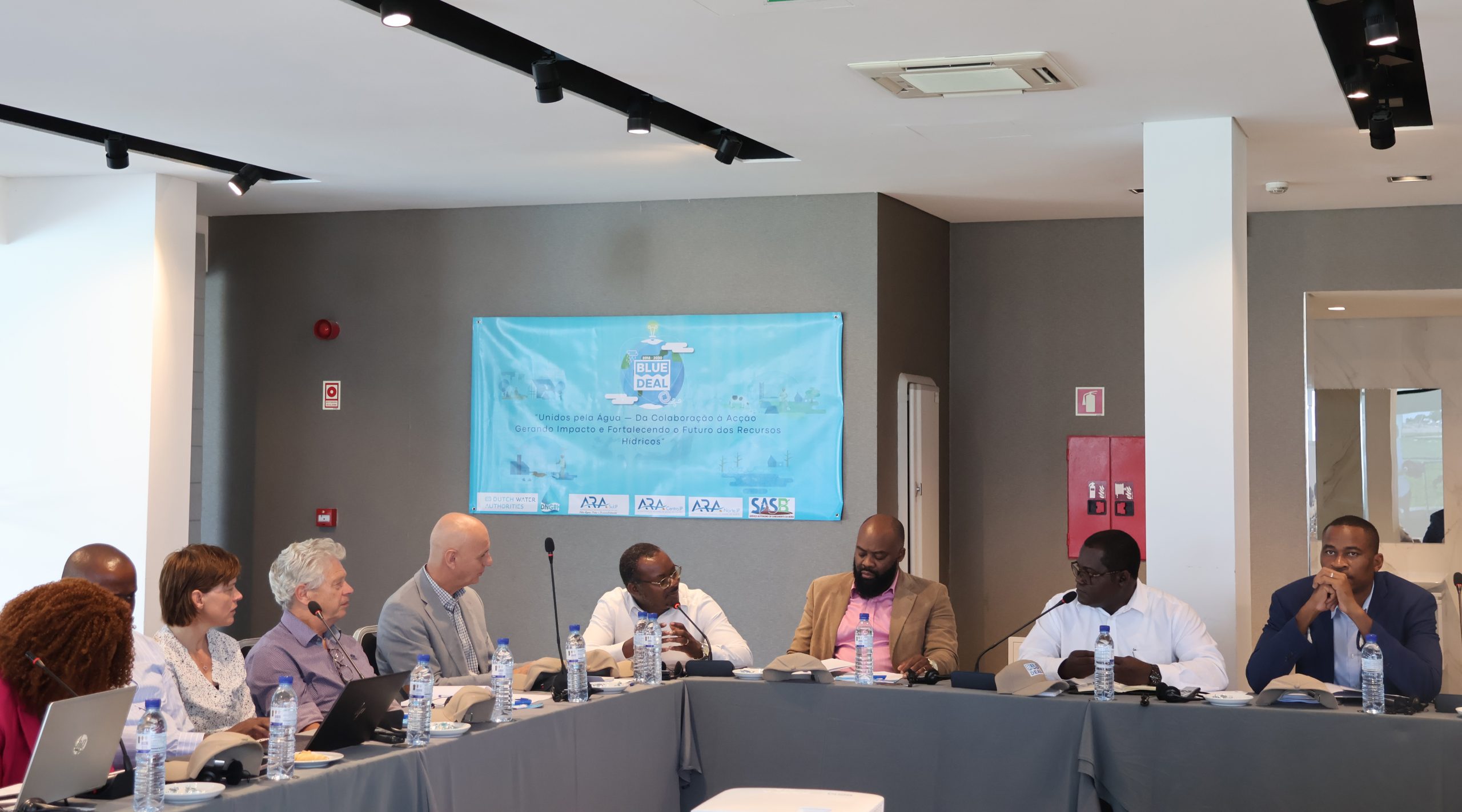
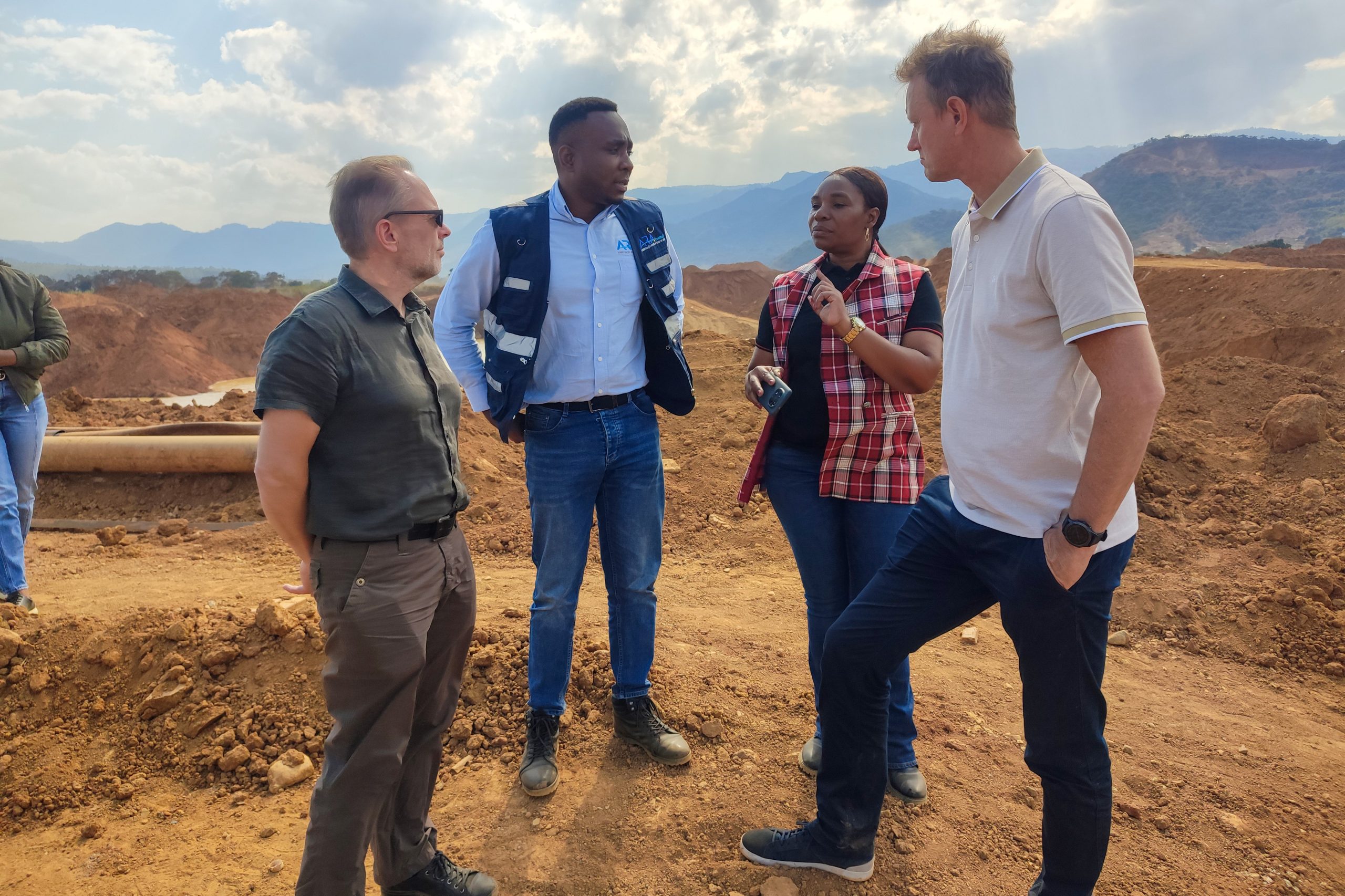
The ARAs play an important role in water quality management. Among their various tasks, these organisations are responsible for regularly testing and monitoring water quality and ensuring compliance with standards and guidelines for maintaining water quality.
Regular monitoring is the basis for good water quality management. This continuous process ensures an understanding of the pollution levels of the different water sources (surface or groundwater), allowing the identification of pollutants, the formulation of plans and the implementation of programmes and strategies to preserve water quality. As this subject is of great importance to the ARAs and the DNGRH, our partnership has promoted training (blended learning days) on water quality monitoring and the sharing of information (reports) with stakeholders.
The Blue Deal also promotes the development and exchange of knowledge on innovative monitoring methods, whether for physical, chemical or bacteriological parameters of water.
2. Licensing and Enforcement of Effluent Discharge
The licensing and enforcement processes for effluent discharge ensure that communities have access to clean and safe water and that the environment and health are protected. In Mozambique, the Blue Deal promotes collaboration between the organisations involved in the process of licensing and enforcement of effluent discharge through a community of practice and meetings to discuss the legal and operational aspects of the issue.
Through the development of pilot projects, we are also helping to improve relations between the parties involved. In this way, we hope to better protect water quality in the face of the country's population growth and economic development.
3. Multidisciplinary projects
Managing multidisciplinary projects requires coordination and collaboration between organisations with different interests and perspectives. These projects require effective communication and consensus building between stakeholders - from the public sector, the private sector, civil society and communities.
To ensure the sustainable use of land and water resources, the Blue Deal promotes the dissemination of the lessons learned from the "Nhartanda Verde" project (developed by ARA Centro) to other initiatives.