In August 2025, a team of experts from the Dutch Water Authorities (DWA) returned to Mozambique to continue their work on improving water quality and enforcement. This mission was part of Component 2 of the Blue Deal programme, which focuses on water quality, licensing and enforcement of effluent discharge. The main purpose of this visit was to address the urgent challenges posed by gold mining in central Mozambique.
Approaching an old problem through local collaboration
A central theme of this visit was the ongoing collaboration aimed at mitigating the environmental impact of gold mining in the Buzi and Pungwe river basins. This initiative is part of a long-term strategy involving the DWA, ARA-Centro,IP, and many other stakeholders.
Under the Blue Deal, the cooperation to address this issue began in 2023 with an initial meeting that brought together government entities, universities and mining companies. This was followed by a second major meeting in 2024, which led to the establishment of a dedicated “Gold Mining Taskforce” in the first half of 2025.
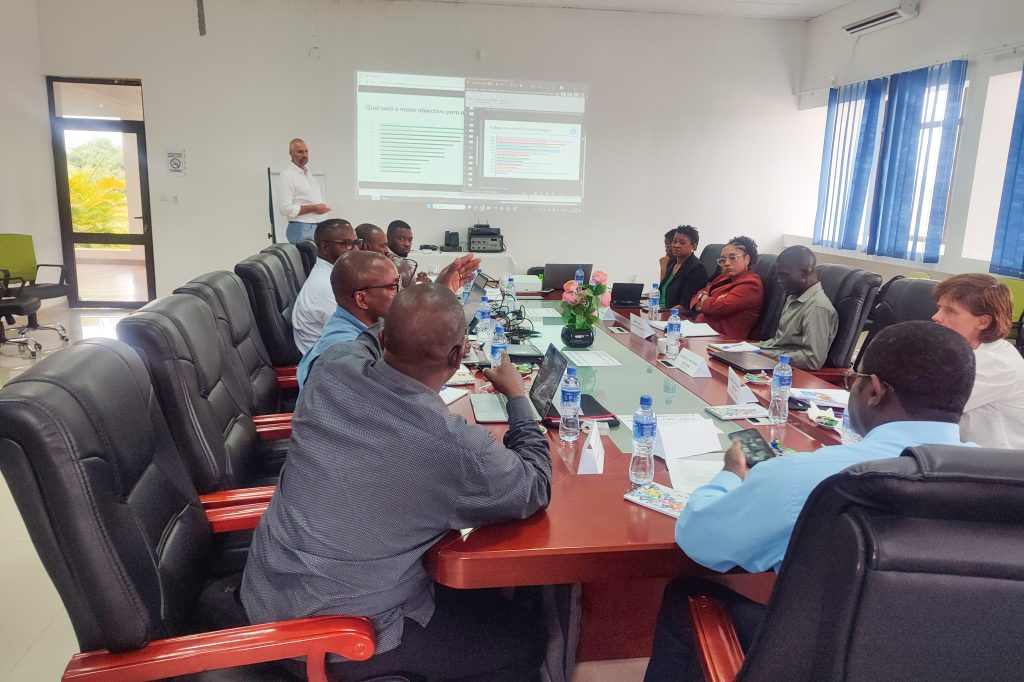
During the last visit in August, two meetings were held in Chimoio (ARA-Centro Buzi Division) and Gorongosa (ARA-Centro Pungwe Division), which brought these stakeholders together again.


Moving from planning to action
The focus has now shifted decisively from strategic meetings to practical actions. The “Gold Mining Taskforce” is nurturing and implementing its action plan to regulate mining activities and protect water quality, especially in the Buzi river basin where the situation is alarming. To ensure continued coordination among all local stakeholders, ARA-Centro will temporarily take the lead in the group's operational activities.


Licensing and enforcement as tools for environmental defence
One of the key takeaways from previous missions and workshops was the critical role of effluent discharge licensing in environmental management. The DWA team continues to emphasize that a license is not just an administrative fee, but a powerful regulatory tool that can contribute to minimize the environmental impact of gold mining.
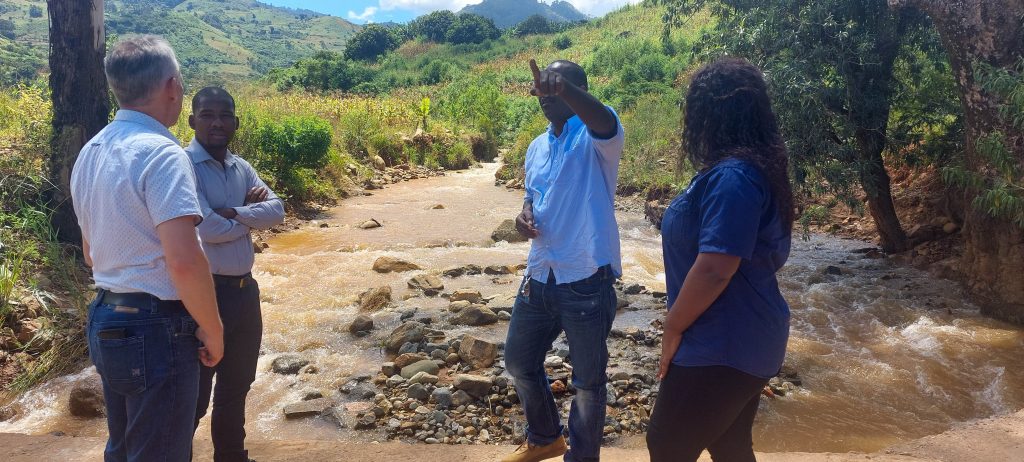
Field visits to mining sites in Manica in August highlighted the difference this could make. While some operators are investing in water recycling and environmental safety measures, others are lagging behind. By implementing strict licensing and enforcement measures, ARA-Centro can encourage the industry to be aware of the environmental impact of their businesses, thereby ensuring that economic gains do not compromise surface water quality.


Building capacity for the future
Beyond the “gold mining” topic, the visit also focused on institutional development. In both Tete (ARA-Centro,IP) and Nampula (ARA-Norte), the team developed 5-year plans to make water quality laboratories more professional, with a focus on staffing, budgeting and ISO compliance.
The Blue Deal will continue to support the ARAs in implementing these plans to provide clean and safe water.