Author name: bdadmin

Enhancing climate resilience and water availability through sand dams in Mozambique

In certain areas of Mozambique’s central region, the climate is characterised by high temperatures and a lack of significant rainfall. These arid and semi-arid areas often face severe water scarcity that impacts drinking water supply, farming, and community health.

To address water shortages in the central region of Mozambique, the Central Regional Water Administration (ARA Centro,IP), in partnership with Songo Polytechnic Institute (ISPS) with the support of the Embassy of the Kingdom of the Netherlands in Mozambique, started the construction of sand dams. This type of dam was first introduced in Mozambique in 2007 by the Christian Council of Mozambique (CCM) and has proven to be an effective solution for improving water storage and water availability in the dry areas of Tete and Manica Provinces.

What are sand dams?

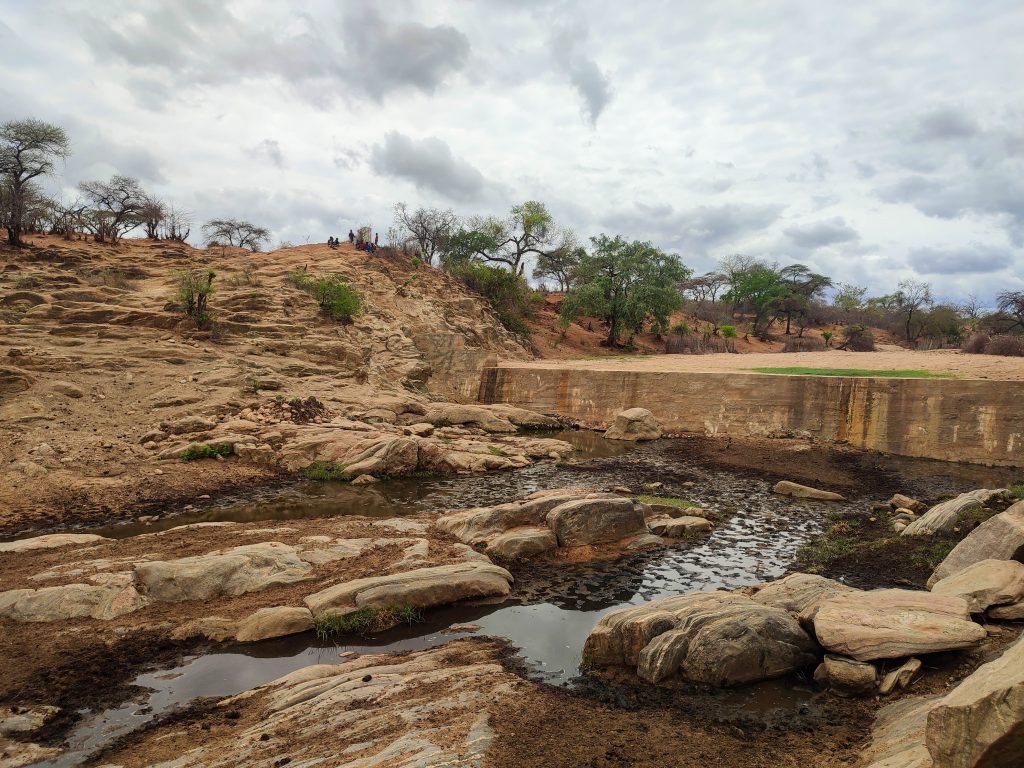
Sand dams are small structures designed to retain water and sand, built in a watercourse with a high capacity for transporting sandy soils. In this type of dam, the water is stored underground, in the spaces between the sand grains. This reduces water loss due to evaporation.

The underground water is usually extracted through a scoop hole or a hand pump. The first method is more common in Tete, but the water can be polluted by animals.

Other great benefits are associated with sand dams: they help to improve access to clean water (as the sand acts as a natural filter), reduce the risk of water contamination, and also help to reduce the mosquito population.

The costs of constructing a sand dam are typically low because of the use of locally available materials and the involvement of the local community.

Community engagement in water storage

Engaging communities in the development of water storage solutions is crucial for sustainable water management in areas facing water scarcity. ARA Centro,IP and ISPS have been working with members of the communities that benefit from sand dams in all stages of the planning, construction, and maintenance process. This approach increases community ownership and improves the relationship between local communities and the public and private entities.

Promoting the construction of sand dams

ARA Centro,IP has been building sand dams as part of the activities of the Dutch Embassy’s IWRM programme in Mozambique. The Blue Deal partnership is working with ARA Centro,IP and ISPS to share knowledge and experience in the construction of this type of infrastructure with the other ARAs.

In a Community of Practice of Water Storage set up by our partnership, representatives from each ARA and DNGRH meet regularly to discuss planning, construction, and maintenance of sand dams among other subjects in the field of water storage.

The partnership is also helping to set up a Centre of Excellence (CoE) for Water Storage in ARA Centro,IP (Tete). This CoE will share knowledge and spread the word about this topic to professionals in the water sector, students, and the general public.

Share this article

Asset management for improved flood management in Beira

Under the Blue Deal Partnership, the Beira Autonomous Sanitation Unit (SASB) is ambitiously working on introducing Asset Management principles in the operation of Beira’s drainage and sanitation systems. This initiative aims to enhance the efficiency, reliability, and sustainability of these essential systems, ultimately improving the quality of life for Beira's residents.

The Fundamentals of Asset Management

In March and November of 2023, the Blue Deal partnership in Mozambique ran training on Asset Management for the SASB team (and FACE Association). The training introduced the principles of asset management and established the basis for the operation and maintenance of SASB assets.

Inventory of Assets and Development of an Operation and Maintenance Plan

Since March 2023, SASB has been working on the inventory and coding of its assets. This process began with the main machinery and infrastructure, including canals, trucks, and pumps. Over the following years, the inventory and coding of assets will be expanded to include other SASB infrastructures, materials, and equipment.

In alignment with the SASB-PRO Programme (a combined programme from the Dutch Ministry of Foreign Affairs, EKN, RVO, VNG , and the Blue Deal for the improvement of SASB operational capacity), these activities will allow the establishment of a clear vision for the maintenance and operation of SASB assets, reducing the unforeseen costs associated with reactive maintenance.

Activities progress

In March of this year (2024), a working visit to Mozambique was organised, during which the team from our Component 5 and the VNG International team discussed the progress of the activities undertaken by SASB in this matter.

In June, the Blue Deal organised a workshop to develop a maintenance plan for Beira's drainage canals. Staff from different departments of the SASB participated. During the workshop, the theory of asset management was used to write the maintenance plan. In one week of training, discussion, and active writing, a 90% version of the maintenance plan was ready. The plan will be implemented in the second half of 2024. In the following years, the plan will be updated annually.

Further working visits and training are expected to be organised this year.

Share this article

Active and more visible: ARAs exchange knowledge in the field of communication in Mozambique

In 2021, a network was set up to share knowledge in the field of communication. The network is part of Component 3 of the Blue Deal Mozambique partnership and involves the communication teams of the three ARAs (ARA-Centro,IP, ARA-Norte,IP and ARA-Sul,IP) and experts from DWA. Since 2021, there has been a continuous exchange of knowledge in the field of communication, with two live meetings and training sessions on various topics. The ARAs have developed various communication activities, including awareness campaigns for water users licensing. The results are promising.

Communication activities

The activities carried out by the ARAs include: licensing campaigns; the renewal of the ARA Sul website, which now allows requesting permits online; the production of radio programmes and TV spots; participation in FACIM; sponsored posts on social networks and text messages by phone (in the event of a flood alert). There was also the acquisition of a drone and a training course on its use for the technical and communication departments of ARA Sul,IP.

Licensing campaigns

ARA Sul,IP and ARA Norte,IP carried out licensing campaigns for groundwater users and were able to increase the number of new permits (and thus increase the financial return). In addition to Facebook, radio, and bulk SMS campaigns, field visits were carried out to survey unregulated users and identify and license new raw water users. ARA Centro,IP produced an institutional video and shared its experience of using a 5-step debt negotiation plan with the other ARAs.

Knowledge-sharing

In addition to the online meetings to coordinate and discuss communication strategies and activities, two live meetings were organised to maximise knowledge sharing. The first meeting was held in Nampula (at ARA Norte, IP) in 2022 and another in Tete (at ARA Centro, IP) in 2023. At each meeting, experts from the ARAs and DWA made presentations on various topics, including water management and communication in the Netherlands, communication planning and strategy, key messages, target group analysis, press relations, social media strategies, user relations, and internal communication and its importance for the development of the ARAs. A field trip was included in the programme of each meeting.

Media training

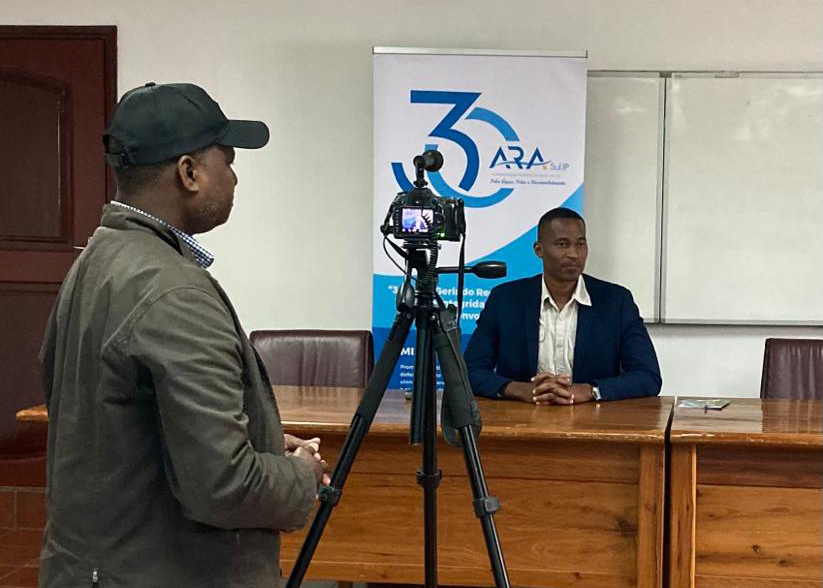
A media training session was held in October 2023 for the ARA Sul,IP General Director, Head of Divisions, and the communication team. The participants underwent test interviews with a television camera crew led by journalist Jeremias Langa.

The interviews were then viewed and critiqued by the participants from ARA Sul,IP. The theoretical part of the course covered topics such as the media landscape in Mozambique, tips for preparing interviews, and crisis management. The practical part also included a simulation of a press conference in which the General Director of ARA Sul,IP announced a flood.


The ARAs are already working on communication activities for 2024. The next live meeting is planned for early 2025.

Share this article

Tackling gold mining issues in the Buzi and Pungwe Basins

The Buzi and Pungwe basins in Mozambique are facing several problems, largely due to gold mining activities. The impact of these activities has resulted in water pollution caused by the improper treatment and discharge of wastewater from gold mining. This issue became a major concern for ARA-Centro,IP and environmental organisations working in the central region of Mozambique.

An old problem

For several decades, the border of Mozambique and Zimbabwe has been known for gold mining. The increase in mining activity in the region has led to an increase in the illegal discharge of wastewater, resulting in water pollution. Gold mining in this area is associated with negative impacts on water management, public health, the environment, and other spheres.

Licensing and Enforcement of effluent discharge to reduce water pollution

Effective water quality management is essential to ensure adequate sanitation and access to clean water by the local community. As the organisation responsible for water quality management in the region, ARA Centro started to tackle the gold mining challenges in the Buzi and Pungwe basins.

Under the Blue Deal partnership, ARA Centro is starting to work on licensing the gold mining companies in the central region of Mozambique for wastewater discharge. This work is starting within the Buzi basin and will be extended to the Pungwe basin after favourable results are achieved.

Increased awareness among businesses and the Government

ARA Centro’s intervention is focused on raising awareness among gold mining companies on licensing requirements and best practices for wastewater discharge. In addition to these actions, there is also a strong interest in raising discussions concerning this topic at the highest level of Mozambique’s government to not only end illegal wastewater discharges and improve water quality but also fight back against all the other socio-economic and environmental problems related to gold mining in the region.

Stakeholder Meetings

In 2023, a live meeting was organized by the Blue Deal partnership to streamline a project plan and collect inputs from several stakeholders, including private companies in the region, to address the gold mining issue. This year, the activity is continuing with additional online and live stakeholder meetings, an inventory of mining companies in the area, and the development of a water quality monitoring plan by ARA Centro.

While the challenges associated with gold mining activities in the Buzi and Pungwe basins are old, the current collaborative intervention between ARA Centro and other private and public entities provides hope for a sustainable solution.

Share this article

SASB and FACE work on improving faecal sludge management in Beira

An important element in the combined Dutch program (Dutch Ministry of Foreign Affairs, EKN, RVO, VNG, and Blue Deal) is the implementation of several activities in the city of Beira. These activities include social and technical interventions, intending to improve the services provided by the Beira Autonomous Sanitation Unit (SASB) to the community and facilitating its institutional strengthening.

During phase 1, the Blue Deal partnership collaborated with the SASB and the Municipality of Beira to identify a pilot area for the installation of a second Faecal Sludge Transfer Station. Further discussions and evaluations in 2023 highlighted the need to focus on improving the management and operation of the existing station built under the Frisian Urban Sanitation Programme in Beira (2014–2018) rather than building a second Faecal Sludge Transfer Station (FSTS). in Beira (2014-2018) - instead of building a second Faecal Sludge Transfer Station (ETLF).

Monitoring and operation of the faecal sludge transfer station

SASB and FACE Association have been monitoring the operation of the existing FSTS. The activities carried out by these two organisations are focused on establishing an efficient operation of the FSTS by optimising the management of the facilities and increasing the uptake by service providers. Additionally, the activities aim to support and strengthen small and medium-sized pit suction companies encouraging good practices and quality standards that meet the sanitation needs of the community. Lastly, SASB and FACE Implement awareness-raising activities to promote the importance of sanitation and proper feacal sludge management, while also highlighting the services provided by the private companies.

Challenges and Changes in the FSTS Operations

In 2023 changes in the operations of the pit suction companies and seasonal variations were significant, directly affecting the volumes delivered to the FSTS. The FSTS operation was also impacted by other factors such as the ceased operation of 3 private companies – which reduced the quantity of sludge received, a negative cost perception, and the adoption of alternative septic tank emptying practices.

Inadequate emptying practices by private companies, failure to follow standard operating procedures, lack of knowledge about available services on the part of the population, as well as inadequate solid waste management and lack of organizational structure by manual emptying practitioners also constitute challenges in the operation of the FSTS.

Community Awareness

The evaluation of the FSTS operation revealed the importance of community awareness as one of the solutions for its effective functioning. These awareness campaigns will contribute to the abandonment of inappropriate practices from private companies as well as the population and improve the relationship between these two parties.

Through the BD partnership, FACE was able to recruit and train activists to promote good practices when managing faecal sludge and also promote the services provided by the FSTS at the community level. It’s becoming increasingly clear that effective communication about the services provided by the FSTS is crucial for gaining community acceptance and encouraging active participation of the community and private companies.


The activities related to the operation of the FSTS will continue this year as SASB and FACE play a significant role in improving water management and sanitation in Beira.

Share this article

Signing for Phase 2 of Blue Deal Partnership Mozambique

The Dutch Water Authorities (DWA) and the Regional Water Authorities (ARAs) in Mozambique have signed the memoranda of understanding (MoUs) towards the implementation of the second phase of the Blue Deal Programme (2023 – 2030).

The memoranda of understanding (MoUs) were signed by Luzette Kroon, chair of the Blue Deal programme, alongside the directors of the 3 ARAs.

The signing strengthens cooperation between the Netherlands and Mozambique in Integrated Water Resources Management (IWRM), focusing on water quality, availability, flood and drought risk management, and climate change.

The MoUs signing ceremony was attended by Luzette Kroon, Geert-Jan ten Brink, president of the Dutch water authority Hunze en Aa’s, Ivo van Haren, the First Secretary for Water and Sanitation of the Dutch embassy in Mozambique, as well as the directors and technicians of the ARAs. During the ceremony, Kroon highlighted the challenges and successes of the first phase, including capacity building, staffing of the ARAs, and the development of hydrological models.

ARAs’ satisfaction and support

The ARAs expressed satisfaction with the progress of the partnership and confirmed their support for the shared goals and objectives. As key stakeholders in water resources management in Mozambique, they recognise the importance of continuous collaboration, planning, and communication for the success of Phase 2 of the Blue Deal partnership.

Cooperation with Dutch embassy and new IWRM programme

The ceremony also highlighted cooperation between the Blue Deal programme and the Dutch embassy in Mozambique, particularly through its new IWRM programme.

As the second phase of the Blue Deal unfolds, the signing of the MoUs represents a significant milestone in strengthening cooperation between the Netherlands and Mozambique in the field of IWRM.

Insights from the visit

The ceremony took place during a work visit by a DWA delegation, in January, providing insights into infrastructure management and activities of ARA Sul and the SASB.

The delegation learned more about the activities being developed by these 2 partners with the support of the Blue Deal. After this visit, they gained a deeper understanding of the challenges and the measures undertaken for water quality control, flood and drought risk management, sanitation, and climate change adaptation.

Originally published in: https://dutchwaterauthorities.com/news/signing-for-phase-2-of-blue-deal-partnership-mozambique/

Share this article

DWA delegation visits Mozambique for the Blue Deal programme

In January 2024, a delegation from Dutch Water Authorities (DWA) visited Mozambique to witness the progress of the Blue Deal partnership in the country. This visit marked a crucial milestone in strengthening water management and climate change mitigation efforts in the country. By fostering partnerships and sharing knowledge, countries can work together to develop sustainable water management solutions for the benefit of present and future generations.

Visit to ARA Sul Infrastructures

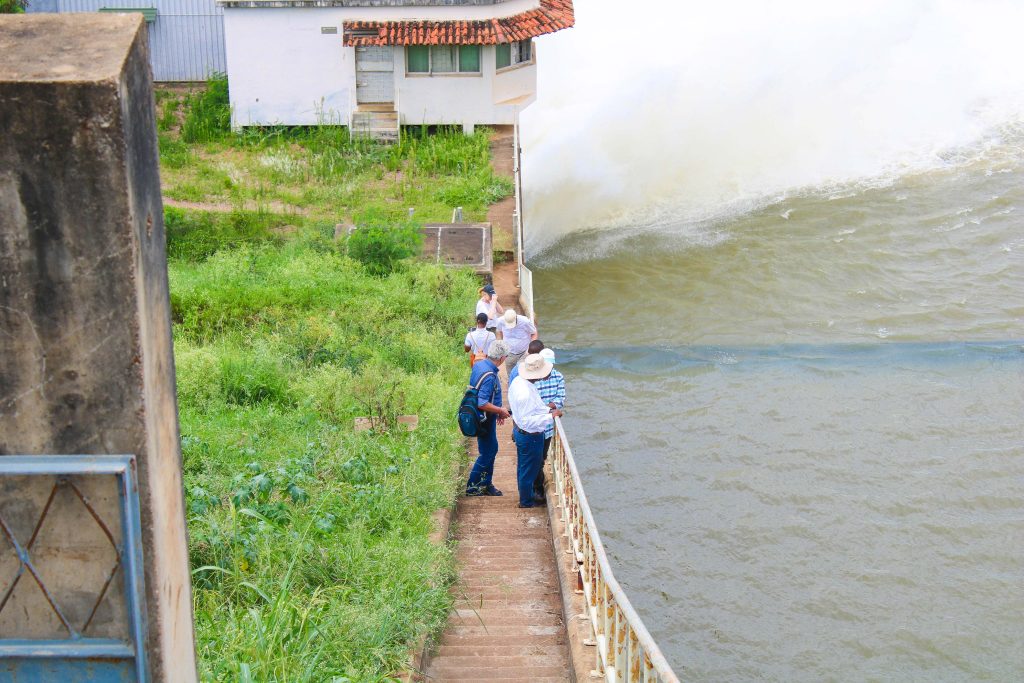
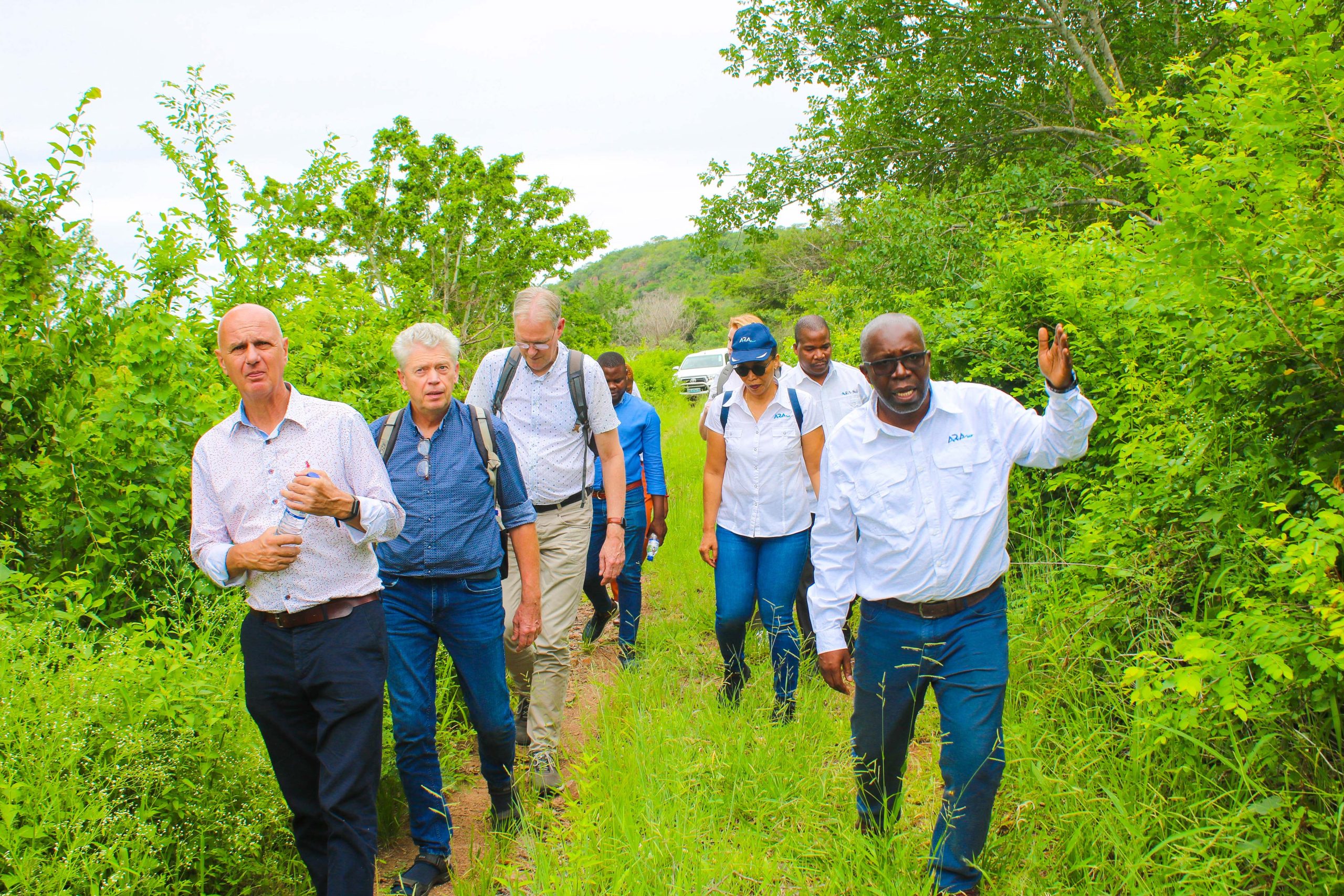
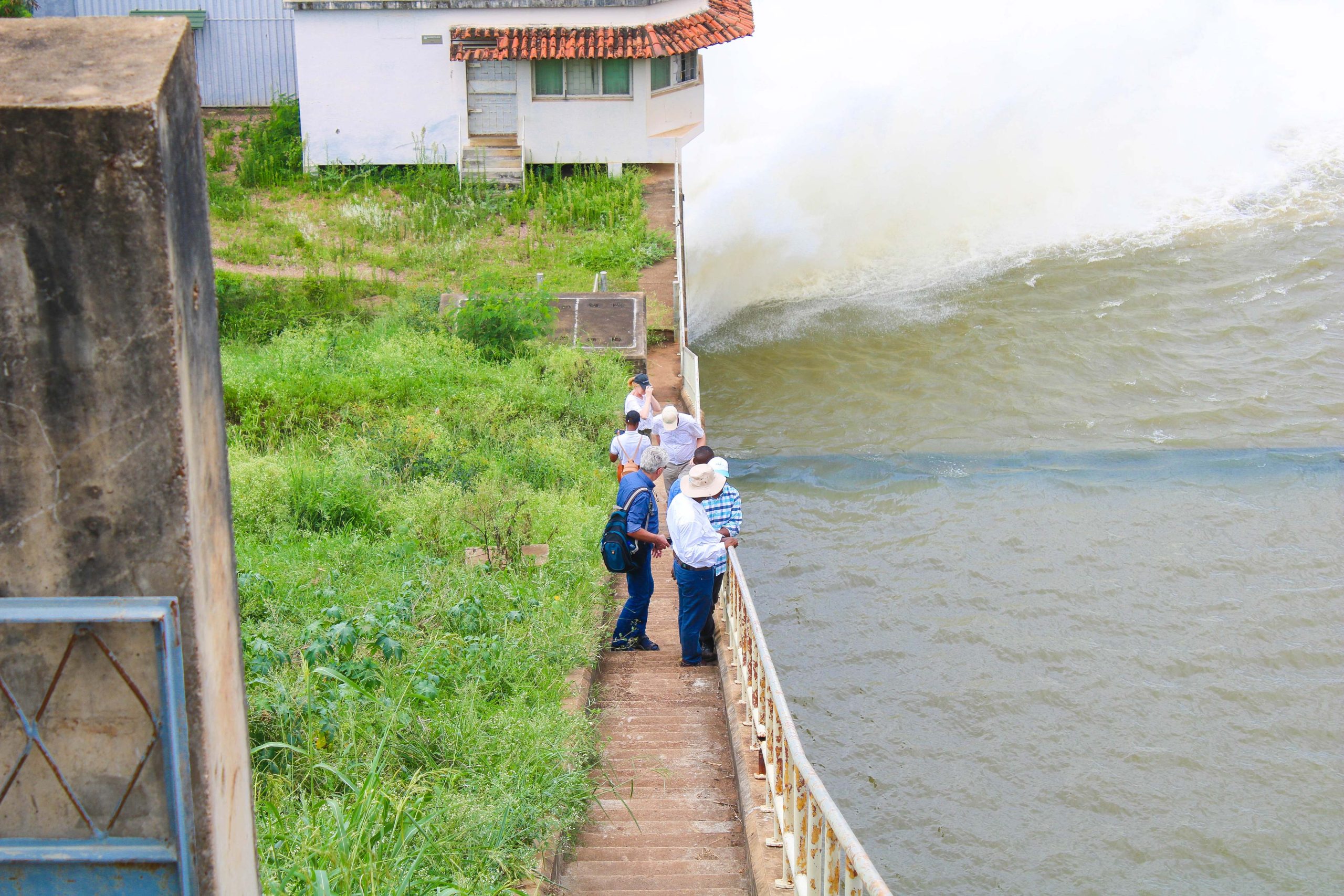
On January 16, the delegation had the opportunity to explore the Goba telemetry station and the Pequenos Libombos Dam. The visit to these 2 infrastructures shed light on the challenges faced by ARA Sul when working with regional entities and the adjustments needed to respond to climate change.

The flaws in the regional agreements between Mozambique, Eswatini and South Africa, inconsistent data sharing (particularly during drought and rainy seasons), and limited resources were identified as primary hurdles towards sustainable water management in the region. It is evident that the Blue Deal programme’s support, alongside organisations and conferences such as REMCO and INMACOM, can play a pivotal role in strengthening the cooperation between the 3 countries and ensure reliable flood and drought risk management.

Visit to ARA Sul headquarters

On January 17, the DWA delegation engaged in a meeting with ARA Sul’smanagement team. This water authority is actively involved in various topics within the partnership, such as water quality management, flood risk management (including dike management and early warning systems), groundwater modelling, and licensing of water users. Through ARA Sul and the other partners, the Mozambican partnership draws attention to the need for proactive measures to mitigate the devastating impact of floods in the country.

Signing of MoUs

On January 18, the Mozambican partnership celebrated the signing of the Memoranda of Understanding (MoUs) for Phase 2 of the Blue Deal programme. This MoU solidifies the commitment of all parties involved to continue working together towards water-related challenges and climate resilience.

Meeting with the Mozambican Minister of Public Works, Housing and Water Resources

In order to reinforce the Dutch support for Mozambique in water management, sanitation, and climate change issues, the DWA delegation had a meeting with the Mozambican Minister of Public Works, Housing and Water Resources (Carlos Mesquita), the Ambassador of the Kingdom of the Netherlands to Mozambique (Elsbeth Akkerman), and the First Secretary for Water and Sanitation of the Dutch embassy in Mozambique (Ivo van Haren). This meeting highlighted the shared vision of both nations in addressing critical water management issues and reaffirmed the Dutch commitment to provide technical expertise, financial aid, and capacity-building support to Mozambique.

Impact of climate change and sea level rise in Beira

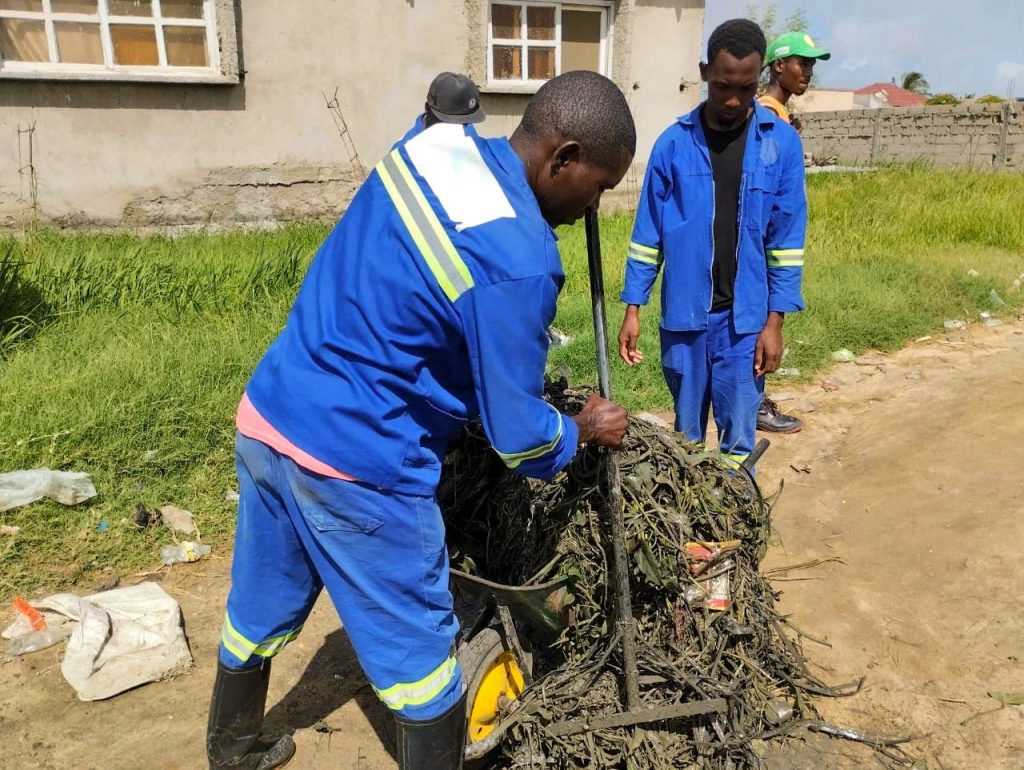
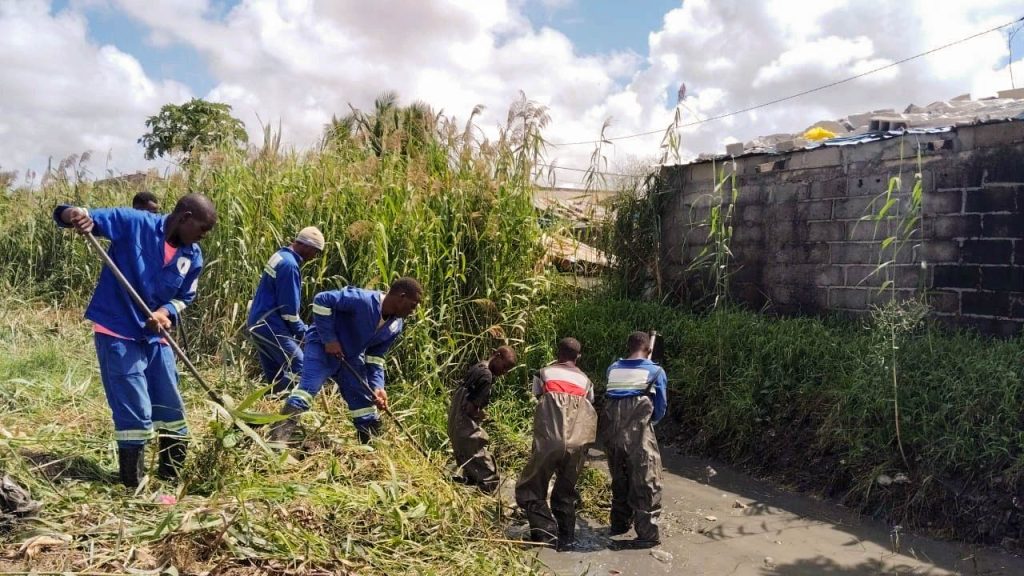
The delegation’s work visit concluded with their travel to Beira, where they worked with the Municipality of Beira. Through the SASB (Beira Autonomous Sanitation Service), the partnership is assisting the Municipality of Beira in addressing issues concerning the operation and maintenance of the drainage system and cleaning of the urban canals. These actions are of great importance at a time in which the city is severely affected by the impacts of climate change and sea level rise.

The Blue Deal partnership is facilitating a continuous exchange of knowledge between the 2 countries that started almost 10 years ago through the partnership between the Dutch water authority Hunze en Aas and the Municipality of Beira.

Originally published in: https://dutchwaterauthorities.com/news/dwa-delegation-visits-mozambique-for-the-blue-deal-programme/

Share this article

Licensing and enforcement of discharges in relation to Water Quality (component 2)

For the Blue Deal Mozambique, Robert Boonstra and Bert Jager are working on licensing and enforcement of discharges. These topics are part of Component 2 of the Blue Deal Partnership, concerning water quality.

In April we held a first Skype meeting with our Mozambican colleagues to discuss the ideas for the pilots at the 3 ARAs. We are now several consultations further and have defined almost all the pilot areas. The next step is to conduct research into the licensing and enforcement of discharges and their effect in the pilot areas.

The purpose of this is to get an image of the current local situation, where things are going well, and if there are gaps in knowledge, cooperation or implementation. If there are gaps on a local scale we expect them also for the whole area of the ARA. It is expected that there will be a lack of cooperation and knowledge sharing between the various governmental organizations. These opportunities to improve will be presented in the planned workshop in November 2021. This workshop will also be attended by other governmental organizations. During this workshop, we will make a start for a strategic action plan for improvement.

Share this article

Small water storages in the central region in Mozambique (component 3)

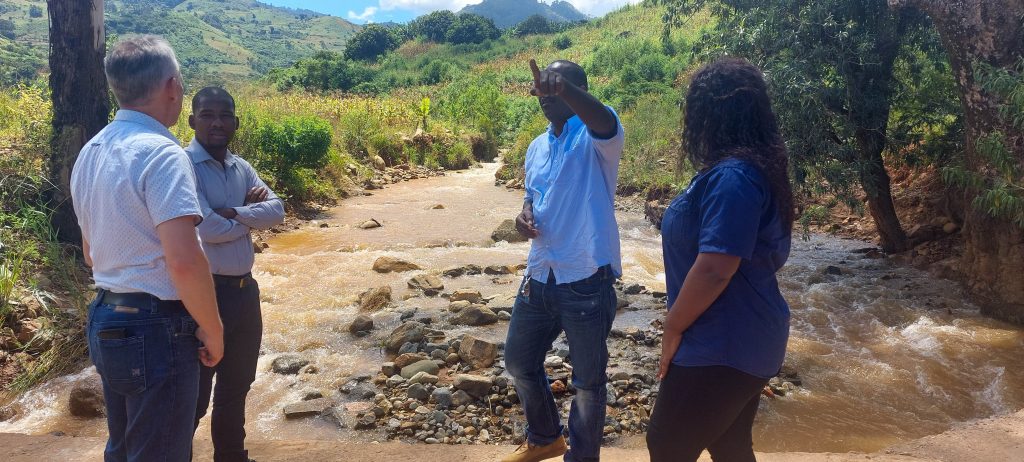
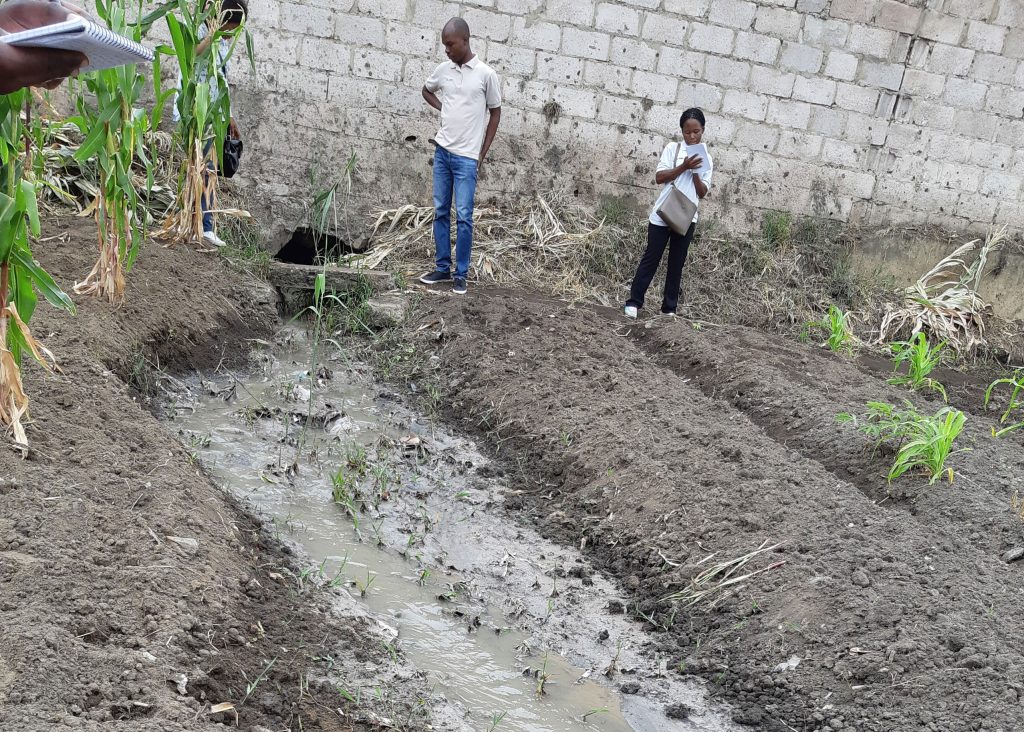
As part of the water allocation (Component 3), aiming to contribute to the improvement and innovation of the selection, construction and maintenance of small water reservoirs, a fieldwork mission took place in June 2021 in Manica and Sofala Provinces within the Pungue and Buzi basins. Two technicians of ARA Centro, a consultant from Resilience, a program partner and the program officer were part of the mission.

During the 5 days of fieldwork local government offices, agricultural fields and hydraulic infrastructure were visited to understand different water storage solutions in the region. The results of the field mission served as input for the E-learning module 4 being prepared under the cooperation of the Blue Deal with the Orange Knowledge Program (OKP).

Module 4 is a knowledge-sharing activity on water storage techniques and structures to increase water availability which will target ARA Centro technical staff and staff of NGOs involved in the process of operation and maintenance of water storage structures in order to draw up a water allocation plan for 2 pilot areas located in the districts of Nhamatanda and Vanduzi in the Pungue and Buzi basins.

Share this article

Licensing and billing of water users (component 3)

In 2021, we continued the activities to introduce the software tool SIRHA of iCarto for licencing and billing of water users within the ARAs. Amongst others, the monthly “debate group" meetings were continued

ARA Sul has used this tool since 2019 and the efficiency of the working process for licensing and billing increased dramatically. As a result, ARA Sul now has a better view of the total water use, and the revenues from water users increased. Now, fewer errors in data exist and less time is spent on the process. The video in this link https://youtu.be/AI8qQSWp84c explains these improvements.

In 2020/2021, the former five ARA’s merged into three ARA’s. In addition, the department structure changed. Now the SIRHA tool has to be adapted to this new situation and the databases of water users have to be joined. More training in the use of SIRHA will be organised for ARA Centro and ARA Norte. For this work, a new assignment for iCarto for the coming year will be prepared.

Last year a prototype was developed to integrate the data of water users in the SIRHA tool with the water allocation model (WEAP) to facilitate the hydrological assessment of new requests for water use.

ARA Sul has to send 1000-1500 bills to water users every month. To improve the efficiency of this process, a prototype was made for the integration of the SIRHA data with the billing software Primavera. In the coming year, these two prototypes will be used in the working processes of ARA Sul and will be evaluated. A new pilot will be started in ARA Sul to use satellite images to find water users and a test will be done with e-learning course online requests for a licence by new water users. After a positive evaluation of these new tools, we intend to introduce these new tools in the other two ARAs.

Under the first objective of the water allocation component, aiming to improve the process of licensing and billing, a term of reference was developed by Blue Deal with the input of all the ARA’s for the continuation of the work performed by iCarto for the development and operation of SIRHA. On May 28, 2021, the last monthly meeting of the Debate Group moderated by Anton Amado took place via Skype, where new priorities were defined by each ARA for the continuation of the partnership with iCarto. The following 4 priorities were defined: tasks for unification and restructuring, training, follow-up, support and debate, identified improvements in the system and prototype developments.

Share this article