Technical and institutional strengthening of the SASB
Extreme storms and sea-level rise are serious threats to the city of Beira. During the rainy season, Beira suffers from flooding and the spread of waterborne diseases due to poor urban drainage and sanitation systems.
The city's rapid population and economic growth pose significant challenges to managing its sanitation and drainage systems, which require urgent expansion and increased maintenance.
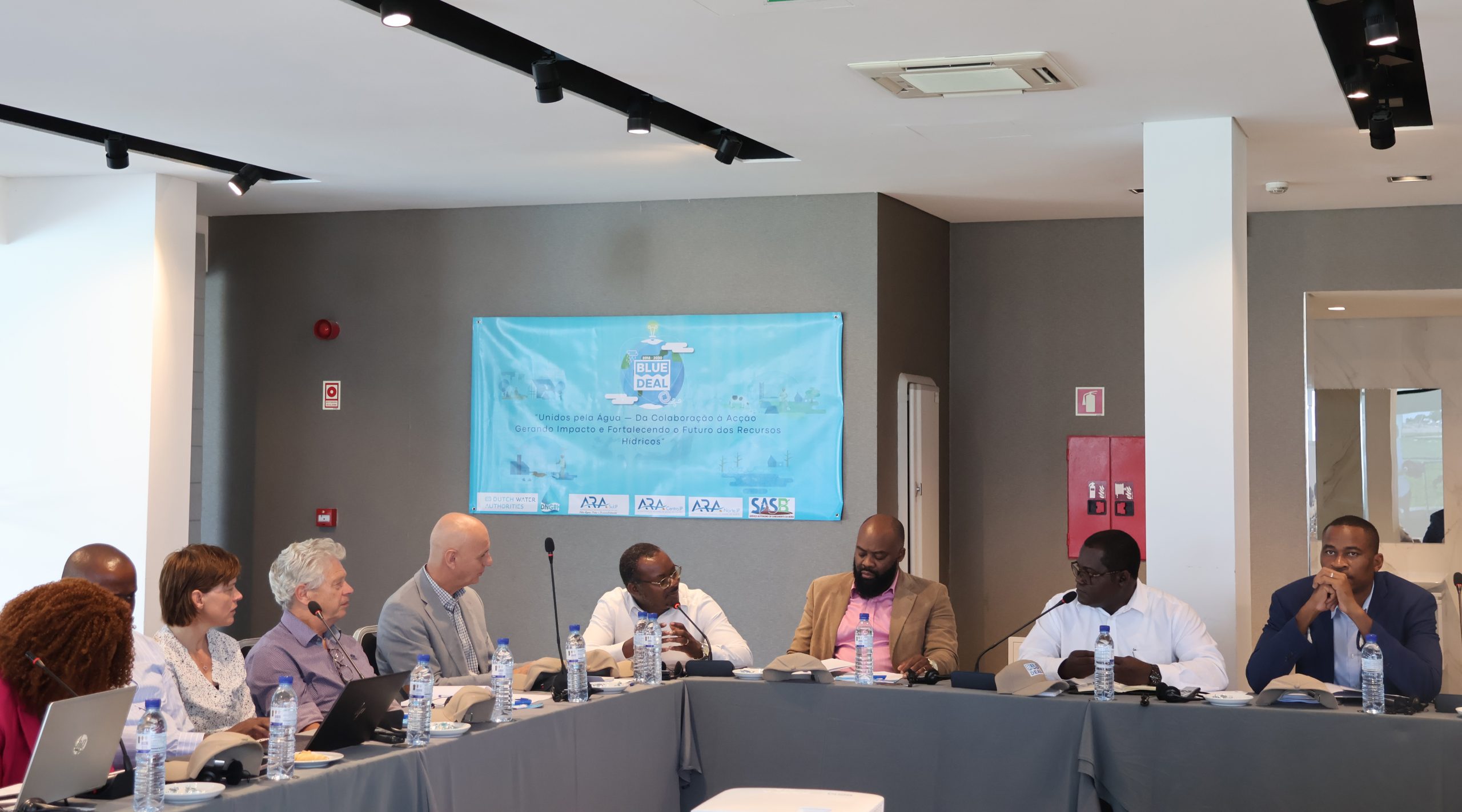
The Beira Autonomous Sanitation Department (SASB) is the organisation responsible for the day-to-day management and operation of the drainage system in the city of Beira. We've been working with the Ministry of Foreign Affairs of the Kingdom of the Netherlands, the Embassy of the Kingdom of the Netherlands in Mozambique, the RVO (Netherlands Enterprise Agency) and the SASBPRO programme (VNG) to support the SASB in improving the management of Beira's sanitation and drainage systems.
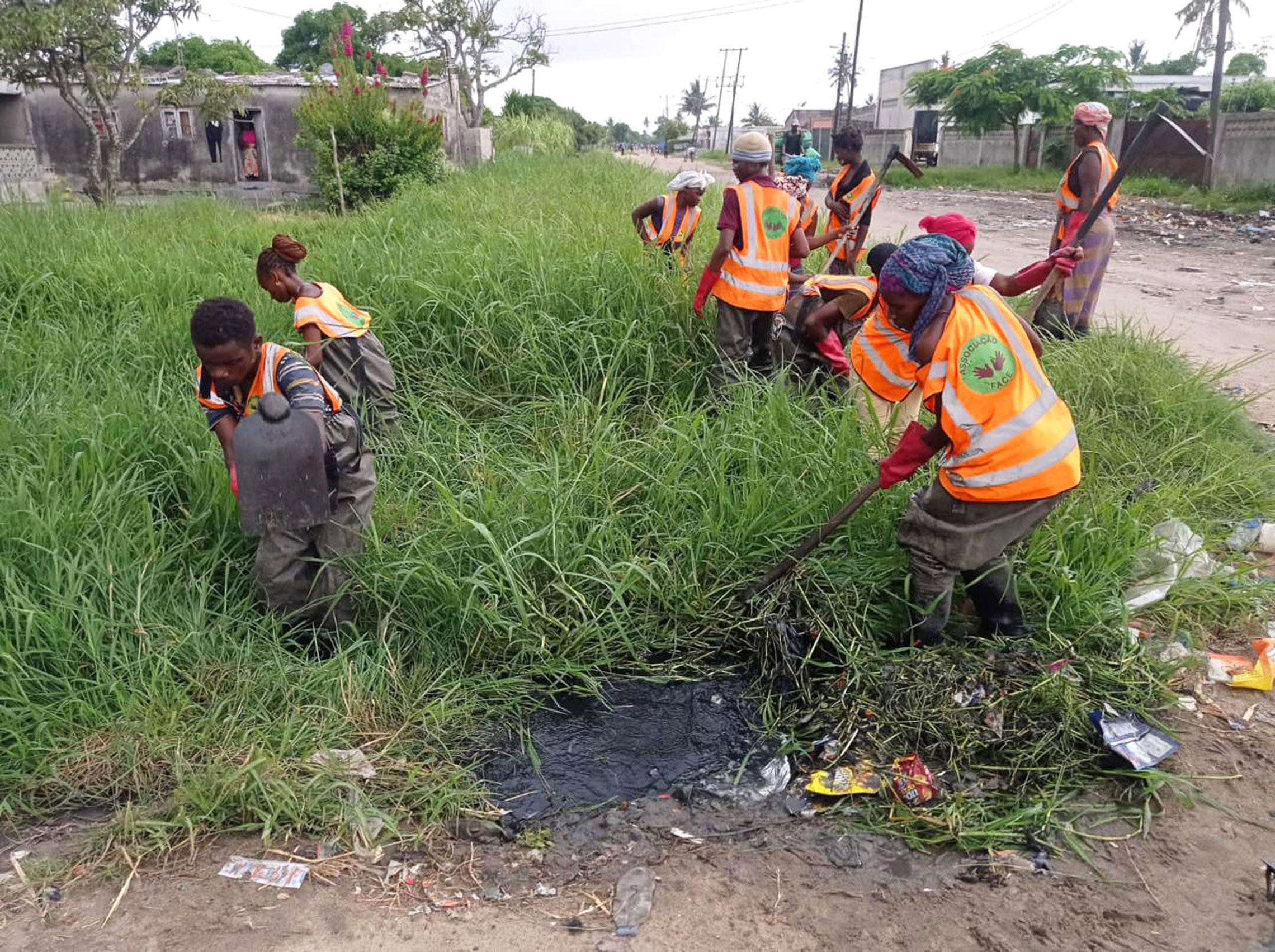
The proper operation and maintenance of drainage systems are essential for managing rainwater and reducing the risk of flooding in urban areas. For this reason, we are supporting the SASB in cleaning and maintaining the drainage canals in the city of Beira, using both mechanical and manual means.
By involving civil society (FACE Association) and residents in the cleaning of canals and the collection of solid waste deposited in the drainage network, the city of Beira is giving its citizens a greater sense of responsibility for the proper functioning of the city's sanitation and drainage systems.
2. Asset management
In the long term, we want to create the conditions that will enable the SASB to operate the sewerage and drainage facilities and infrastructure sustainably. This will ensure that they are maintained and properly used throughout their planned life cycle. To achieve this goal, it is necessary to break the cycle of "build, neglect and repair". We introduced asset management in the SASB to promote the exchange of experience between the Netherlands and Mozambique in the establishment of principles for the management of SASB assets, the inventory of assets and the establishment of a clear vision for the operation and maintenance of assets in the SASB.
3. Financial sustainability
Since its inception, SASB has relied on support from the City of Beira and other programmes to fund its activities. In order to continue to fulfil its mission, SASB needs to become a financially sustainable organisation.
By diversifying its income sources, improving fee collection and improving the planning and budgeting processes, the SASB can ensure a stable future. These are some of the things our partnership is working on.
4. Pilot projects
The municipality of Beira is currently unable to connect all its inhabitants to the sewerage network. To address this problem, SASB has installed a faecal sludge transfer station (ETLF) with the support of another programme. The Blue Deal, along with other partners, is helping to monitor the operation of this ETLF, with the aim of developing an operation and maintenance plan, promoting investment to improve sanitation, and training small private sanitation companies.
We also aim to develop a clear sanitation chain with SASB, promote the construction of a second ETLF, and practically address tertiary drainage issues in Beira city.
5. Land use planning, water management and stakeholder management
Similar to the ARAs, the SASB plays an important role in interacting with land-use planning organisations. Therefore, to reduce the risk of flooding, it is necessary to raise awareness about the orderly occupation of urban space in the city of Beira, to contribute to the development of occupation criteria and to optimise the relationship between stakeholders.
6. Development of Hydrological Models
The impact of extreme storms can be reduced by predicting their occurrence and informing the population and local authorities in time. By involving ARA Centro in this component, we aim to improve rainfall forecasting by developing a simple hydrological model (rainfall/runoff) for the city of Beira.