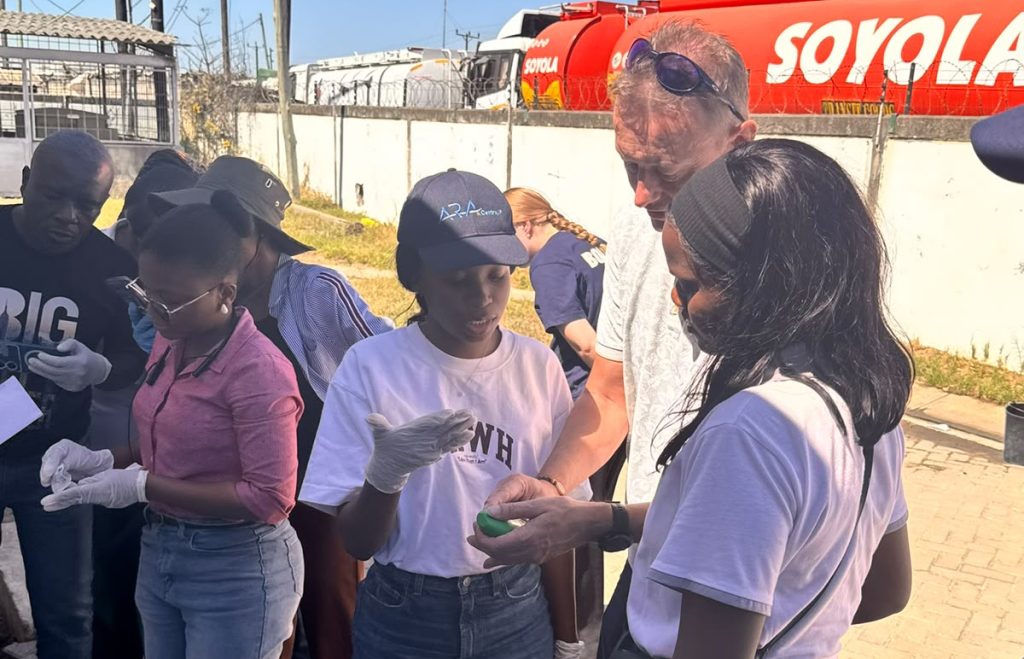
Water quality monitoring in Mozambique usually relies on laboratory analysis, which can delay results and restrict the frequency of sampling. In August 2026, technicians fromARA Centro, ARA Norte , ARA Sul, and DNGRH received training in the use of portable Checkers for measuring phosphate and ammonium in the field.
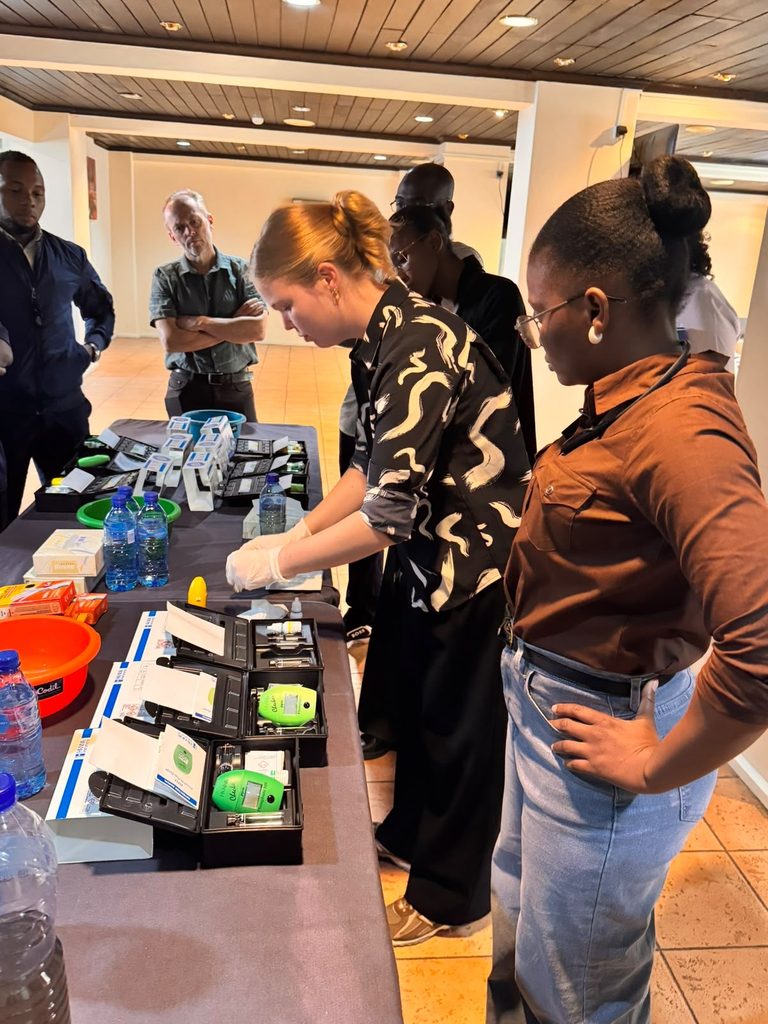
Hands-on training with portable testing kits
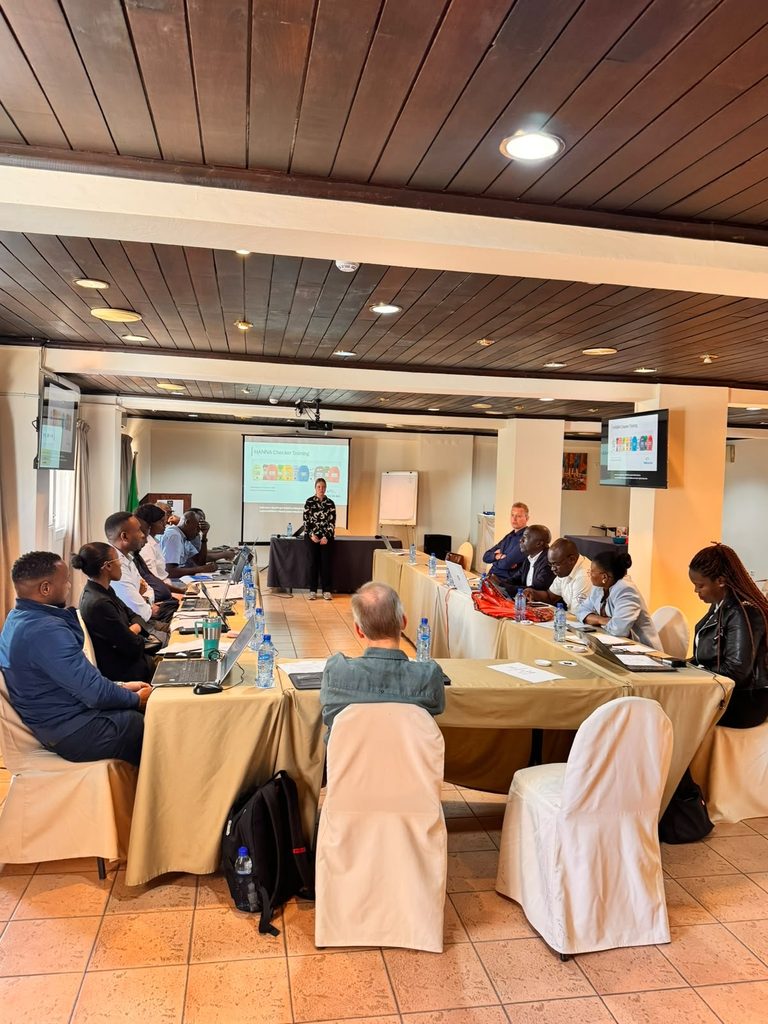
On 20 August, a workshop was held at ARA-Centro in Beira, bringing together laboratory staff from the three ARAs and experts from the Dutch Water Authorities (DWA). The workshop covered how the equipment works and the correct measurement procedure.
ARA-Centro presented its initial field results and experience with the checkers, enabling participants to learn from colleagues who were already using them. In the subsequent practical session, all participants carried out their own measurements.
Sampling, analysis and data entry in real conditions
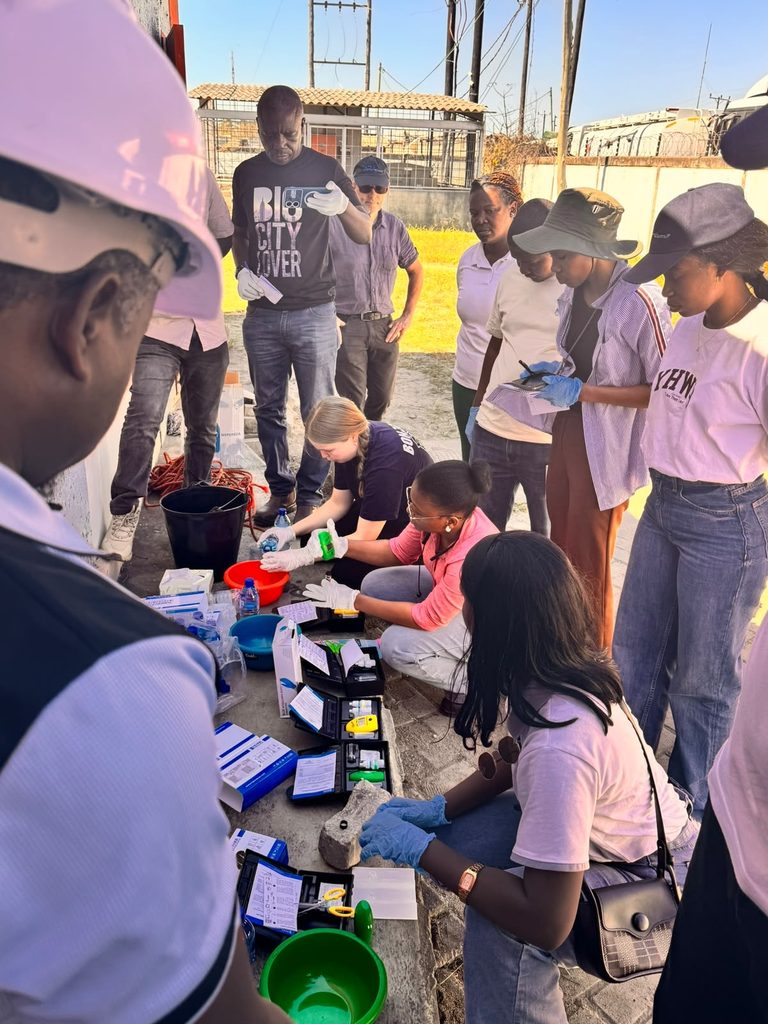
On 21 August, the participants took a water sample from Beira's sewage treatment plant, analysed it using the Checkers, and entered the results into the Deltares water quality app. They performed the entire process, from sampling to analysis and data entry, under real working conditions.
First measurements in the Púnguè River
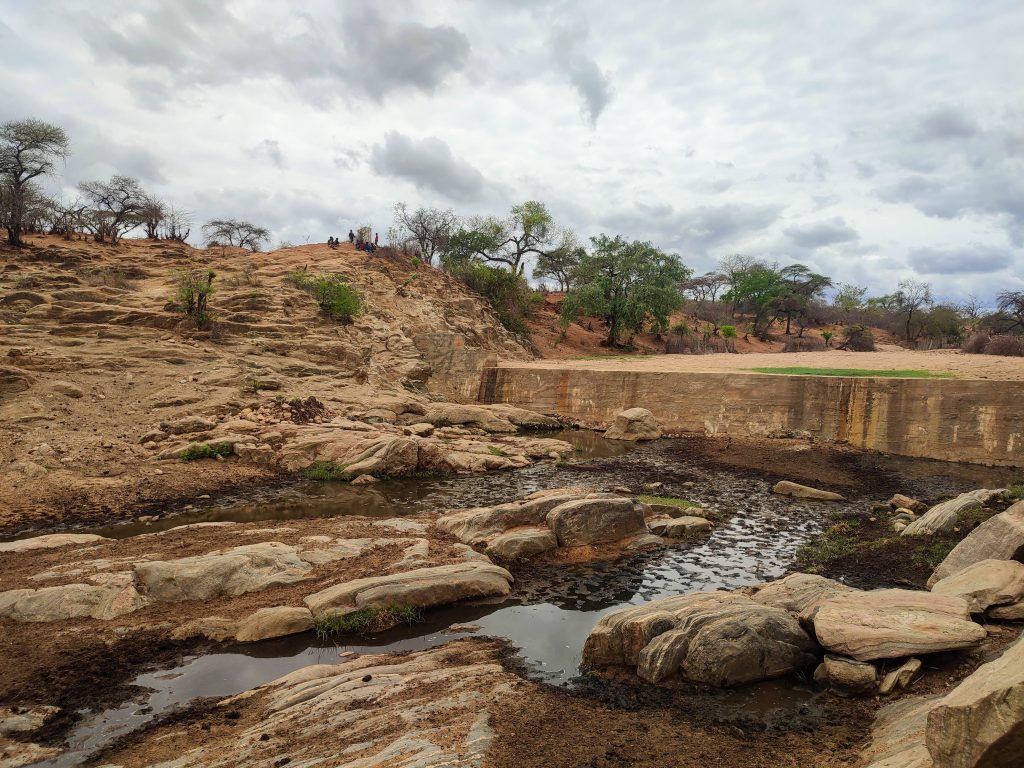
On 22 August, the DWA and ARA Centro teams took samples from two locations on the Púnguè River, upstream of Gorongosa National Park. They used field kits and the Hydrocolor app, which estimates turbidity using a photo taken on a smartphone. Ammonium and phosphate levels were low at both sampling locations. However, at Gorongosa Point, turbidity reached 80 NTU, indicating high levels of suspended sediment, possibly resulting from erosion or mining activities upstream. The water at the second point (Vunduzi) was clear. While one round of sampling only provides an indication, this test shows that low-cost field methods can quickly provide an initial overview of a river. The team recommends adding measurements of pH, conductivity, dissolved oxygen and temperature in future rounds.
Alignment with the national Water Quality Index
To be useful, the field methods need to fit Mozambique's national monitoring framework. The DNGRH's national water quality bulletin uses a Water Quality Index (WQI) based on nine parameters: dissolved oxygen, faecal coliforms, pH, biochemical oxygen demand, temperature, total nitrogen, total phosphorus, turbidity, and total dissolved solids.
In order to incorporate field data into this index, the Dutch Water Authorities will ask Deltares to include these parameters in the app. The team is also considering other kits or apps that could quickly measure these parameters.
Next steps
Following this training, the partnership agreed on a set of follow-up actions. These include managing field equipment more systematically, planning regular sampling with a dedicated budget, and making test kits available to more institutions and divisions.
Support for laboratory development and accreditation will continue, including in the northern region.
In about three months, a digital review will assess how the kits are being used and the information they provide. The aim is to enable more frequent and reliable monitoring of Mozambique's rivers.